


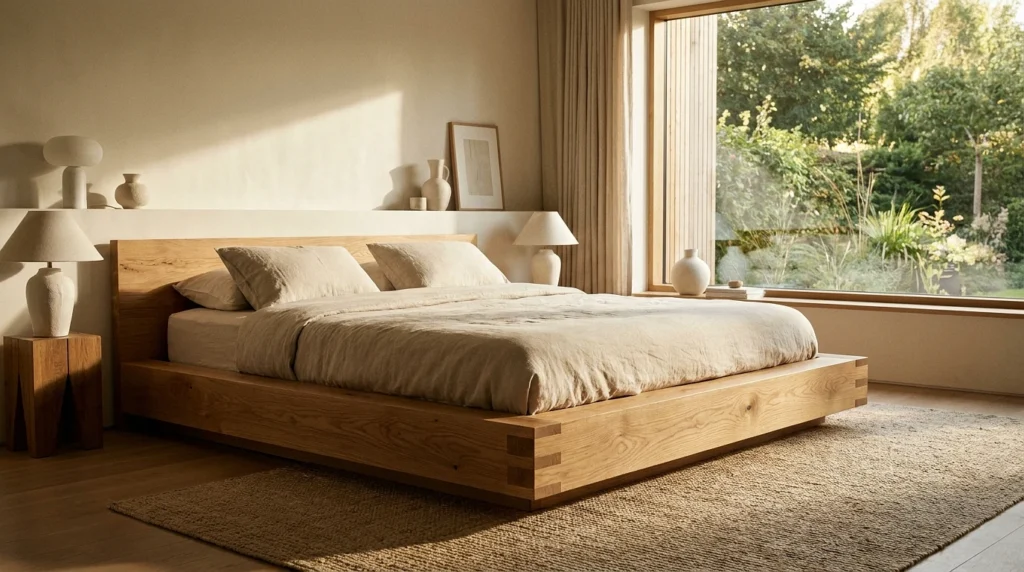
My brother texted me at 2:14 a.m. last winter: “the bed is doing it again.” The it was a squeak, a single rhythmic creak from the corner of a metal frame he’d bought for $79, and by that point in its life the squeak had outlasted two mattresses and one relationship. He wanted a recommendation. What he got, because I don’t know how to do anything casually, was three weeks of me reading spec sheets, owner forums, and teardown reviews, and the list below is what survived.
Two ground rules before the list, because they’re the difference between this and the usual roundup. First, every frame here comes with its one flaw stated up front, the documented complaint that actual owners make, because a recommendation without a flaw is an ad. Second, on weight limits, I only print a number when the manufacturer publishes one. Plenty of brands don’t, and the roundups that assign capacities to those frames anyway are guessing. Where there’s no published number, I say so, and honestly, “ask for the rating in writing before you buy” is better advice than any invented figure. Prices are what I found at this writing; they drift, so treat them as coordinates rather than gospel.
The Whole List at a Glance:
| Frame | Price at this writing | Published weight limit | The one flaw |
|---|---|---|---|
| Zinus Elias Metal | ~$80 to $130 | 700 lb | Looks like a filing cabinet |
| Zinus Upholstered Platform | ~$217 (queen) | Varies by size; check listing | Creak and sag risk after years of heavy use |
| KD Frames Nomad | ~$150 to $250 | Not published; ask | Arrives unfinished; bolts need occasional tightening |
| IKEA Malm | ~$300 (queen) | Not published; ask | Particleboard; struggles with repeated moves |
| Floyd Original | High hundreds; headboard adds ~$400 | Not published; ask | Headboard mounts can slide |
| Thuma Classic | ~$1,000 (queen) | 1,500 lb | Pricey for the materials |
| Joinery alternatives | Hundreds less than Thuma | Varies by brand | Long lead times, QC roulette |
| Heavy-duty steel class | Several hundred | Very high, published per brand | Zero aesthetics |
| Adjustable base | $1,000 and up | Published per model | Incompatible with most innersprings |
| Custom solid wood | Comparable to premium brands | Effectively your house’s | Months of waiting, no modern conveniences |
The Budget Tier: Under $250

1. Zinus Elias Metal Frame
The famous cheap steel one, and the reason it’s famous is that it works. All-steel construction with a published 700-pound capacity, usually somewhere between $80 and $130 depending on size, no box spring needed, assembles in twenty minutes. Forbes’ testing team recommends it to their own relatives, which tells you something. The flaw: it looks exactly like what it is. A utilitarian steel rectangle with all the romance of a filing cabinet. If the frame will be visible, you’ll want a bed skirt or low expectations.
2. Zinus Upholstered Platform (the Shalini type)
The step up: same brand, now with a fabric headboard and wood slats, a queen running about $217 at this writing on Amazon. It’s the default first-apartment bed of an entire generation, and deservedly, because nothing else at the price looks this finished. The flaw: the long-haul creak. Owner consensus on budget Zinus frames is that durability is hit-or-miss under heavier bodies and heavier use, with some units developing squeaks or slow bends over the years. My brother’s 2:14 a.m. soundtrack was this exact failure mode, three years in. Buy it happily; just don’t expect a decade.
3. KD Frames Nomad (Solid Poplar)
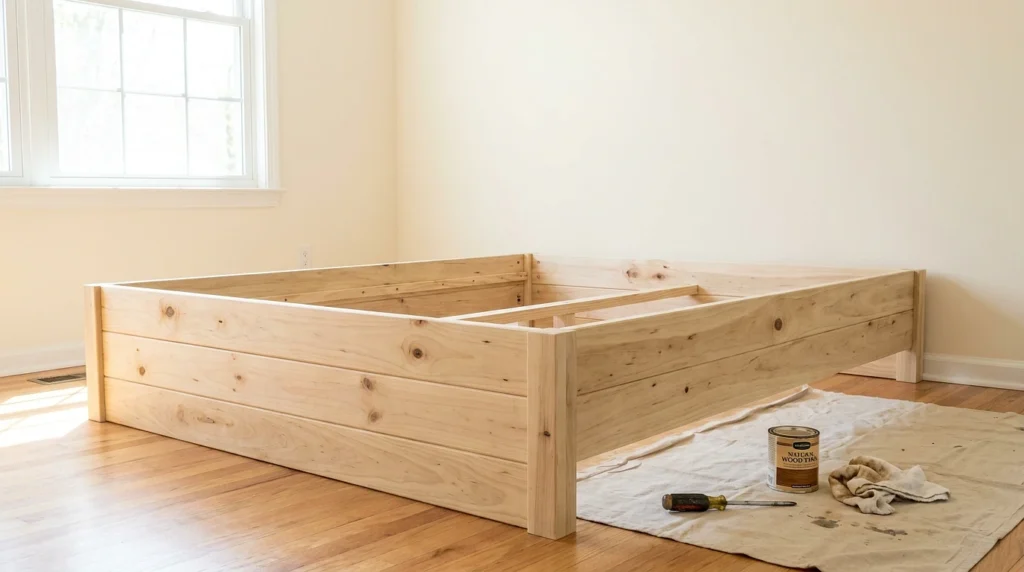
The sleeper pick of the budget tier: actual solid poplar wood, made in the USA, built like a tank per its small but devoted owner base, typically in the $150 to $250 range. Real wood at particleboard prices. The flaw: it arrives naked. The wood comes unfinished, so you’re sanding and staining it yourself or living with raw lumber, and some owners report bolts wanting a re-tighten now and then. It’s a frame for someone with a free Saturday and a screwdriver they know the location of.
4. IKEA Malm
The world’s default bed frame, roughly $300 for a queen, with adjustable base height for different mattress thicknesses and matching everything if you’re a matching-everything person. One home and living editor I read has run hers four years through multiple room redesigns without complaint. The flaw: it’s manufactured wood, and it knows it. Particleboard construction means corners chip during moves and the frame that survives one apartment doesn’t always survive three. The under-bed space also sits low and gathers dust unless you buy IKEA’s own rolling boxes, which is a very IKEA solution to a very IKEA problem.
The Middle: $500 to $1,200
5. Floyd Original
The design-world favorite: birch panels and steel supports, modular so you can expand it from full to king later, praised by actual architects for surviving moves that kill lesser furniture. Expect it in the high hundreds, and note the headboard version costs about $400 more than the frameless one. The flaw, the headboard mounts. The one recurring owner complaint is that headboard mounts can slide out of position, a small thing on a frame this considered, but a real one. If you’re skipping the headboard anyway, the flaw mostly skips you too.
6. Thuma Classic (The Bed)
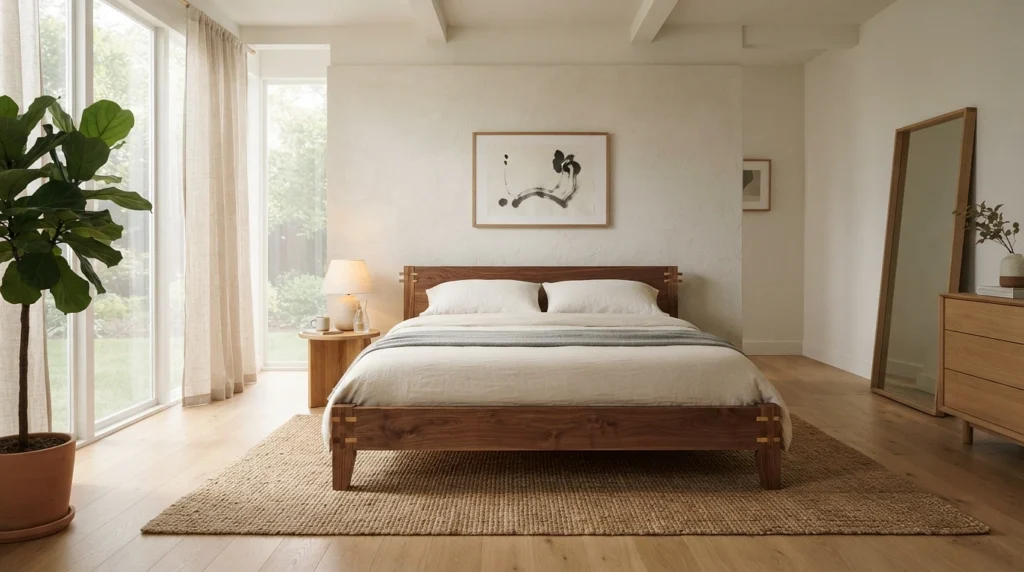
The bed japanese interlocking joinery, no tools, assembles in minutes, dead silent, and it carries a published 1,500-pound weight capacity, double or triple most frames on this list, with around a grand buying a queen and the upholstered Signature version starting at $2,195. Owner sentiment is near-uniform: rock solid, silent for years, ideal for renters who move. The flaw: you can feel the margin. The most consistent criticism from the same happy owners is that it’s very pricey for what is, materially, a simple wood frame. You’re paying for the joinery, the silence, and the brand, in roughly that order. Whether that’s worth it depends on how much you hate squeaks. My brother, scarred, decided it was.
7. The Thuma Alternatives (Japanese-Joinery Clones)
A whole category now exists of frames copying the interlocking-joinery formula for a few hundred less, with more wood and fabric options than the original. Owners who gambled mostly report winning. The flaw the gamble itself. The two recurring complaints across these brands are very long delivery lead times and hit-or-miss quality control, the occasional warped rail or mis-drilled joint that the original brand’s tighter QC would have caught. You’re trading a few hundred dollars for a small chance of a headache. Know your own patience before you take that trade.
The Specialty Picks
8. The Heavy-Duty Steel Class (Big Fig, Knickerbocker Type)
If you or your household are heavier sleepers, or you’ve simply broken frames before, this class exists for you frames built from railroad-grade steel with capacities published well north of anything ordinary frames claim, engineered specifically for bigger bodies and total stability. Expect several hundred dollars. The flaw: they look like infrastructure. These are not decorative objects, and they don’t pretend to be. The buying logic is pure function, and the frames deliver exactly that and nothing else.
9. An Adjustable Base (Nectar Adjustable Comfort Type)
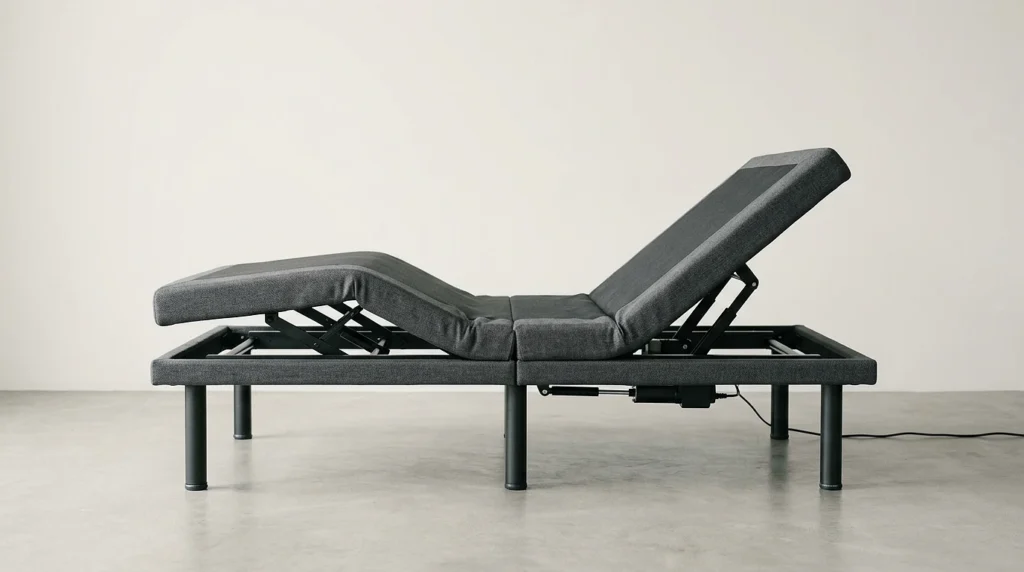
Head-up reading position, legs-up circulation position, anti-snore presets; for some sleepers, especially with reflux or back trouble, an adjustable base changes life more than any mattress. Budget $1,000 and up, watch for the frequent sales in this category. The flaw it’s picky about partners. Adjustable bases pair beautifully with foam and hybrid mattresses and poorly with traditional innersprings, which don’t love being folded, and the base itself is extremely heavy, a two-person, never-again move. Check your mattress’s compatibility before, not after.
10. The Custom Solid-Wood Route (Amish Builders and Local Makers)
The quiet consensus among the buy-it-for-life crowd: for the price of a premium brand-name frame, a local or Amish workshop will build you a solid hardwood bed that your grandchildren will argue over. Weeks or months of lead time, often unfinished or minimally finished wood, and zero of the modern conveniences, no tool-free assembly, no 365-night trial, no customer portal. It’s the best pure furniture on this list and the worst product. Decide which one you’re shopping for.