


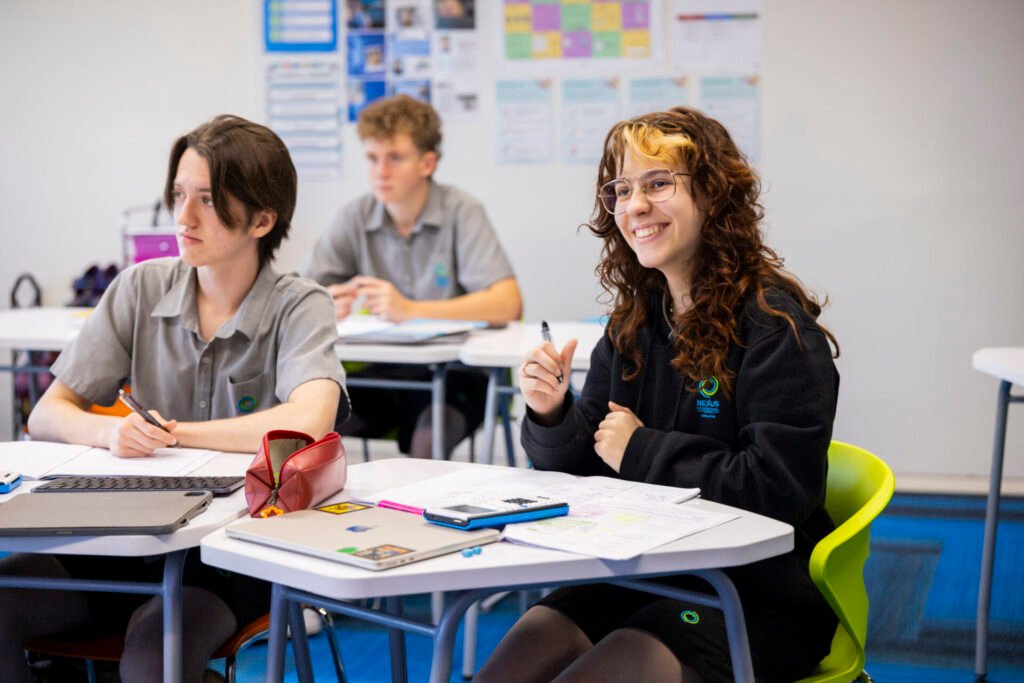
Singapore has long been recognized as a global hub for educational excellence, a reputation built on high standards and a culture that deeply values academic achievement. Within this landscape, the IB Programme in Singapore has carved out a distinctive niche, appealing mainly to expatriate families who seek a curriculum that balances intellectual rigor with personal growth. However, because the city-state’s educational ecosystem is so diverse and varied, selecting the right pathway requires looking beyond mere rankings.
It’s about finding a framework that aligns with a student’s long-term goals and a family’s lifestyle.
For parents standing at this crossroads, the decision often comes down to balancing academic demands with a nurturing environment. To help clarify which direction best serves a student’s unique potential, here are essential factors to weigh as you navigate the IB journey in the Lion City.
Academic Philosophy and Student Fit
Before looking into rankings or facilities, it’s worth understanding what the IB genuinely demands of its students. Unlike curricula that focus heavily on rote memorization or single-subject mastery, the programme is built around inquiry, reflection, communication, and international-mindedness, with the IB Learner Profile guiding much of its philosophy. In practice, students aren’t just expected to absorb information but also encouraged to ask thoughtful questions and connect ideas across disciplines, while considering multiple perspectives.
In Singapore, where academic expectations already run high, the IB adds a layer of breadth.
Students typically take subjects across six groups, which suits learners who enjoy both analytical and creative fields. If your student is equally drawn to physics, literature, and global issues, they may find the programme energizing because it doesn’t force them to narrow their interests too early. But if your child prefers deep focus in a narrower set of subjects, the IB’s balanced structure may feel like a hurdle rather than helpful. That’s why fit matters just as much as school reputation when choosing an IB pathway.
Support for the IB Core (EE, TOK, and CAS)

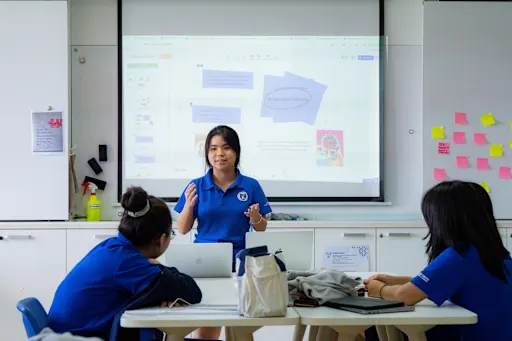
One of the defining features of the IB Programme is its core components: the Extended Essay (EE), Theory of Knowledge (TOK), and Creativity, Activity, Service (CAS). These elements are designed not only to strengthen academic skills but also to encourage personal growth, self-reflection, and a balanced lifestyle.
The Extended Essay develops independent research and writing abilities, while Theory of Knowledge encourages students to question how knowledge is formed and understood. CAS adds another dimension by promoting involvement in creative activities, physical exercise, and community service. Together, these experiences help students build confidence, resilience, and time-management skills.
Because these requirements can be demanding, strong school support is essential. Parents should look for schools that provide academic guidance, mentoring, and wellness resources to help students manage their responsibilities effectively. A supportive environment can make the difference between feeling overwhelmed and enjoying a rewarding educational journey.
School Type: Local vs. International
Singapore offers IB education through both international schools and a smaller number of local, privately operated institutions. While each follows the same IB framework, the overall student experience can differ considerably depending on the type of school.

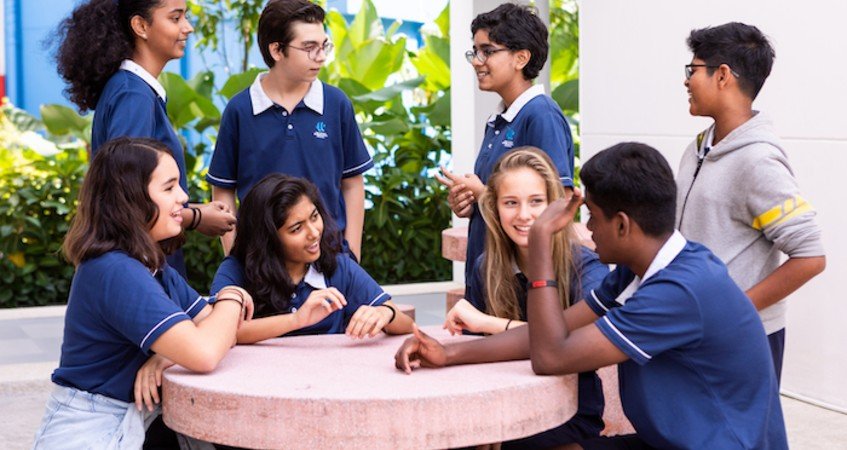
International schools often emphasize diversity, with students from multiple backgrounds, and may provide broader extracurricular opportunities. Local schools, meanwhile, may integrate IB with Singapore’s educational traditions, offering a blend of global and local perspectives. As parents, it’s worth considering the environment in which your child is most likely to thrive. A local school might feel more familiar and grounded, while an international school could expose students to a wider range of cultures and experiences.
However, the distinction isn’t merely cultural but, at times, regulatory. For families with Singapore citizenship, international schools are not a straightforward option, as children of compulsory school age need approval or an exemption from the Ministry of Education (MOE) before they can enroll in a Foreign System School (FSS). This makes the decision more complex than simply comparing campus facilities or curricula, especially for families returning from overseas or considering a switch from the local system.
Geography and Logistics
Location may seem like a practical concern, but it can have a significant impact on a student’s quality of life. Long commutes can reduce valuable time for rest, family interaction, extracurricular activities, and personal interests.

As you compare schools, consider the daily routine your child will experience. Easy access to transportation, manageable travel times, and convenient school services can help reduce unnecessary stress. A balanced student life depends not only on classroom learning but also on having enough time for relaxation, hobbies, exercise, and meaningful family connections.
Choosing a school that supports a healthy daily routine can contribute positively to both academic performance and overall well-being.
University Pathways and Guidance
Many students pursue the IB with an eye on global universities. Strong IB results from Singapore can be well regarded by institutions such as Ivy League schools, Oxbridge, and top-tier Asian or Australian universities. However, the strength of a school’s university counseling department is a critical variable.
Does the school have a track record of sending students to your child’s target country? Some schools may be stronger with UK applications, while others may be more familiar with the US Common App process. Ask about the counselor-to-student ratio as well. In the final two years of the IB, having a counselor who understands your child’s strengths and story can be invaluable when drafting personal statements or navigating scholarship applications.
The decision to pursue the IB programme in Singapore ultimately depends on how well the curriculum aligns with a student’s personality, goals, and preferred learning style. A school may boast impressive facilities and strong results, yet still feel mismatched if the pace or culture doesn’t suit your child. That’s why thoughtful research and honest conversations matter. They help you move beyond assumptions and choose a path that nurtures both academic growth and personal development in meaningful ways.