



Today’s work environment presents a variety of legal issues that can affect both employees and employers. Recognizing these challenges and understanding how to resolve them is essential for maintaining a workplace that is not only compliant but also fair and productive. Employees and managers who are knowledgeable about workplace rights and responsibilities are better equipped to handle disputes and reduce the risk of legal conflicts. Those facing complex workplace issues can benefit from the guidance and support of employment lawyers Denver who specialize in efficiently navigating employment law matters.
Proactive strategies can help prevent legal disputes and establish a work culture of transparency and trust. Employers must continuously review their policies as labor laws and workplace norms evolve, while employees should stay informed about their rights. Addressing legal issues promptly not only protects individuals but also strengthens an organization’s reputation and productivity.
Remaining aware of new developments in employment law is vital for everyone involved. Unaddressed legal problems often escalate, resulting in financial loss, reputational harm, and stressful workplaces. By prioritizing compliance and fairness, both employers and employees contribute to a stable and harmonious organization.
Legal matters can become highly complex and emotionally charged. Maintaining detailed records, seeking professional legal advice, and fostering open communication channels will make it easier to resolve disputes and prevent further complications. For current information on federal and state labor laws, visit resources from the U.S. Department of Labor.
Wage Theft
Wage theft occurs when employers fail to adequately compensate employees. This can involve unpaid overtime, failing to tip, or paying below the minimum wage. It is a widespread issue affecting millions of workers across the country, particularly those on low incomes.

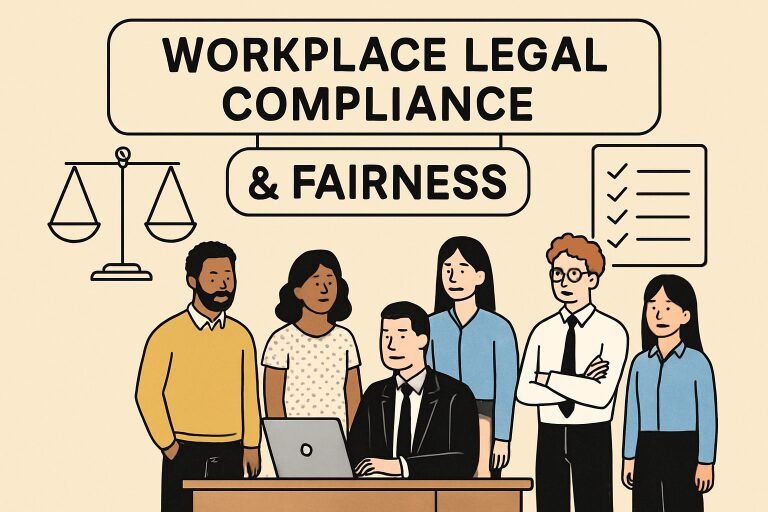
According to the Economic Policy Institute, wage theft results in over $15 billion in lost wages each year.
Workers should accurately track their hours, keep copies of pay stubs, and understand their state’s labor regulations. Suspicious discrepancies should be reported to labor boards or the Department of Labor. When internal complaints do not lead to resolution or when employees face adverse consequences for reporting issues, consulting legal professionals is recommended.
Employee Misclassification
Employee misclassification undermines employees’ rights and can expose businesses to legal penalties. This issue arises when workers who should be classified as employees are instead designated as independent contractors. The misclassified workforce misses out on crucial benefits, including overtime compensation, healthcare, and employment protections.
The IRS and the Department of Labor closely monitor employer compliance, and workers who question their classification should carefully review their work arrangements.
Legal counsel can help clarify a worker’s status and assist with claims seeking owed benefits and protections. For further reading, see the Associated Press coverage on gig worker classification.
Workplace Discrimination

Federal laws such as Title VII of the Civil Rights Act of 1964 make it illegal to discriminate based on race, color, religion, sex, national origin, age, or disability. Yet, many workers continue to experience unfair treatment daily. Documenting incidents and presenting these records to human resources or the Equal Employment Opportunity Commission (EEOC) is vital. Affected employees should also seek out legal support when addressing complicated cases or when a resolution is not reached internally. Ensuring a workplace free of discrimination fosters morale, productivity, and legal compliance.
Retaliation
Retaliation in the workplace takes many forms, such as demotion, job termination, or sustained harassment, often in response to an employee’s participation in a protected activity, such as reporting unlawful behavior or participating in a workplace investigation.
- The law forbids such conduct, and the EEOC offers protection and recourse to employees who are victims.
- Careful documentation of all retaliatory incidents, coupled with expert legal guidance.
- The help workers assert their rights and seek justice if necessary.
Disability Accommodations
Employers are required under the Americans with Disabilities Act (ADA) to provide reasonable accommodations to employees with documented disabilities. This might include altered work schedules, physical modifications, or specialized equipment. Open and transparent communication with employers is necessary, as is a thorough understanding of what constitutes a “reasonable” accommodation under the law. If employers do not cooperate or fail to make required accommodations, employees should consider seeking legal assistance. For best practices on disability accommodations, see SHRM’s ADA accommodation guidance.
Employee Monitoring
Monitoring employees can help businesses improve productivity and enhance security, but it must be balanced against employees’ right to privacy. Employers should establish transparent monitoring policies and clearly communicate them to employees.
- Employers need to define what is being monitored, how data is protected, and for how long it will be retained.
- Monitoring practices must always be consistent with federal and state privacy laws.
- Employees should discuss any concerns with HR before pursuing further options.
Workplace Safety
Providing a safe environment is a core responsibility of every employer. The Occupational Safety and Health Administration (OSHA) sets robust standards that organizations must meet to prevent accidents and health hazards.

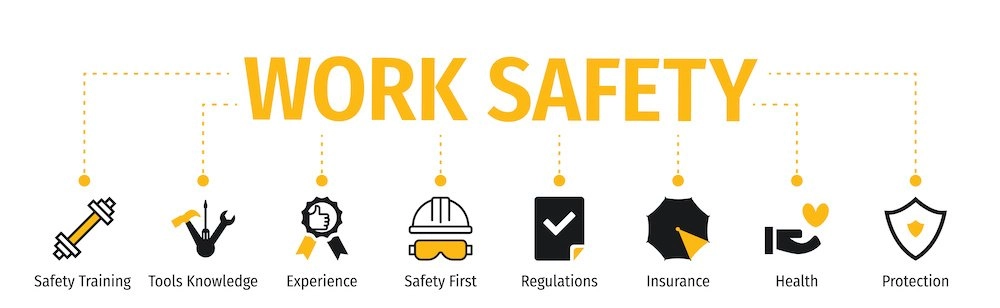
Employers should regularly conduct safety training and periodic hazard assessments. Employees are encouraged to report any conditions that could pose a risk without fear of termination or discrimination.
Regular inspections and ongoing dialogue about workplace safety procedures are practical tools in sustaining a compliant work environment. More safety practices and updates can be found on the OSHA official website.
Conclusion
Employers and employees who understand and address workplace legal challenges promptly can create better, healthier, and more compliant work environments. Staying informed, documenting issues, promoting transparency, and seeking professional legal assistance are the foundations of effective workplace relations and legal compliance. With an ongoing commitment to fairness and proactive management, workplace legal disputes can be minimized, setting the stage for a more productive and harmonious organization.