



Watching someone you care about struggle with addiction is never easy. You want the best for them, but starting a conversation about seeking professional help can feel overwhelming. Approaching the idea of rehab with understanding and patience is key to avoiding defensiveness and opening the door to recovery. For practical strategies on initiating these sensitive discussions, see this resource on how to talk to a loved one about rehab. Building trust and empathy are fundamental steps in supporting your loved one’s journey toward healing.
Reaching out for help can be one of the most challenging decisions your loved one will ever make. Your willingness to be informed and compassionate can make a real difference.
Creating a supportive environment helps reduce the stigma around addiction, easing feelings of shame and isolation so your loved one is more willing to accept help. Understanding what to say, when to say it, and how to stand by their side makes all the difference.
Educate Yourself on Addiction and Recovery

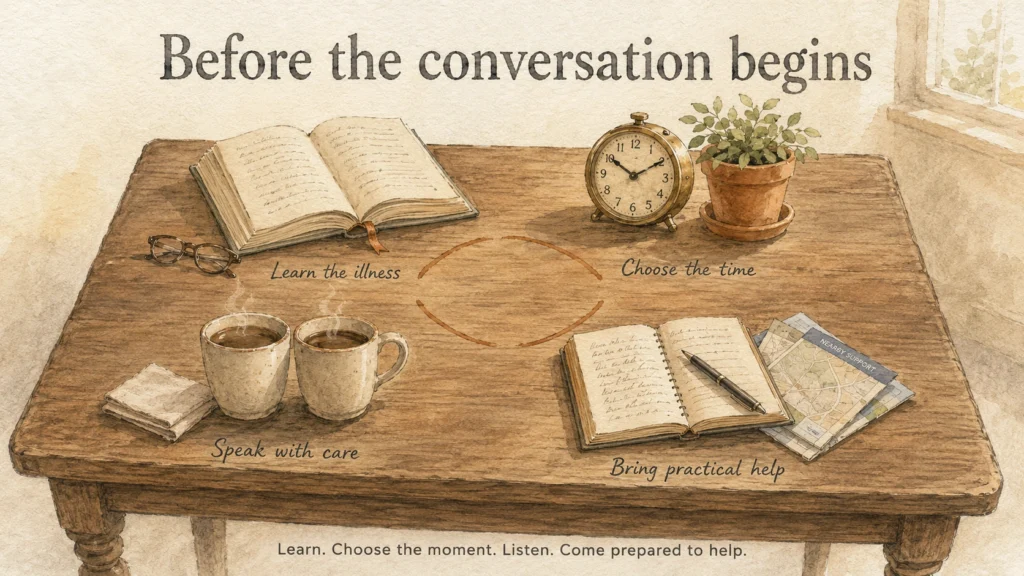
Showing genuine support starts with understanding what your loved one is facing. Addiction affects the brain’s chemistry, making it hard for individuals to stop using substances even if they genuinely want to. Learn about the causes, symptoms, and recovery journey of addiction. Knowledge minimizes misunderstandings and equips you to challenge harmful stereotypes.
Choose the Right Time and Place for Conversation
Selecting the right setting for your conversation shows that you respect your loved one’s privacy and emotions. A quiet, familiar place helps both of you feel at ease. Pick a time when they are sober and not dealing with immediate stress. Avoid discussing rehab during arguments or high-tension moments, as this approach increases the likelihood of defensiveness or outright refusal.
Communicate with Empathy and Compassion
Conversations about addiction should be approached with care. Use “I” statements instead of direct accusations. For example, say, “I’ve noticed some changes that worry me,” rather than, “You are ruining your health.” This approach encourages openness instead of defensiveness. Listen actively and validate their feelings. Let them share their experiences and fears without rushing to fix or judge them.
Offer Practical Support
Offering hands-on help can significantly reduce the fears and uncertainty your loved one may feel about rehab. Volunteer to assist with researching treatment centers, manage appointment logistics, or offer to drive them to meetings. Show that you are committed to walking this path with them, not forcing them to go it alone.
Sometimes, it is helpful to look for resources outside the immediate family, such as support groups dedicated to those affected by a loved one’s addiction. The National Alliance on Mental Illness (NAMI) offers guidance and community for families facing similar challenges.
Set Healthy Boundaries
One of the most difficult parts of loving someone with an addiction is finding the balance between offering support and protecting your own well-being. Boundaries help you avoid enabling destructive behaviors, while also promoting responsibility. Be clear about what behaviors you can and cannot accept. Setting these limits is crucial to supporting their recovery without losing yourself in the process.
Encourage Professional Help
While love and emotional support matter, professional intervention is often necessary to break the cycle of addiction. Encourage your loved one to consult with medical or mental health professionals who specialize in addiction. Highlight that treatment is not a sign of failure, but a step toward a healthier future. Reassure them that seeking help is a sign of courage and hope, not weakness.
Take Care of Yourself
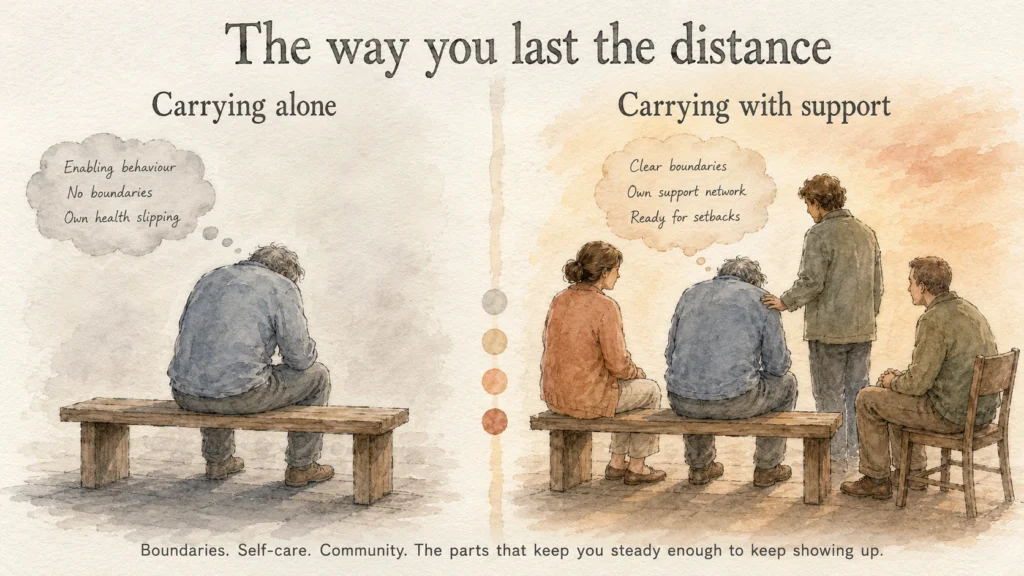
Supporting someone battling addiction can drain your emotional and physical reserves. Remember to nurture your health too. Rely on your own support network, and join family support groups where you can share your experiences and gain understanding. Self-care strengthens you so that you can be a consistent, positive force in your loved one’s recovery journey.
Be Prepared for Relapses
Relapses are common in recovery. Instead of viewing them as failure, see them as moments to recommit to treatment and learning. Offer your support with patience and remind your loved one that setbacks are just part of the long-term process. Having a plan for how to respond if relapse occurs makes the journey less daunting for both of you.
Helping a loved one contemplate rehab takes patience, honesty, and a willingness to learn and grow together. By staying informed, communicating thoughtfully, and prioritizing your own well-being, you play a crucial role in your loved one’s journey toward hope and health. Compassion and courage, yours and theirs, can pave the way for lasting recovery.
Conclusion
Supporting a loved one through addiction is a journey that requires patience, empathy, and steady commitment. By understanding the nature of addiction, communicating with compassion, and encouraging professional help, you create a foundation for meaningful change. At the same time, setting boundaries and practicing self-care ensures your own well-being remains protected. Recovery is rarely linear, and setbacks may occur, but consistent support and informed care can make a lasting difference. With education, empathy, and resilience, families can help open the door to hope, healing, and long-term recovery.