


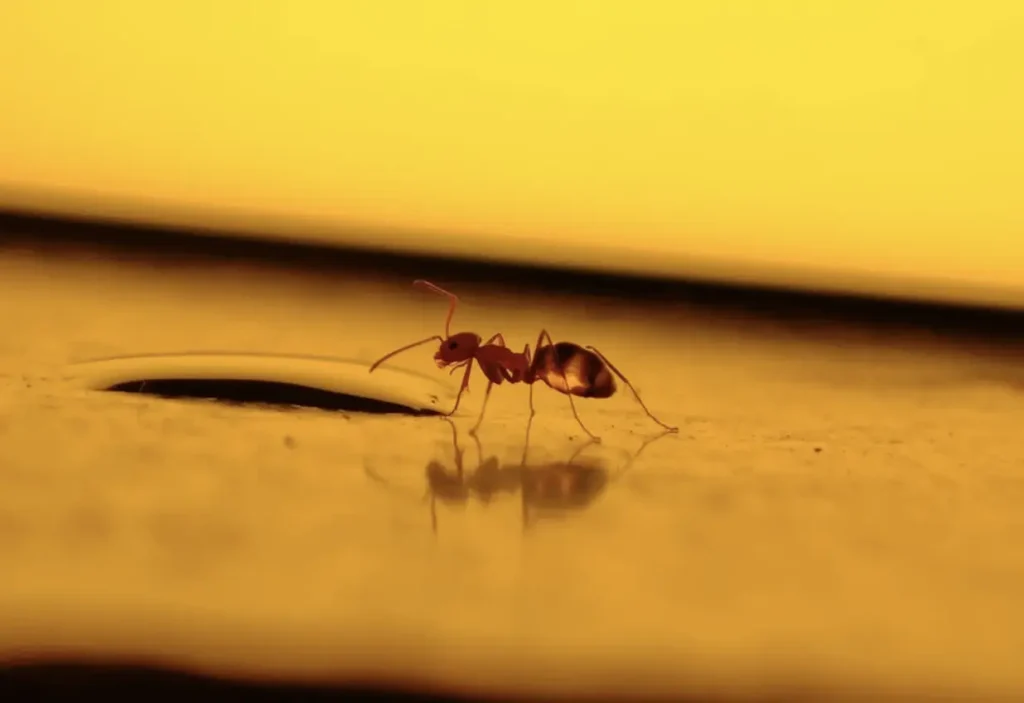
Ants are a common household pest, and once they find their way inside, they can be surprisingly hard to get rid of. What starts as a small trail near your kitchen counter can quickly turn into a full-blown problem if left unchecked. This is especially true in places like Virginia, where seasonal changes and humidity create the perfect conditions for ants to thrive.
Many homeowners notice increased ant activity during warmer months, but the issue doesn’t always disappear when the seasons change. Ants are constantly searching for food, water, and shelter, and your home often provides all three. That’s why simply cleaning up visible ants isn’t enough. You need to understand what’s attracting them in the first place.
The good news is that with the right approach, you can keep ants out for good. It all starts with understanding their behavior and taking the right steps early on.
1. Understanding Why Ants Invade Your Home

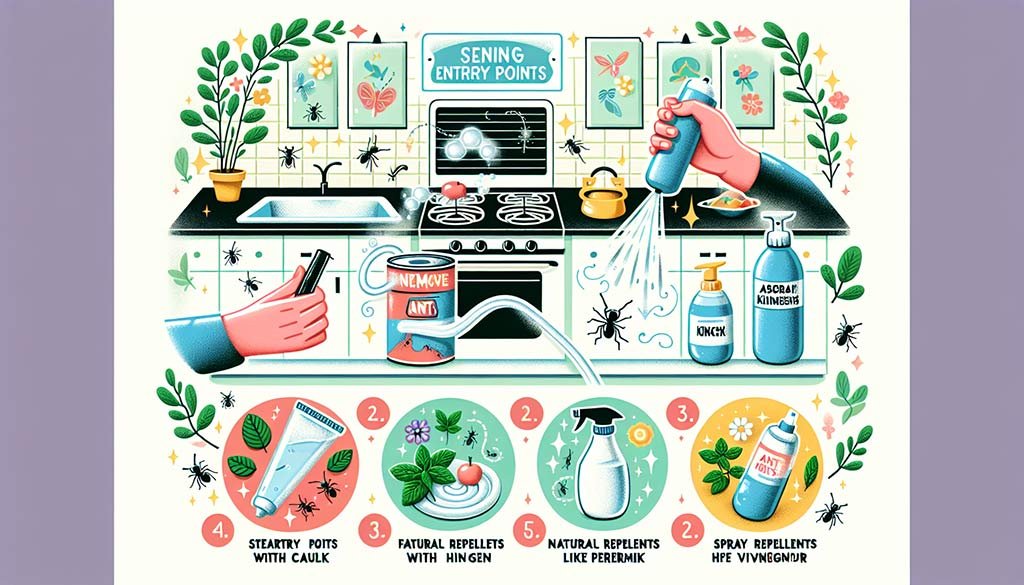
Ants don’t just appear out of nowhere. They are always searching for easy access to food and water, and once they find it, they leave a scent trail for others to follow. That’s why you’ll often see a steady line of ants moving back and forth. They’re working together.
Common attractants include crumbs on the floor, sugary spills, pet food, and even small amounts of moisture. Kitchens and bathrooms are the most common problem areas because they provide everything ants need to survive.
They can enter your home through the tiniest cracks. Gaps around windows, doors, and even utility lines can act as entry points. Once inside, they may build nests in hidden spaces like behind walls or under floors.
In regions where infestations tend to be more persistent, homeowners often rely on professional solutions. So, if you’re looking for ant control in Virginia, there are multiple professionals who focus on identifying the source of the problem and eliminating entire colonies rather than just treating visible ants.
Understanding these behaviors is the first step toward stopping ants before they become a bigger issue.
2. Keep Your Home Clean and Food-Free

One of the simplest and most effective ways to prevent ants is to keep your home clean. Ants are constantly searching for food, so even the smallest crumbs can attract them.
Make it a habit to wipe down countertops and tables daily. Sweep and vacuum floors regularly, especially in areas where food is prepared or eaten. Pay close attention to corners and under appliances where crumbs often collect.
Store food in airtight containers instead of leaving it out in the open. This includes pantry items like sugar, cereal, and snacks. Pet food should also be kept sealed when not in use.
Don’t forget about your trash. Take it out regularly and make sure your bins have tight-fitting lids. Even a small amount of leftover food in the trash can attract ants quickly.
Staying consistent with cleaning may seem simple, but it plays a huge role in keeping ants away.
3. Seal Entry Points Around Your Home
Even a clean home can still have an ant problem if there are easy ways for them to get inside. That’s why sealing entry points is so important.
Start by inspecting your home for cracks and gaps. Check around windows, doors, baseboards, and the foundation. If you find any openings, seal them with caulk or weather stripping.
Don’t forget to check areas where pipes or wires enter your home. These small gaps are often overlooked but can be a common entry point for ants.
Repair any damaged window screens and make sure doors close tightly. Regular maintenance can go a long way in keeping pests out.
Taking the time to seal these entry points helps create a barrier that makes it much harder for ants to get inside.
4. Manage Moisture and Eliminate Water Sources
| Aspect | Details |
|---|
| Purpose | Ants are attracted to moisture as well as food, so controlling water sources helps prevent infestations. |
| Fix Leaks | Repair dripping faucets, pipes, and under-sink leaks to remove damp conditions. |
| Remove Standing Water | Do not leave water in sinks, pet bowls, or plant trays when not in use. |
| Maintain Dry Areas | Keep commonly wet areas clean and dry to discourage ants. |
| Improve Ventilation | Ensure good airflow in kitchens, bathrooms, and laundry areas to reduce moisture buildup. |
| Overall Benefit | Reducing water sources makes your home less attractive to ants. |
5. Use Natural Remedies for Prevention
If you prefer a more natural approach, there are several simple remedies that can help keep ants away.
Vinegar is a popular option. Mixing equal parts vinegar and water and spraying it along entry points can disrupt the scent trails ants use to navigate. Lemon juice works in a similar way and leaves a fresh scent behind.
Other options include baking soda and essential oils like peppermint or tea tree oil. These can act as deterrents when applied in the right places.
While these methods can be helpful for minor issues, they may not be enough for larger infestations. Still, they’re a good addition to your overall prevention strategy.
6. Maintain Your Outdoor Space

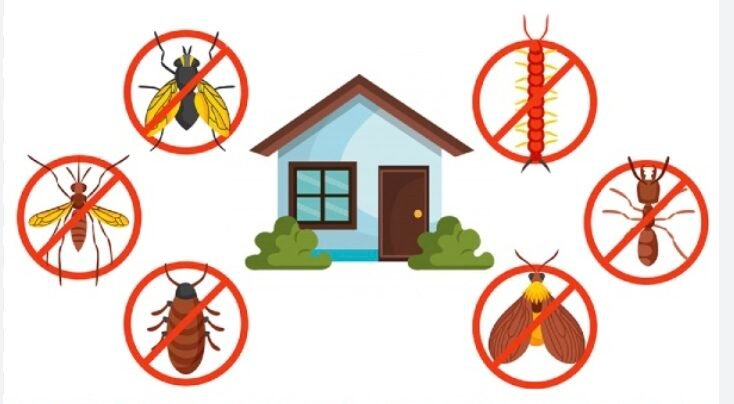
Your yard can play a big role in whether ants make their way inside. Keeping your outdoor space well-maintained can help prevent problems before they start.
Trim bushes and tree branches so they don’t touch your home. Ants can use these as pathways to get inside.
Remove debris like leaves, wood piles, and clutter near your home. These areas can become nesting spots for ants.
Make sure outdoor trash bins are sealed properly and kept away from your house. This reduces the chances of ants being attracted to your property.
A clean and well-kept yard creates fewer opportunities for ants to settle nearby.
Ants may be small, but they can quickly become a big problem if not handled properly. The key to keeping them out of your home is understanding what attracts them and taking steps to remove those factors.
From keeping your home clean to sealing entry points and managing moisture, each step plays a role in prevention. And when the problem becomes too much to handle, professional help can provide a more lasting solution.
With a little effort and consistency, you can create a home that’s far less inviting to ants and enjoy a cleaner, more comfortable living space year-round.