



Family trips sound brilliant in theory until you’re loading snacks, hunting for a lost shoe, and wondering whether everybody will actually enjoy the thing you’ve planned. That’s why the best ideas are often the ones that don’t ask too much of you.
You don’t need every outing to be a big event. A mix of small day trips and easy mini breaks usually works better, especially when you’re trying to make family time feel enjoyable rather than exhausting.
Why a mix of small and bigger trips can work best for families


If every outing has to be memorable, it can start to feel like pressure. Smaller trips take that down a notch. They let you get out, do something different, and still sleep in your own beds.
- Then, when you do plan a mini break, it feels like a treat rather than another operation.
- That balance can be especially helpful for children who like to know what’s coming.
- A familiar rhythm of outings can make new places feel less overwhelming.
Day trip ideas that do not need much planning
The easiest family days out are usually built around one simple idea. A beach walk with chips. A picnic and playground. A country park with a scavenger hunt. A museum with one café stop and no pressure to see every room.
Nature-based outings are especially useful because they leave room for children to move at their own pace. Ideas for family nature activities outdoors can be a good starting point if you want a day out that feels more open-ended and less scheduled.
The trick is not overfilling the day. One destination, one food plan, one flexible idea for what you’ll do when you get there is usually enough.
Mini-break ideas that feel manageable rather than hectic


Mini breaks work best when they don’t feel too different from ordinary life. A one or two-night stay somewhere quiet, with space to walk, eat and wind down, is often a better bet than trying to cram in five attractions and a colour-coded itinerary.
That’s true for all families, and it can matter even more when routine helps children feel secure. The same thinking often comes up in long term fostering, where familiarity, consistency and steady family time can make a real difference over time.
Think cottages, lodges, simple seaside towns, or a short city break with one main plan each day. Places with historic family days out can help too if you want somewhere interesting without making the whole trip feel too full-on.
How repeatable outings help children relax into the day

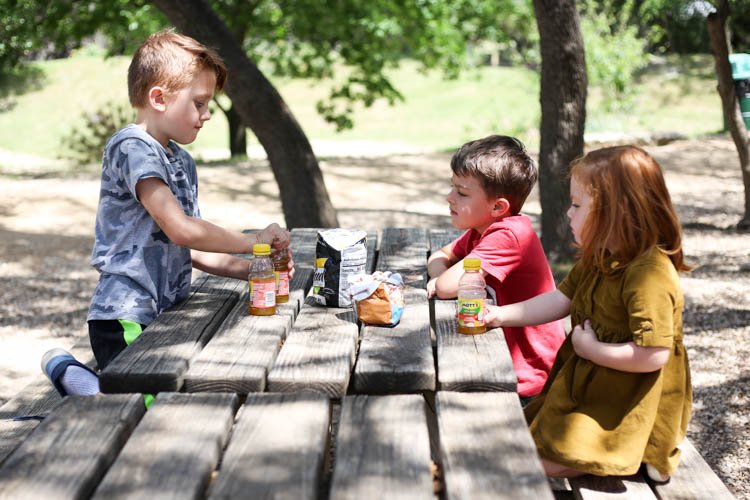
Children often enjoy outings more when they know the shape of them. That doesn’t mean every trip should be the same, but there’s real value in repeatable plans.
Going back to the same farm, woods, beach or café means less time adjusting and more time enjoying. Familiar outings can feel safer, calmer and easier to step into. You might even notice that children relax faster when they know what lunch looks like, where the toilets are, or what happens next.
Planning travel around routine, comfort and familiarity


The best family travel plans usually start with a simple question: what will help this day go smoothly? That might mean leaving early, bringing the same snacks every time, keeping bedtime in mind, or accepting that one great stop is enough.
You don’t need to chase the perfect family trip. You just need ideas you’ll actually want to repeat, because those are often the outings that end up meaning the most.