



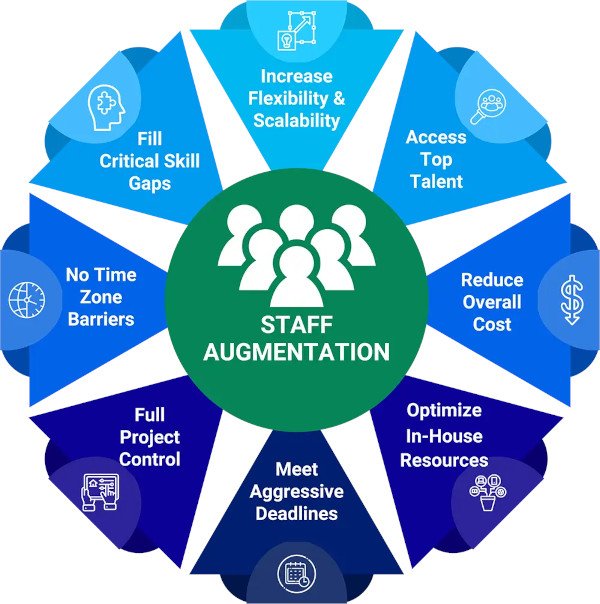
As businesses race to keep up with rapid advances in technology, the landscape of building and scaling tech teams is evolving at an unprecedented pace. Organizations increasingly turn to flexible, efficient hiring models to access high-caliber talent and specialized skill sets. One of the most dynamic solutions, staff augmentation, stands out as a transformative approach that blends internal and external expertise to solve complex business challenges and accelerate innovation.
The future of tech team staffing depends on a deep understanding of emerging trends, including AI-driven hiring, evolving compliance requirements, and the growing influence of hybrid work models. Leaders who anticipate these shifts can build agile and proficient teams ready to deliver exceptional results, no matter how quickly the market evolves.
With the increasing demand for niche skills and the rise of new technologies, companies are forced to rethink their sourcing, training, and retention strategies. The growing reliance on digital infrastructure, heightened cybersecurity needs, and evolving legal frameworks require organizations to be more proactive than ever in their hiring and team-building efforts.
Understanding current trends and anticipating future shifts is crucial for any business seeking sustained competitive advantage in today’s technology-focused landscape. From the integration of artificial intelligence to the rise of immersive collaboration, modern staff augmentation is being shaped by a unique set of pressures and opportunities.
For additional perspective on the evolving workforce landscape, Forbes provides a helpful overview of future trends in workplace culture and technology.

AI-Driven Recruitment
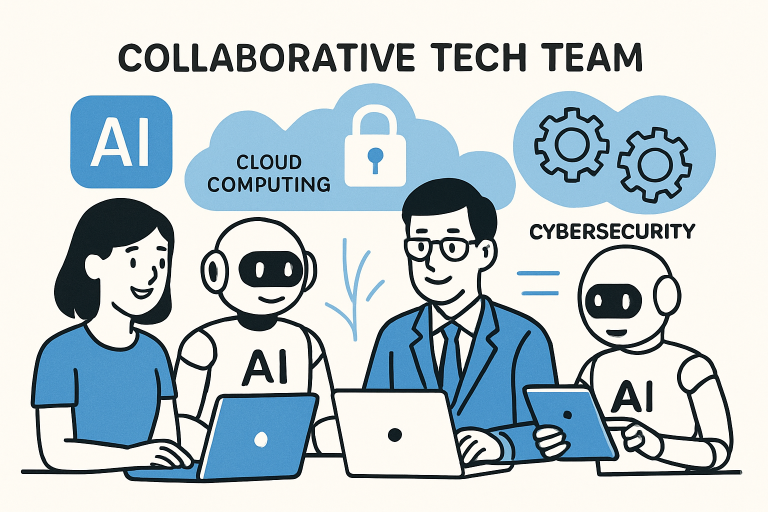
Artificial intelligence is rapidly transforming recruitment practices in tech team staff augmentation. By leveraging advanced algorithms, companies can assess and match candidates with roles that best fit their skills and experiences. This process significantly accelerates hiring, reducing the time it takes to source and onboard talent for specialized positions. Automated tools screen resumes, analyze behavioral data, and even predict candidate success, helping organizations find the right people faster and more accurately than ever before.
Demand for Niche Expertise


The digital transformation underway across industries creates a persistent demand for professionals with deep expertise in fields such as artificial intelligence, cybersecurity, and cloud computing. Staff augmentation firms are now being called upon to provide specialists capable of managing high-stakes projects and unique infrastructure needs. By facilitating short-term or project-based access to rare skill sets, staff augmentation enables companies to innovate and compete effectively despite tight tech labor markets.
Hybrid Human-AI Workflows
The interplay between human creativity and AI-powered efficiency increasingly defines modern tech teams. Hybrid workflows, where artificial intelligence augments human decision-making, enable teams to tackle complex challenges and optimize productivity.
For example, AI-driven project management tools can automate scheduling and resource allocation, freeing up human talent to focus on strategic problem-solving and innovation.
Data Residency Laws

The rise of stricter data-residency and privacy laws worldwide is significantly altering staff augmentation strategies. Businesses must now ensure that all data handling, access, and storage comply with region-specific legislation. As a result, companies increasingly seek out staff augmentation partners that can implement robust compliance frameworks and offer local or regional expertise to navigate evolving regulations without risk.
Ethical AI Implementation
With AI becoming more prominent in hiring and workplace decisions, organizations are doubling down on ethical considerations.
Regulatory mandates such as the EU AI Act are pushing businesses to prioritize transparency, accountability, and bias prevention in AI implementations. By adhering to these frameworks, companies can ensure fair and unbiased decision-making while building trust with both employees and external talent.
Integration of Augmented Reality and Virtual Reality
- Augmented reality (AR) and virtual reality (VR) solutions are revolutionizing how tech teams learn, collaborate, and solve problems together.
- These tools create immersive, interactive environments, ideal for training, onboarding, and remote project collaboration.
- By reducing geographic boundaries and providing realistic simulations, AR and VR foster stronger team connections and improve outcomes, particularly for distributed or global teams.
Focus on Diversity and Inclusion
Research consistently shows that diverse teams perform better, solve problems faster, and drive stronger business results. Companies are increasingly leveraging staff augmentation providers to expand their access to diverse talent pools. This intentional approach enriches team culture, fosters creative problem-solving, and ensures that products and services reflect the needs of a broad customer base.
Upskilling and Continuous Learning


Technology evolves rapidly, making lifelong learning a necessity for anyone in IT. Leading staff augmentation services now offer upskilling programs and ongoing training to ensure their professionals are equipped with current knowledge, tools, and industry-recognized certifications. This commitment not only strengthens the value delivered to clients but also helps recruit and retain top talent in a competitive marketplace.
Conclusion
The future of tech team staff augmentation is defined by agility, compliance, and innovation. As AI continues to shape hiring, new laws dictate how we manage data, and demand for specialized expertise rises, organizations must stay ahead by embracing these trends. Investing in modern staff augmentation models ensures your company can rapidly adapt, scale, and drive success in the dynamic world of technology.