


Homeownership comes with a long list of ongoing expenses, with utility bills often taking a massive bite out of the monthly budget. As energy prices continue to fluctuate across Australia, finding practical ways to make your property more efficient is a top priority for families. Upgrading outdated utilities not only lowers your environmental footprint but also provides a highly noticeable return on investment over time.
Rather than relying solely on small behavioural changes like turning off lights, tackling the core mechanical systems of your house yields the most significant and permanent savings.
When you take a whole-home approach to sustainability, you can simultaneously increase the market value of your property while enjoying lower running costs year after year.
The Heavy Hitter: Rethinking How You Heat Water

One of the most overlooked appliances in the typical home is the hot water system. Many households still rely on older, conventional electric storage tanks that constantly draw power to keep water warm throughout the day and night. The financial impact of these older systems is substantial, especially for larger families who consume significant amounts of hot water for daily showers, laundry, and dishwashing. According to the Australian Government, water heating accounts for 15 to 30 per cent of total household energy use.
Upgrading to a system that operates more intelligently can drastically reduce this load, as modern heat pump alternatives use just a fraction of the energy required by standard conventional electric models.
Transitioning away from traditional resistance heaters to advanced thermal technology is a major step toward a sustainable, eco-friendly home. These modern systems work much like a refrigerator in reverse. They extract ambient warmth from the outside air and use a refrigerant cycle to multiply that heat, transferring it directly into the water tank. To ensure maximum efficiency and a long lifespan for the unit, it is absolutely essential to invest in a professional heat pump hot water installation. Proper setup by qualified tradespeople ensures the unit is optimally positioned to capture ambient air, allowing homeowners to fully capitalise on the technology and avoid unexpected maintenance issues down the line.
Smart Climate Control and Thermal Efficiency

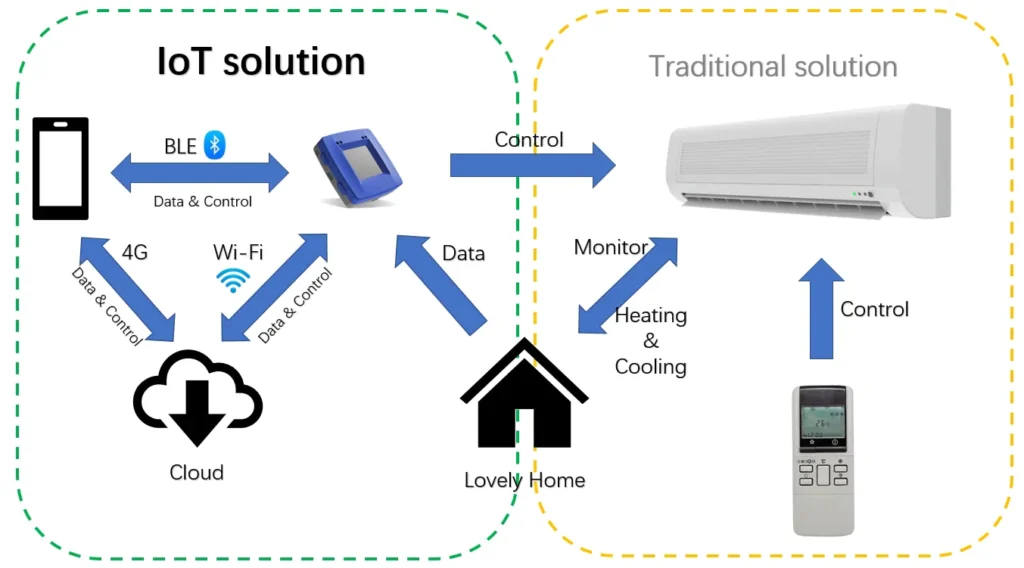
Heating and cooling represent another massive portion of domestic energy consumption. While completely replacing a central air conditioning unit is a major financial investment, several smaller, high-impact upgrades can significantly optimise how your current system performs. Building a thermally efficient envelope around your living space reduces the amount of mechanical heating and cooling required. This means your HVAC system will not have to work nearly as hard to maintain a comfortable indoor temperature.
Consider implementing the following utility and structural upgrades to improve climate control efficiency:
- Smart thermostats: These intelligent devices learn your daily routine and adjust the indoor temperature accordingly. They prevent your system from running unnecessarily when the house is empty.
- Comprehensive draught proofing: Sealing gaps around windows, doors, and skirting boards stops conditioned air from escaping, thereby reducing the workload on your heating and cooling appliances.
- Upgraded ceiling insulation: Adding or topping up roof insulation acts as a vital thermal barrier. It keeps the house cooler in the peak of summer and traps warmth inside during the colder winter months.
- Zoned climate control: Installing active dampers in ducted systems allows you to heat or cool only the specific rooms you are currently using, rather than wasting energy on empty guest bedrooms or hallways.
Water Conservation and Smart Plumbing Upgrades
Beyond heating water efficiently, reducing the overall volume of water your household consumes is an excellent way to shrink utility bills. Older showerheads, taps, and toilets can quietly waste thousands of litres of water every single year. Switching to appliances and plumbing fixtures with a high Water Efficiency Labelling and Standards rating ensures you still get strong, reliable water pressure while using a fraction of the actual volume.
- Simple changes like swapping out a standard showerhead for an aerated, low-flow alternative can save a typical household a considerable amount of water annually.
- When this reduction is paired with a highly efficient heating system, the compound savings on both your water and electricity bills become very apparent.
- Furthermore, investing time to check for silent leaks in toilets and updating older dishwashers to modern eco-friendly models will further streamline your household utility consumption.
Some homeowners are even taking the next step by installing rainwater harvesting tanks and greywater recycling systems. These setups can supply your gardens, flush toilets, and run laundry rooms, completely bypassing the municipal water supply for these heavy-use tasks.
Building a Better Home for the Future

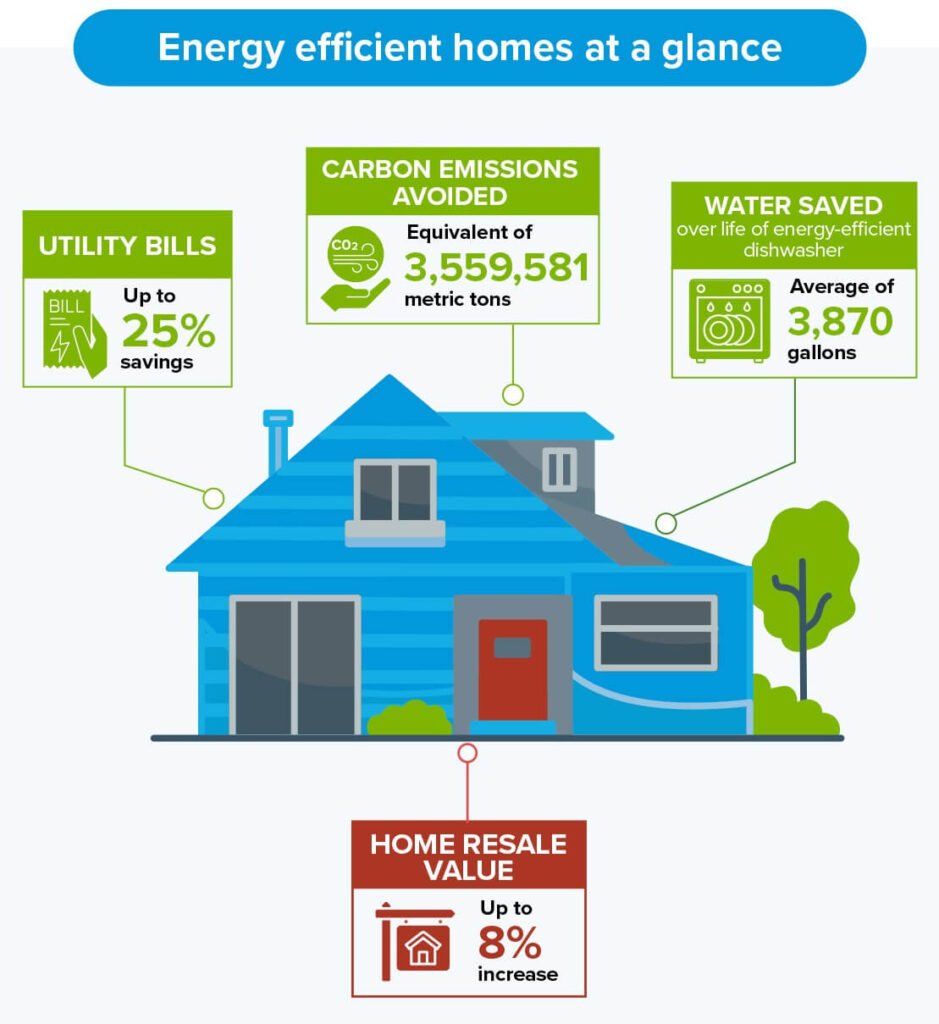
Creating a more sustainable and economically efficient home does not mean you have to sacrifice daily comfort. By specifically targeting the core systems that draw the most power and water, you can make a meaningful difference in your monthly outgoing expenses. Taking a proactive approach to your home utilities future-proofs your property against rising costs, actively supports the environment, and keeps more money in your pocket over the long term. Start with the upgrades that offer the greatest return on investment, and gradually work your way toward a fully optimised household.