


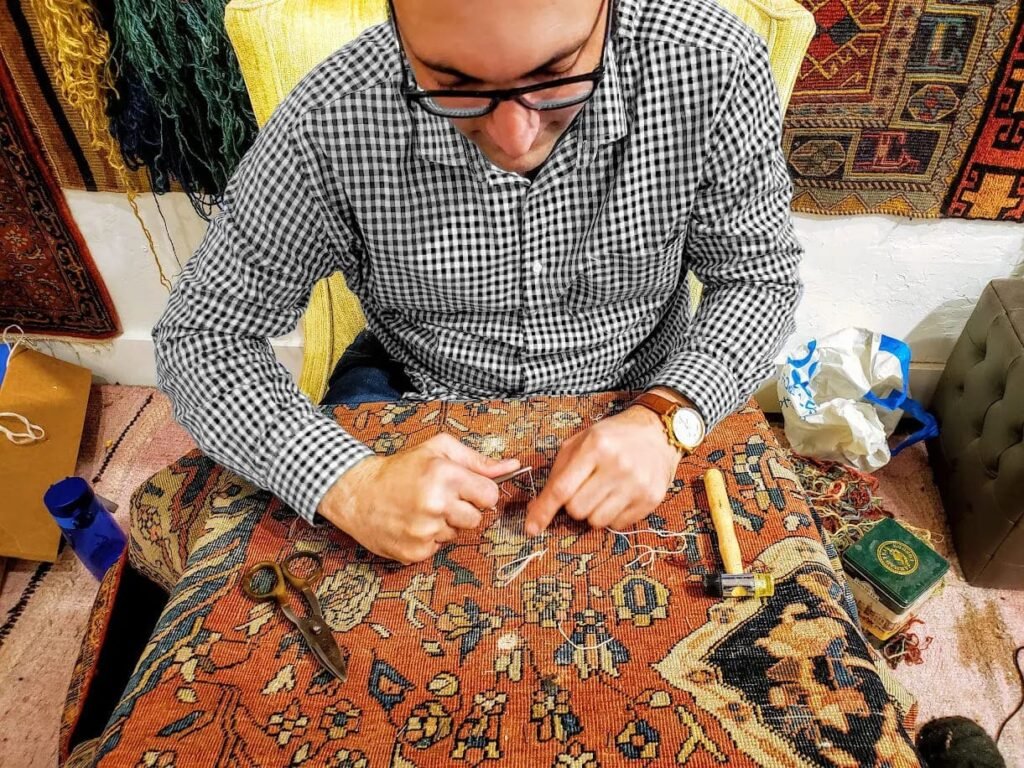
The craft of rug restoration is deeply intertwined with history and culture. From the opulent weaving workshops of Persia to the artisanal family businesses of Anatolia, the art of restoration has always been about preserving and enhancing beauty. Today’s advances build on this legacy by offering more refined, scientifically informed processes for caring for these treasures. Whether the need is to repair large holes or subtle color fading, knowing when to seek a specialist can make all the difference in outcomes and long-term preservation. Additionally, proactively protecting textiles using a rug stain protector can extend the life and vibrance of fine rugs, adding an extra layer of defense between your investment and daily hazards.
Throughout history, the primary objective has been to maintain not only the rug’s physical condition but also its original essence. The evolution from textile artistry to scientific restoration highlights a fascinating journey that weaves together tradition and innovation.
Restoration was once primarily a matter of necessity, reconstructing damaged family heirlooms or ceremonial pieces. Today, restoration is equally about preserving cultural heritage, especially as rugs represent centuries-old traditions and distinct artistic expressions recognized worldwide.
As knowledge about antique and fine rug fibers expands, restoration professionals incorporate both the wisdom of the past and the innovations of the present, ensuring irreplaceable pieces are treated with precision and care.
Deep understanding of weaving styles, knotting techniques, and natural dyes is indispensable. These skills are taught through intensive training, apprenticeships, or often inherited as family secrets, reflecting the cultural specificity of each rug.

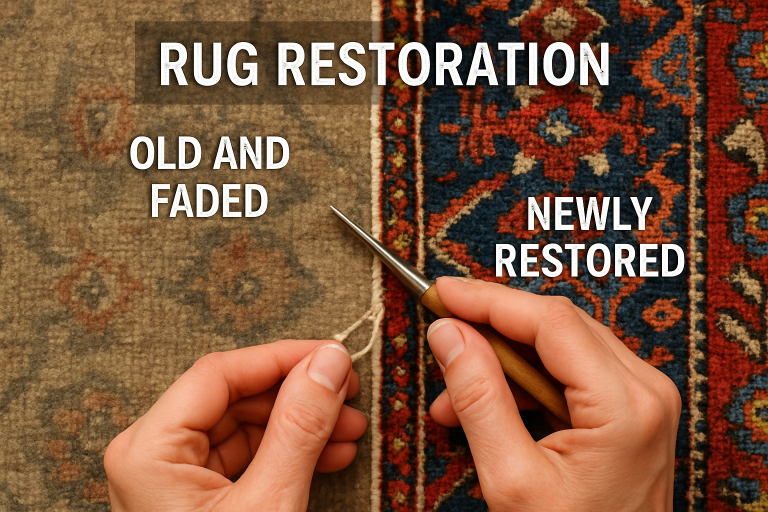
Modern Innovations in Rug Restoration
As science and technology have advanced, rug restoration has embraced new tools that complement traditional methods. Modern processes allow for a level of accuracy and fiber preservation not possible in the past. Noteworthy advancements include:
- Low-Impact Submersion Cleaning: Special cleaning baths designed for delicate antique and hand-knotted rugs help remove embedded dirt without causing fiber damage.
- Controlled Drying Chambers: Restorers use precision climate zones for drying, preventing warping or shrinkage that conventional air-drying can cause.
- Fabric Scanning Software: High-resolution scanners analyze fiber density and structure, and even pinpoint areas at heightened risk of further wear, enabling customized restoration strategies.
Industry leaders have integrated these tools and approaches to raise the standard of care for fine and antique rugs. The result is a greater guarantee that restored rugs retain their value and authenticity. A comprehensive review of the impact of modern technologies on traditional industries is available through major business outlets.
Combining Old and New: A Holistic Approach

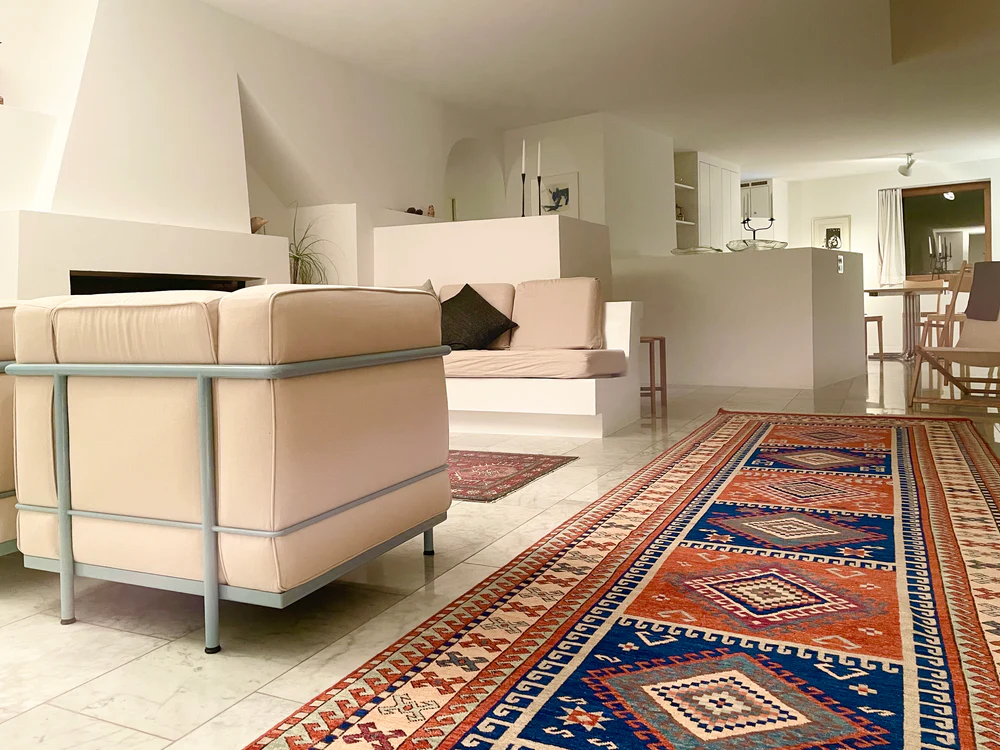
The best contemporary rug restorations result from a careful blend of time-honored techniques and new technologies. By merging historical craftsmanship with advances in digital and material sciences, professionals ensure each project receives both reverence for tradition and the benefits of updated care protocols. This approach is widely considered essential for both correct restoration and long-term conservation.
Recognizing When Restoration Is Needed
Spotting early warning signs of deterioration is crucial for timely and effective restoration. Indicators include frayed edges, thin or missing knots, obvious holes or tears, areas of concentrated fading, water stains, and lingering odors indicative of mildew or past moisture exposure.
Addressing these issues at the outset increases the likelihood of a successful restoration and can substantially reduce overall repair costs.
The Importance of Professional Expertise
Handling fine rugs requires a specialized knowledge of fibers, dyes, and traditional design. Trusting your piece to experienced restorers ensures the use of vetted techniques, whether applying traditional hand reweaving or advanced digital diagnostics.
Professionals can properly assess structural stability, match original motifs, and recommend the right cleaning and protection protocols for ongoing care.
Preserving Cultural Heritage Through Restoration
Rugs are more than mere floor coverings they are bearers of history, culture, and generational legacy. Each restoration not only renews visual beauty but also protects the history and meanings woven into the pile and patterns. Thanks to skilled restorers and a balanced approach to tradition and technology, these masterpieces can be shared, appreciated, and studied by future generations.
Conclusion
The journey of fine rug restoration is a testament to the adaptability and enduring relevance of a centuries-old tradition. Embracing both traditional artistry and innovative methods, restorers ensure these valuable textiles continue to enrich our homes and cultural spaces for many years to come.