


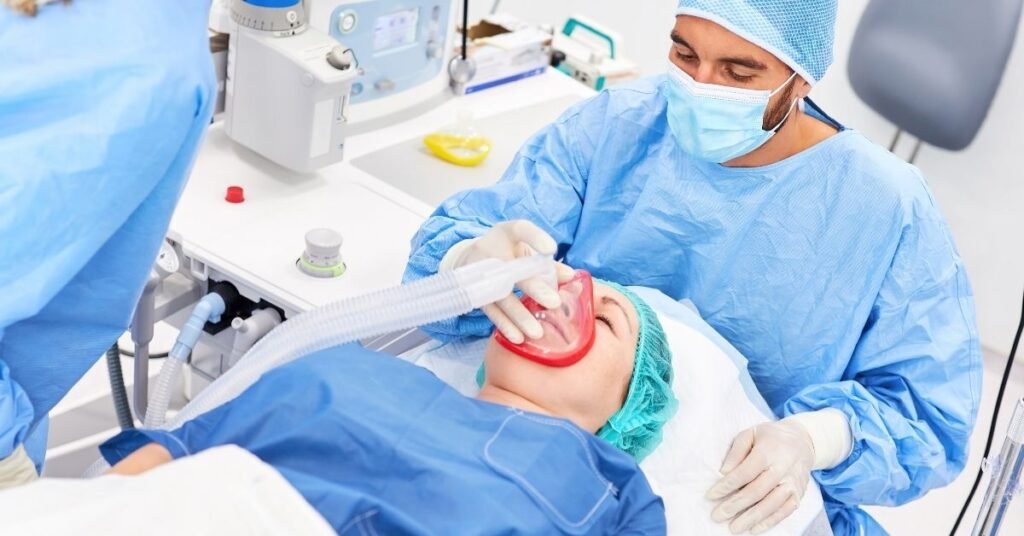
Dental anxiety deters millions from getting the care they need, contributing to declining oral health and more serious future issues. Overcoming this anxiety is now easier thanks to innovations in sedation dentistry, which provide tailored solutions for even the most apprehensive patients. By making dental procedures more comfortable and less frightening, these advances have widened access to essential oral healthcare.
People who struggle with dental phobia or fear may postpone visits for years, risking severe tooth decay, gum disease, and even negative impacts on overall wellness. Modern sedation techniques not only foster relaxation during procedures but also rebuild patient trust and break the cycle of avoidance. As a result, more patients can maintain routine checkups without dread or discomfort. Even for those who experience only mild stress at the dentist, having effective sedation options increases the likelihood of following treatment recommendations. It reduces pain and distress, supports a calm environment, and helps patients feel respected and understood by their providers. This patient-centered approach is reshaping dental care for the better. Dental teams now routinely consider a person’s anxiety levels and health profile to recommend the most suitable sedation method, ensuring that individual needs are always prioritized. Rather than a one-size-fits-all solution, today’s practices emphasize adaptation and flexibility, matching therapies to each patient’s comfort level and medical background.
Understanding Dental Anxiety

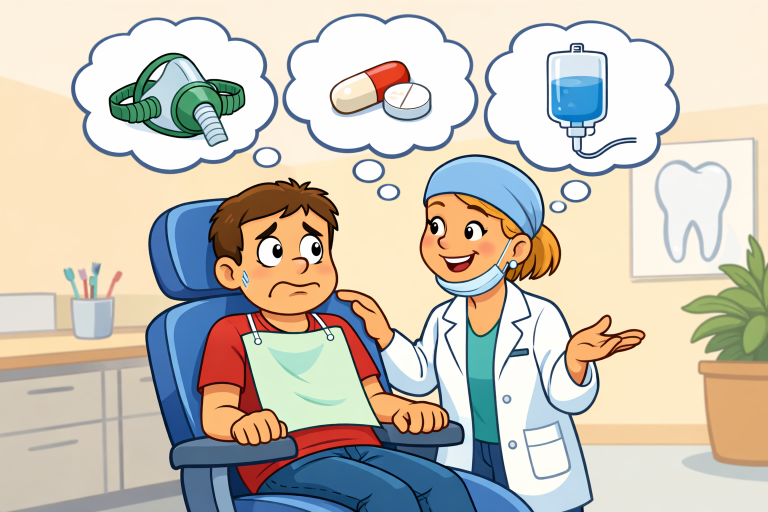
Statistics show that dental anxiety affects approximately 36 percent of adults, with around 12 percent dealing with severe dental phobia that leads to the outright avoidance of all dental care, according to research published by the National Institutes of Health. The consequences of skipping routine visits range from cavities and infections to costly emergency interventions. This is especially concerning because oral health is closely linked to systemic health, underscoring the importance of prevention and early intervention.
Advancements in Sedation Techniques
To make dental care more manageable for those with anxiety, significant strides have been made in sedation options. The most commonly available sedation methods include:
- Nitrous Oxide (Laughing Gas): Administered via a comfortable mask, nitrous oxide relaxes patients quickly without putting them to sleep. After the procedure, the effects dissipate rapidly, allowing for a fast return to daily tasks.
- Oral Sedation: Taken as a pill before the procedure, oral sedatives relieve anxiety, causing mild to moderate drowsiness. Because this approach can impair reflexes and alertness, patients need to arrange for assistance at home after their visit.
- IV Sedation: Delivered intravenously, IV sedation provides a deeper level of relaxation. While patients remain conscious and able to respond to instructions, they often remember very little of the procedure. Monitoring is rigorous to ensure safety, and post-procedure supervision is required.
The evolution of these options reflects a growing trend in dentistry to acknowledge and address emotional, not just physical, needs. With greater comfort and control, patients who once feared the dentist now have greater confidence and better oral health.
ADA’s Updated Sedation Guidelines

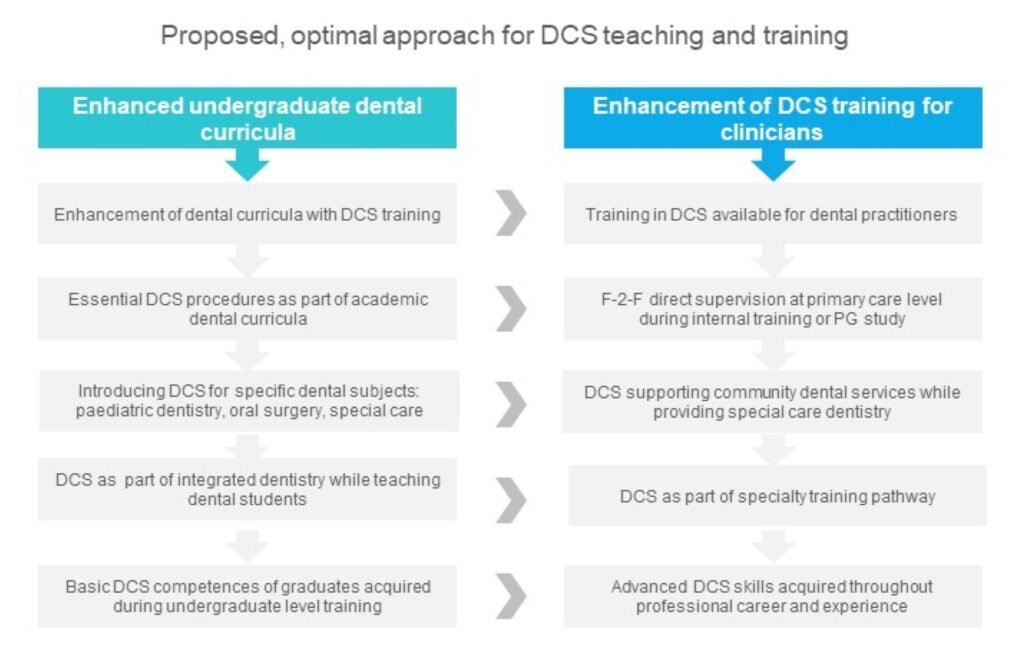
Recognizing the importance of responsible sedation, the American Dental Association issued new and comprehensive guidelines in April 2026. This marked the first major overhaul in almost ten years and set new standards for safe, effective care. The revised guidelines focus on:
- Integrating updated fasting guidelines and body mass index (BMI) assessments before sedation.
- Mandating supplemental oxygen for moderate to deep sedation levels, which further safeguards patient wellbeing.
- Requiring enhanced training and emergency preparedness measures for the entire dental team.
By standardizing protocols and encouraging ongoing education, the ADA seeks to ensure that every patient receives safe, evidence-based care regardless of where they are treated. More details on these guidelines are available through the ADA News site.
Patient-Centered Care and Comfort

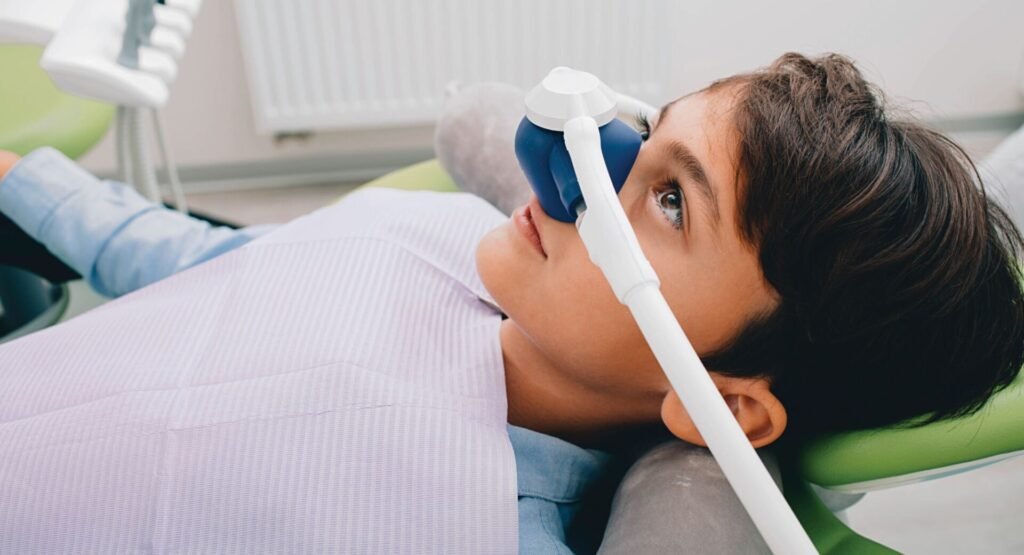
As dental offices increasingly embrace patient comfort, practices like South Florida Sedation Dentistry are setting new standards for a supportive, anxiety-free environment. Comprehensive sedation services, combined with calm surroundings and compassionate communication, make it easier for nervous patients to keep appointments and receive proper care. Clinics focused on patient comfort are proving that a gentle, empathetic approach leads to better outcomes and lasting patient relationships.
Safety Considerations
While the benefits of sedation dentistry are clear, patient safety is always the priority. Providers are required to conduct detailed health assessments and closely follow updated protocols to anticipate and prevent complications. From monitoring vital signs to keeping emergency equipment on hand, strict adherence to safety standards ensures a positive, secure experience. Reputable dental offices are also transparent about the risks and responsibilities associated with sedation, empowering patients to make informed choices about their care.