



For many business professionals, financial stability used to feel like a given. A steady paycheck, predictable bonuses, and clear career paths made long-term planning feel almost automatic. That sense of certainty has weakened in recent years. Layoffs now affect even high-performing teams. Industries once seen as safe face sudden slowdowns. At the same time, everyday costs keep rising, which puts pressure on an income that once felt more than enough. These shifts leave professionals asking new questions. Is my income really secure? Am I prepared if things change quickly? Economic uncertainty does not just create worry. It pushes people to look closely at how they handle money.
For many professionals, this moment becomes a turning point where smarter financial habits start to replace old assumptions.
Why Uncertainty Feels Different for Professionals


Economic uncertainty hits business professionals in a specific way. Many have structured their lives around stable careers and long-term plans. Mortgages, education costs, family responsibilities, and lifestyle choices depend on steady income. When uncertainty appears, the risk feels higher because the commitments are larger. Unlike early career stages, there is less room for trial and error. This pressure often leads to a more serious approach to money and highlights the real reasons for an emergency fund, especially when income stability can no longer be taken for granted. Professionals begin to see that a good salary alone does not equal security. What matters more is how well income supports flexibility during change.
From Chasing Growth to Protecting Stability
During stable periods, professionals often focus on earning more. Promotions, bonuses, and business expansion take center stage. Uncertainty shifts that focus. People start paying closer attention to how money moves in and out each month. They begin to value predictability and control. This does not mean giving up ambition. It means understanding that unmanaged growth can increase stress. Smarter habits help protect progress already made.
Professionals learn that keeping finances organized creates a buffer that income growth alone cannot provide.
Spending Awareness Without Extreme Cutbacks
One of the first changes many professionals make is reviewing spending. This does not usually involve drastic cuts. Instead, it involves awareness. Subscriptions, convenience services, and impulse purchases often add up quietly. When uncertainty rises, people start asking whether these costs truly add value.
Small adjustments can free up cash without affecting quality of life. This approach feels practical rather than restrictive. It allows professionals to stay comfortable while improving financial balance.
Budgeting That Fits Real Work Lives
Traditional budgeting methods often fail because they demand too much time and detail. Busy professionals need simpler systems. Economic uncertainty encourages the use of realistic budgets that focus on major categories instead of tracking every expense. Automation plays a big role here. Setting limits, reviewing accounts monthly, and adjusting as needed helps people stay informed without feeling overwhelmed. The goal is clarity, not perfection. A simple budget gives professionals a clear view of their financial position, which reduces stress during uncertain times.
Debt Choices Become More Intentional
Economic uncertainty changes how professionals think about debt. Loans that once felt manageable start to feel restrictive when income feels less predictable. Many professionals begin reviewing interest rates, repayment terms, and outstanding balances. Credit card debt often becomes a top concern because high interest rates reduce financial flexibility. Instead of taking on new debt, people focus on reducing what they already owe. This shift is not about fear. It is about control. Lower debt means fewer fixed payments and more room to adjust if income changes. Thoughtful debt decisions create breathing space during uncertain periods.
Investing With a Calmer, Long-Term View
Uncertain markets test emotional discipline. Professionals who once chased quick gains often move toward steadier investing habits. They pay more attention to long-term goals and risk tolerance. Instead of reacting to daily headlines, they focus on consistency.


This may include regular contributions, diversified holdings, and fewer impulsive changes. The goal becomes stability rather than fast growth. This approach reduces stress and helps investors avoid decisions driven by fear or hype. Over time, a calm strategy supports better outcomes than frequent, reaction-based moves.
Exploring Extra Income Without Overcommitment

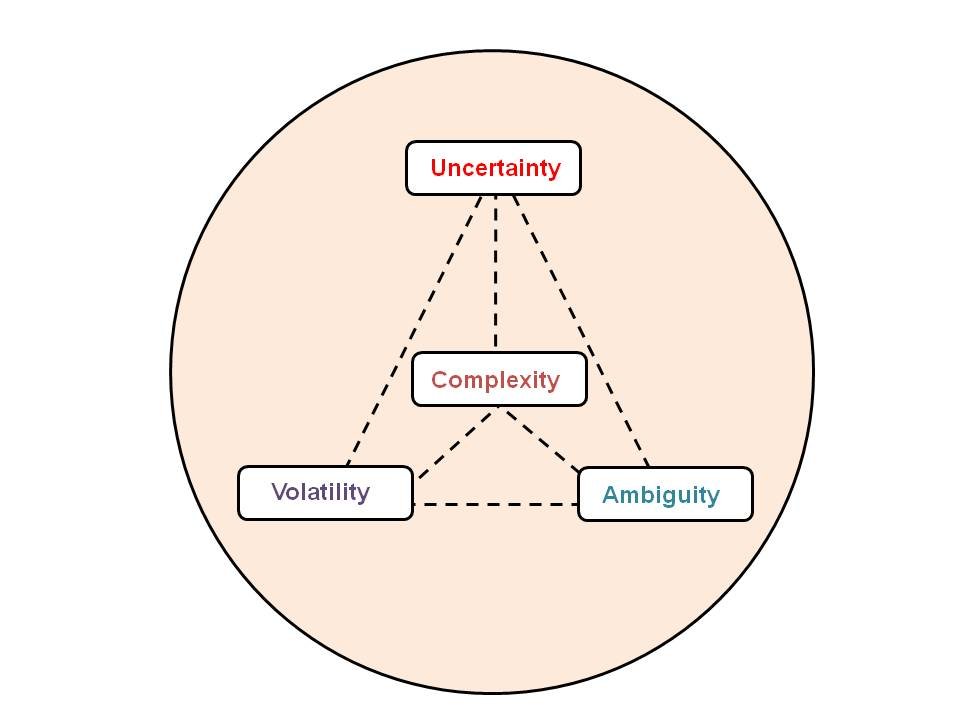
Uncertainty encourages professionals to look beyond a single income source. The key difference lies in how they approach it. Rather than jumping into demanding side projects, many choose skill-based or flexible options. Consulting, freelance work, or teaching within their field often feels manageable. The focus stays on adding security, not exhaustion. Professionals learn that extra income works best when it fits existing schedules and strengths. This careful approach helps protect work-life balance while improving financial resilience.
Using Financial Planning to Support Career Moves

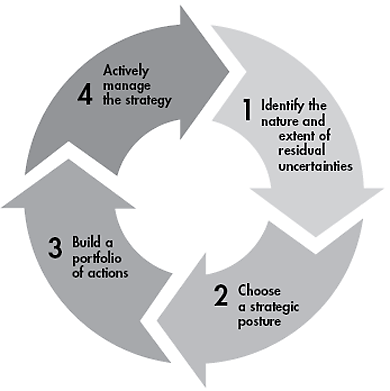
Stronger financial habits often change how professionals think about their careers. Savings, lower debt, and clear budgets provide options. People feel more confident considering role changes, training, or short career breaks. Financial planning becomes a support system rather than a restriction. When money feels organized, professionals can make career decisions based on growth instead of fear. This connection between finances and career confidence becomes clear during uncertain times. Good planning does not limit ambition. It makes smart risks possible.
Habits That Outlast the Uncertain Period
Many habits formed during uncertainty remain useful even after conditions improve. Regular reviews, mindful spending, and realistic planning continue to add value. Professionals realize that these habits reduce stress and improve clarity, regardless of the economy. The experience teaches that financial discipline does not mean giving up comfort. It means staying prepared.
Once people see the benefits, they rarely return to unmanaged habits. What begins as a response to uncertainty often becomes a long-term advantage.
Economic uncertainty challenges long-held assumptions about stability. For business professionals, it often becomes a moment of learning rather than loss. Smarter financial habits offer control when external factors feel unpredictable. Clear budgets, thoughtful debt choices, steady investing, and flexible income planning all serve the same purpose. They reduce stress and increase options. Over time, these habits strengthen both personal finances and professional confidence. In a changing economy, financial awareness becomes more than a personal task. It becomes a skill that supports long-term success.