



India is at an interesting crossroads. On one side, the country has one of the youngest populations in the world. On the other hand, it is witnessing a sharp rise in lifestyle diseases that were once associated with much older age groups. Long work hours, sedentary routines, processed food, stress, and lack of sleep are quietly reshaping the nation’s health profile. As this shift accelerates, it is also transforming how people think about protection, planning, and long-term medical security. This is where health insurance plans are no longer seen as optional but as an essential part of everyday financial planning.
Lifestyle diseases such as diabetes, hypertension, heart disease, obesity, thyroid disorders, and certain cancers are being diagnosed earlier than ever.
Many individuals in their late 20s and early 30s are already managing chronic conditions that require regular medication, monitoring, and sometimes hospitalisation. This changing reality has significant implications for health insurance coverage in India.
The Rising Burden of Lifestyle Diseases in India
Lifestyle diseases develop slowly and often stay unnoticed until they reach an advanced stage. Unlike infectious diseases, they usually require lifelong management rather than one-time treatment. The costs involved are not limited to hospital stays but include frequent doctor visits, diagnostic tests, medicines, and sometimes advanced procedures.

Urbanisation and desk-based jobs have reduced physical activity. Easy access to fast food and irregular eating habits have increased obesity and metabolic disorders.
Add pollution, stress, and poor sleep patterns to the mix, and the result is a steady rise in non-communicable diseases across urban and semi-urban India.
This shift means that healthcare expenses are no longer occasional or unpredictable. For many families, they have become regular and recurring.
Why Traditional Coverage Is No Longer Enough
Earlier, people often bought health insurance primarily to cover sudden hospitalisation due to accidents or infections. Today, that approach feels incomplete. Lifestyle diseases demand long-term coverage that supports both treatment and prevention.


Modern health insurance plans now need to account for chronic illnesses, shorter waiting periods for pre-existing conditions, and coverage for advanced treatments.
Policyholders are also looking for benefits such as annual health check-ups, wellness support, and access to modern medical procedures.
The focus has moved from simply paying hospital bills to managing health over time. This change has pushed insurers to adapt their offerings and policy structures to suit evolving needs.
Importance of Early Entry Into Health Insurance
One of the biggest lessons from the rise of lifestyle diseases is the importance of buying health insurance early in life. Purchasing a policy when you are young and relatively healthy helps in multiple ways.
- First, premiums are generally lower at younger ages.
- Second, waiting periods for pre-existing conditions can be completed before any major health issue develops.
- Third, continuous coverage ensures financial protection when lifestyle-related illnesses appear later.
People who delay buying insurance often face higher premiums, exclusions or longer waiting periods. In a country where lifestyle diseases are appearing earlier, early planning makes a significant difference.
Changing Role of Health Insurance Renewal


With long-term illnesses becoming more common, Health Insurance Renewal has taken on greater importance than ever before. Renewing a policy on time ensures continuity of benefits such as completed waiting periods and accumulated coverage advantages.
- A lapse in renewal can reset waiting periods and lead to loss of benefits that are critical for managing chronic conditions.
- For individuals with diabetes, hypertension, or heart issues, uninterrupted coverage is essential to avoid claim rejections
- Financial strain during treatment.
Policyholders are now paying closer attention to renewal dates, premium changes, and policy terms to ensure they do not lose protection when they need it the most.
Coverage for Preventive and Modern Treatments
Another major shift driven by lifestyle diseases is the growing demand for preventive care. Regular screenings, health check-ups, and early diagnosis help manage conditions before they worsen. Many policies now include annual check-ups as part of the coverage, encouraging people to monitor their health proactively.
- In addition, treatment methods have evolved.
- Robotic surgeries, immunotherapy, oral chemotherapy, and other advanced procedures are becoming more common for lifestyle-related conditions.
- Insurance coverage that includes modern treatments helps reduce out-of-pocket expenses and ensures access to quality healthcare.
Impact on Families and Senior Citizens
Lifestyle diseases do not affect individuals alone. They impact entire families, especially when multiple members are managing chronic conditions. Family floater policies and senior-focused coverage have gained importance as medical needs increase with age.
For senior citizens, the assurance of lifetime renewability and capped premium increases has brought much-needed stability. As people live longer with lifestyle diseases, long-term insurance support becomes crucial for maintaining quality of life.
A Shift From Reactive to Proactive Planning

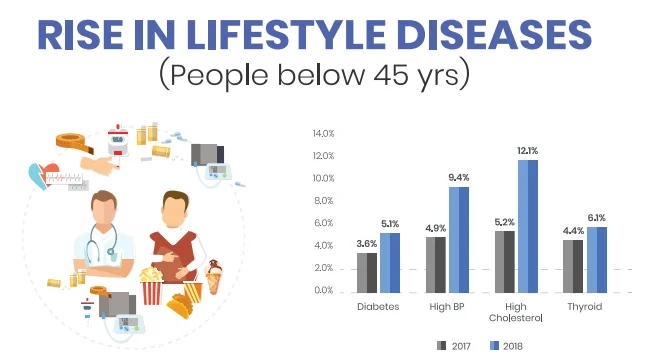
The rise of lifestyle diseases has changed the mindset around health insurance. People are no longer buying policies only after a health scare. Instead, there is a growing awareness that insurance is a proactive tool for long-term wellbeing and financial security.
Choosing the right coverage, understanding policy terms, and ensuring timely renewals have become part of responsible health planning. Insurance is now seen as a partner in managing health, not just an emergency backup.
Conclusion
Lifestyle diseases are quietly redefining India’s healthcare landscape. They have turned health insurance from a once-in-a-while purchase into a lifelong necessity. As medical costs rise and illnesses appear earlier, thoughtful coverage and consistent planning are no longer optional.
By choosing suitable health insurance plans, staying committed to timely Health Insurance Renewal, and prioritising preventive care, individuals can protect both their health and finances. In a world where habits shape health outcomes, planning ahead offers peace of mind and resilience. Brands like Bajaj General Insurance continue to align with these evolving needs by supporting informed and proactive health protection for Indian families.