


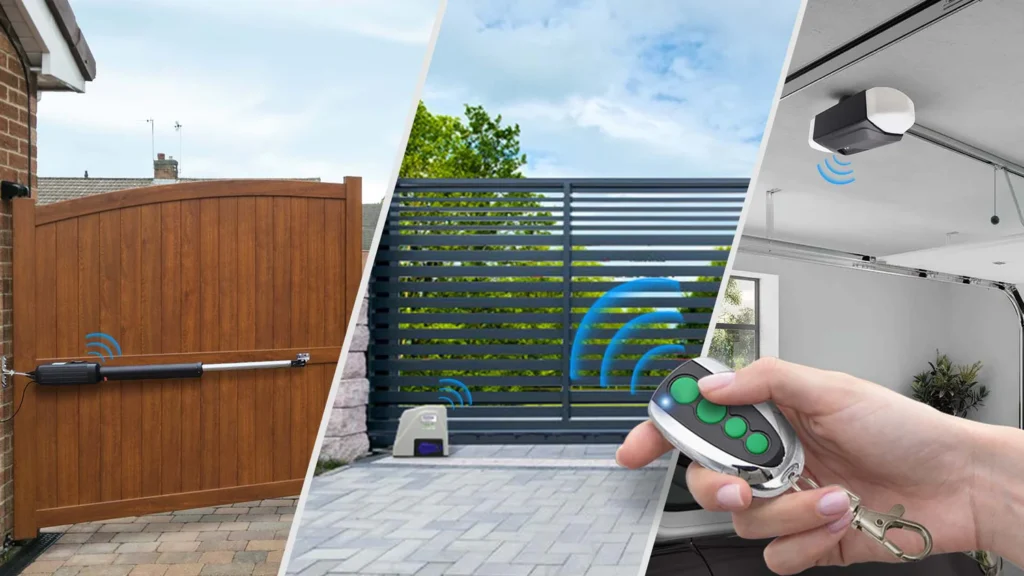
Upgrading your property’s exterior is about finding the perfect balance between visual appeal and practical security. The Australian smart home and security market is expanding rapidly, with industry research projecting the sector to exceed 2.1 billion dollars by 2030. Real estate experts note that adding a professionally installed automated entryway can increase an Australian home’s market value by 5 to 10 percent. From understanding daily power requirements to ensuring mechanical safety, homeowners need to know exactly what they are looking for before committing to an installation. When evaluating the best automatic gate openers for your driveway, selecting the ideal system requires more than just picking a design that looks good.
Assessing Your Gate Type and Structural Needs
The first step in choosing a gate automation system is understanding the physical constraints of your driveway. Your choice will largely depend on whether a sliding design or a swing format best suits your available space. Swing gates require a significant amount of inward or outward clearance, while sliding gates tuck neatly along the fence line. Regardless of the style you prefer, the weight and length of your physical gate will dictate the size and power of the motor required.

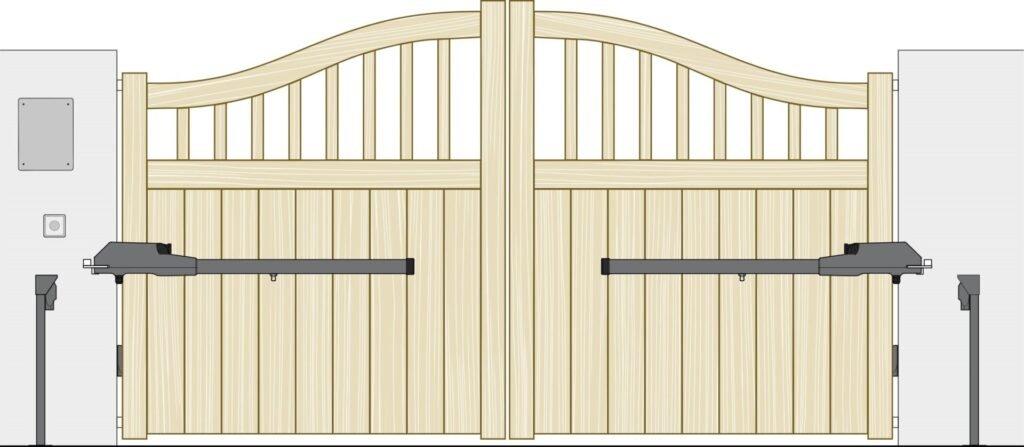
Safety is also a paramount concern when dealing with heavy moving barriers. According to an incident alert from WorkSafe Queensland, heavy sliding gates can apply extreme forces to their structural components, especially during manual operation in a power outage. Their safety guidelines highlight the critical need for robust, shock-absorbing end stops and a minimum of three top guides to ensure the gate cannot derail or fall. Proper structural support is just as vital as the electronics powering the movement.
Power Options and Energy Efficiency
Many homeowners worry that adding heavy exterior automation will lead to a massive spike in their quarterly electricity bills. Fortunately, modern mechanical systems are incredibly energy efficient. Contrary to common myths about high electricity usage, a typical motor spends most of its time in a low power standby mode, usually consuming only 80 to 100 watts over a full 24-hour period. The active movement only draws significant power for the brief 15 to 20 seconds it takes to open or close the entryway, meaning daily operation has a negligible impact on household energy costs.
For eco-conscious properties or rural homes where trenching mains power is simply too expensive, solar power has become a highly reliable alternative. Modern 60-watt solar panels paired with 15Ah deep cycle lithium batteries are proven to comfortably handle the vast majority of residential gate operations year round.
Smart Technology and Security Integration
The Australian Security Industry Association Limited continually emphasises the importance of integrated smart security ecosystems. Robust physical barriers are an essential primary line of residential defence, and modern technology is making them smarter than ever. Premium systems now come equipped with advanced features like remote user management, detailed activity logs, and real-time push notifications to safely control guest entry from anywhere.

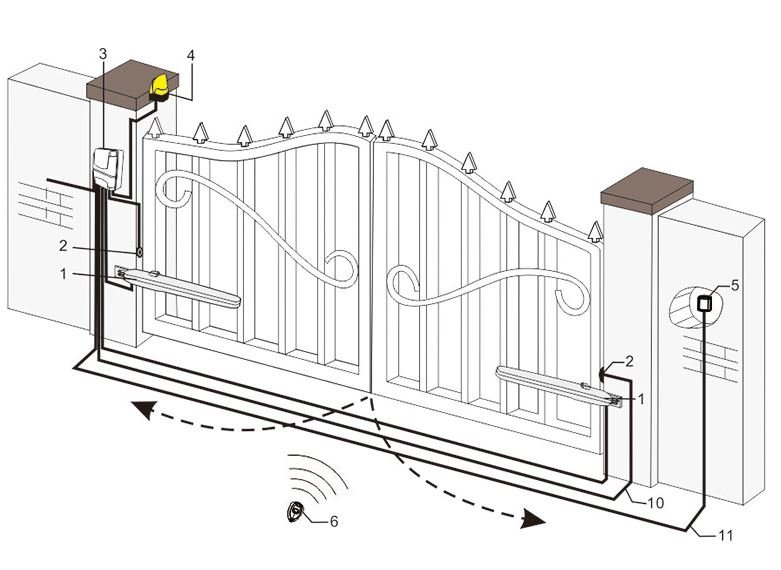
Furthermore, geofencing technology is becoming a standard request in new installations. This allows your system to begin opening seamlessly as your smartphone approaches the property boundary. Artificial intelligence is also being integrated to learn household behavioural patterns, helping to identify potential mechanical issues before a complete system failure occurs.
Factors to Consider Before Buying

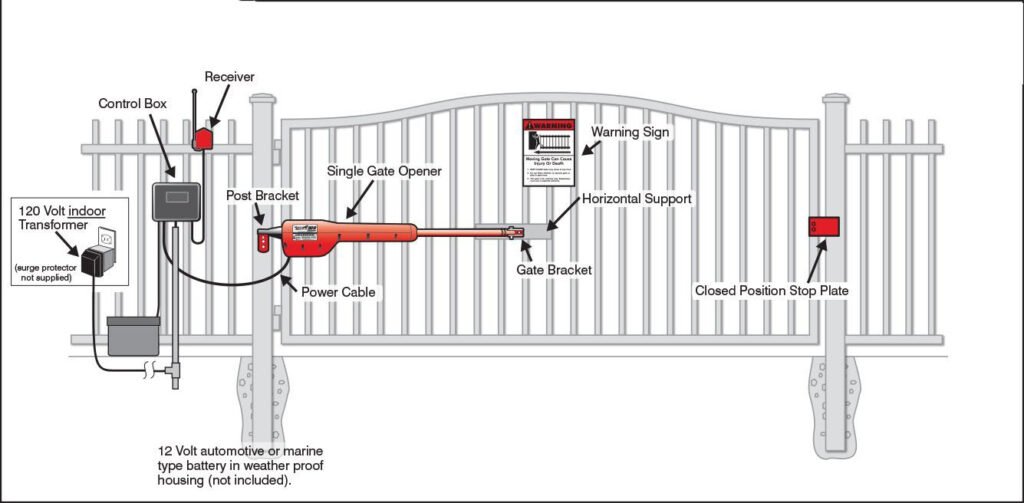
To ensure you get the most out of your investment, keep a few critical guidelines in mind as you shop for your new system. Just as you would book regular property maintenance or look into professional garage door services, you need a consistent plan for your exterior upgrades. Keep these key considerations in mind:
- Motor Capacity: Always choose a motor rated for a heavier weight than your actual gate. This reduces mechanical strain on the system during high winds or adverse weather conditions.
- Power Source: Decide early on whether you will connect to mains electricity or use a solar and battery setup based on your driveway layout.
- Routine Upkeep: Ensure you have a consistent plan for keeping the gate tracks and hinges clear of debris to prevent motor burnout.
- Professional Installation: Always seek out licensed professionals aligned with safety and structural benchmarks set by organisations like Master Builders Australia.
Securing your home with an automated entryway brings peace of mind, enhanced daily convenience, and a noticeable boost to your overall property value. By taking the time to assess your structural requirements, power preferences, and smart technology needs, you can select a robust setup that will protect your family for years to come.