



As a pet owner, your furry companion relies on you for more than affection—they depend on your commitment to their well-being. Ensuring a long, healthy life for your pet starts with a proactive approach, which means building a robust preventive care plan. Early intervention and regular health maintenance can help your pet avoid major illnesses, live more comfortably, and share more happy years with you. Scheduling routine wellness exams at an animal clinic is just the first step in safeguarding your pet’s future. From vaccinations to nutrition, a preventive care plan is about being attentive to the unique needs of your pet. It’s about catching health problems before they become serious, tailoring care to your animal’s age, breed, and lifestyle, and staying up to date with professional veterinary guidance.
By following a carefully crafted plan, you give your pet the best chance for a vibrant life full of energy and joy.
Schedule Regular Veterinary Check-Ups
Twice-yearly or annual veterinary check-ups are crucial. These regular appointments help veterinarians keep close tabs on your pet’s overall health—tracking weight, heart and lung function, joint condition, and detecting early warning signs of illness that might otherwise go unnoticed. Early detection of diseases like diabetes, kidney disease, or even cancer is often the difference between manageable treatment and a more serious outcome. According to the American Veterinary Medical Association, preventive care checklists should be used for all pets to optimize wellness and lifespan.
Stay Up-to-Date with Vaccinations
- Vaccines are one of the greatest shields you can provide your pet.
- Your veterinarian will recommend a core vaccine protocol like rabies, distemper, and parvovirus for dogs, or panleukopenia and feline calicivirus for cats tailored according to their age, lifestyle, and environmental risk.
- Outdoor animals or pets boarding in group settings often need additional vaccines, such as Bordetella or feline leukemia.
- Keeping your vaccination schedule current not only protects your pet but also supports the well-being of all pets in the community.
Implement Year-Round Parasite Control
- Parasites, including fleas, ticks, heartworms, and intestinal worms, can pose health risks year-round.
- Modern prevention methods monthly oral medications, topical drops, and specialized collars—offer peace of mind.
- Your vet can recommend the safest and most effective products tailored to your pet’s age, weight, and health.
- Effective parasite control isn’t just about comfort—some tick-borne diseases and heartworms can be life-threatening. Regular screening and prevention are essential.
Maintain Proper Nutrition and Weight

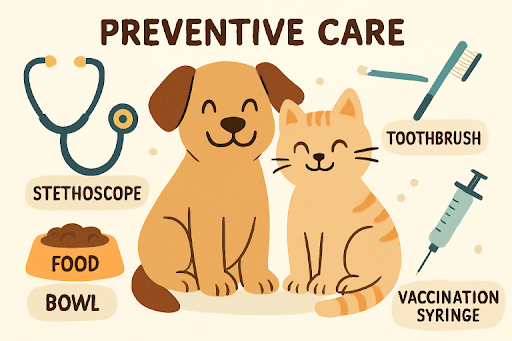
Obesity is one of the leading health threats for pets, contributing to conditions like diabetes, arthritis, and heart disease. Achieving and maintaining a healthy weight begins with choosing the right diet and portion size for your individual animal. Consultation with your veterinarian about breed-specific needs is vital, particularly as pets age or if health concerns arise. Routine exercise, whether daily walks for dogs or interactive toys for cats, should become a normal part of their day. Find additional nutritional guidance from the ASPCA’s pet nutrition resources.
Prioritize Dental Care
Dental health is often overlooked despite its significant impact on quality of life. Around 70–80% of cats and dogs show dental disease by age three. Without regular dental care, bacteria can lead to painful infections, loss of teeth, and even kidney or heart issues. Annual dental examinations, professional cleanings, and daily home routines like brushing or dental chews make a real difference. Noticing bad breath, gum redness, or difficulty eating? These are immediate signals for a dental check-up.
Monitor Behavior and Mental Health
Changes in behavior are often the first warning signs of both physical and emotional issues. Increased aggression, withdrawal, vocalization, or changes in eating and bathroom habits should all be carefully monitored. Early intervention for anxiety, cognitive decline, or socialization problems can greatly improve your pet’s experience and prevent chronic issues. Regularly discuss any changes in your pet’s behavior with your vet to rule out medical causes and craft a tailored support plan. For deep insights into animal behavioral health, visitPetMD’s behavioral health guide.
Customize the Plan to Your Pet’s Needs

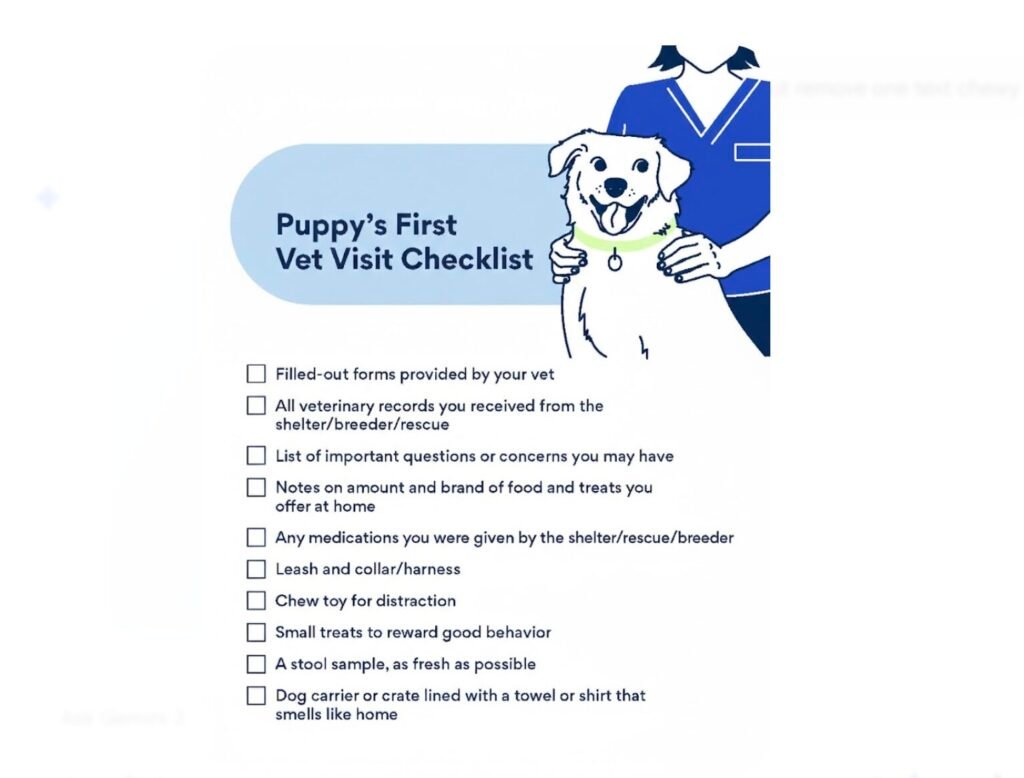
There is no one-size-fits-all when it comes to pet health. Life stage, breed, medical history, and your pet’s day-to-day environment all influence their individual care plan. A senior cat needs different priorities than a young, active puppy. Breed-specific conditions, allergies, or genetic predispositions also come into play. The best preventive care is a partnership with open, ongoing communication between you, your family, and your vet. Regularly update your pet’s care plan to reflect their changing needs through every phase of life.
Conclusion
Developing a preventive care plan is one of the most loving gifts you can give your pet. By focusing on regular check-ups, up-to-date vaccinations, year-round parasite protection, balanced nutrition, comprehensive dental care, and behavioral monitoring, you minimize risks and maximize your pet’s comfort. Each animal deserves individualized care, and the attentive partnership between pet owners and veterinarians paves the way for a bright, healthy future. Take proactive steps today to ensure more happy, healthy moments with your companion.