


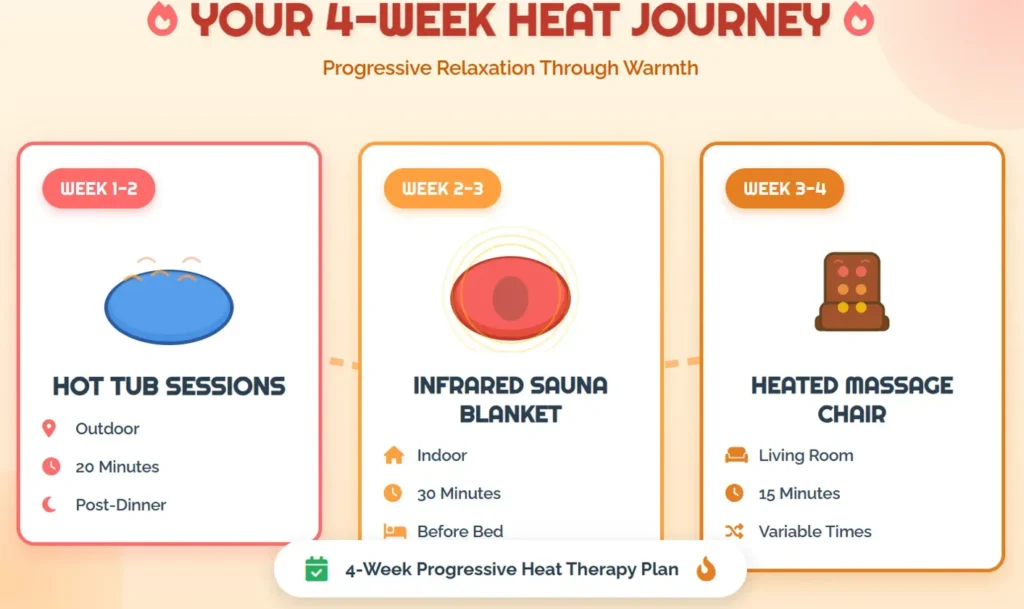
The arrival of January makes one thing plain: everything is more painful in cold weather. The entire muscles in your body are tightly clenched, and once again you are wracked by a dull ache throughout it. At 6 p. m., when you have been out of bed for barely an hour of business, there is nothing left but exhaustion. This is how Winter brings about such experiences.
So, a four-week trial period was established which involved examining three different methods and how much each of them actually helped as opposed to what sounded good on paper. Not someone peddling wellness nonsense please – we’re after something with a touch of reality that will fit into the average person’s evening without having to completely overhaul her whole way of living.
The three contenders: nightly hot tub sessions, infrared sauna blanket treatments, and a heated massage chair routine. Each one involves heat, because that’s what January brings, and claims to dissolve stress and tension away-but does it?
Week 1-2: Hot Tub Sessions (Outdoor, 20 Minutes, Post-Dinner)

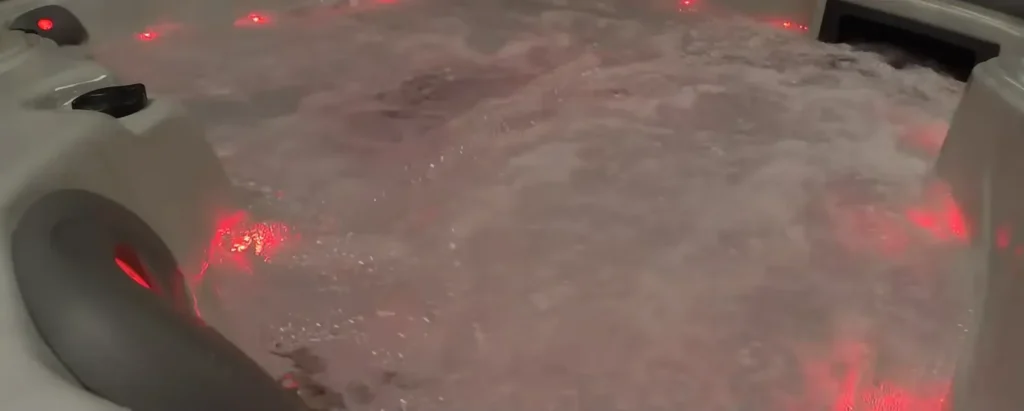
The hot tub had been sitting mostly unused since last summer. Not broken, just neglected – one of those things where you keep meaning to use it but never quite get around to it. Getting it back up and running required calling in professionals because the water chemistry was off and honestly, trying to figure out pH levels and chlorine ratios after a long day wasn’t happening. A proper hot tub service sorted that out in about an hour, and then it was ready to go.
The routine: 20 minutes outside in 102-degree water, around 8 PM after dinner had settled. No phone, just sitting there while steam rose into cold air.
What worked: The immediate physical relief was undeniable. Tight shoulders from sitting at a desk all day? Gone within ten minutes. Lower back tension? Basically dissolved. There’s something about the combination of heat and slight water pressure that gets into muscles differently than other methods.
The cold air on your face while your body is submerged in hot water creates this weird contrast that’s actually pleasant rather than uncomfortable. You’re warm but not overheated, and stepping out into 40-degree air feels refreshing instead of miserable.
What didn’t: The logistics are annoying. You have to commit to getting wet, which means dealing with damp hair afterward or planning around that. Can’t just do a quick 10-minute session – by the time you’re out there and adjusted to the temperature, you need at least 20 minutes to get the full benefit. And if you skip a few days, there’s this guilt about not using the thing you went through the trouble of maintaining.
Also, outdoor hot tubs in January mean cleaning off snow or leaves before getting in. Minor inconvenience, but it adds friction to actually doing it consistently.
The verdict: Physically, this was the most effective for muscle tension. Mentally, it required the most effort to actually make happen.
Week 2-3: Infrared Sauna Blanket (Indoor, 30 Minutes, Before Bed)

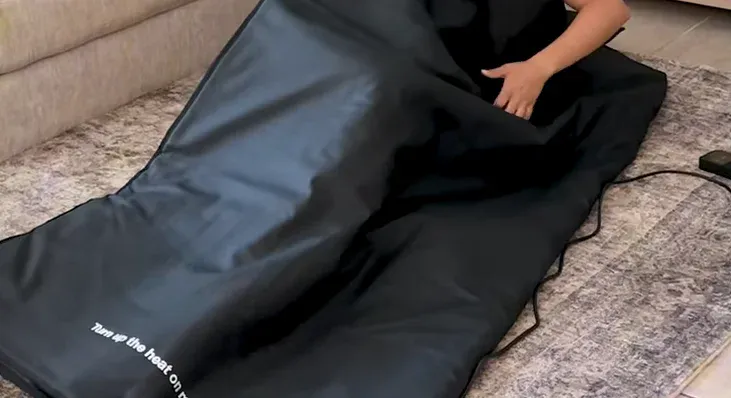
Infrared sauna blankets showed up everywhere last year – those sleeping-bag-looking things that supposedly give you sauna benefits without building an actual sauna in your house. Skepticism was high, but the promise of doing this while lying in bed watching TV was appealing.
The routine: Lay in the heated blanket set to medium-high (around 140-150°F) for 30 minutes, usually around 9 PM. Towel underneath because you will sweat.
What worked: Convenience is unbeatable. No going outside, no getting undressed beyond comfortable clothes, no water involved. Just zip into the blanket and lie there. The heat builds gradually, and by minute ten you’re definitely sweating. By minute twenty, you’re questioning your life choices. By minute thirty when you unzip, the relief is substantial.
Sleep after using this was noticeably better – falling asleep faster and staying asleep longer. Whether that’s because of detoxification (the marketing claim) or just because you’re exhausted from sweating for half an hour is unclear. Doesn’t really matter if the result is the same.
What didn’t: You will sweat significantly. This isn’t a cute little glow situation – this is proper perspiration that requires a shower afterward or you’re sleeping in your own salt. The blanket itself needs to be wiped down regularly or it starts to smell like a gym bag.
Some nights the idea of voluntarily making yourself uncomfortably hot for 30 minutes just doesn’t appeal, especially if the house is already warm or you’re already tired. There’s also this weird mental thing where you’re just lying there staring at a timer, waiting for it to be over. Not exactly relaxing in the moment, even if you feel better after.
The verdict: Best for sleep quality, most convenient logistically, but the least pleasant experience while actually doing it.
Week 3-4: Heated Massage Chair (Living Room, 15 Minutes, Variable Times)


The massage chair was already in the house, mostly used for sitting while scrolling through phones. Actually using it properly – heat on, massage functions running, no distractions – was the experiment here.
The routine: 15-minute sessions with heat and full-body massage programs, usually late afternoon when energy started dragging or early evening before dinner.
What worked: The flexibility is huge. Fifteen minutes is short enough to fit into weird gaps in the day. Waiting for laundry? Massage chair. Need a break between tasks? Massage chair. Don’t have energy to do anything else? Still massage chair.
The heat combined with the kneading and rolling functions gets into specific problem areas – lower back, shoulders, calves – in ways that are more targeted than sitting in water. You can adjust intensity based on how you feel that day, and you’re not committing to getting wet or sweating heavily.
What didn’t: The massage chair doesn’t create the same full-body relaxation that heat therapy does. It’s more targeted relief rather than overall stress reduction. You feel better in specific spots, but that mental reset that comes from the hot tub or sauna blanket doesn’t really happen here.
Also, massage chairs are loud. Not obnoxiously loud, but enough that you can’t really zone out or meditate or whatever. You’re aware of the mechanical sounds the whole time, which keeps you from fully disconnecting.
The verdict: Most practical for daily use, easiest to maintain consistency, but delivers the least dramatic results.