


Modern dentistry is moving at a remarkable pace, offering more personalized and effective solutions for dental care than ever before. Whether you are looking to prevent cavities or combat challenges such as gum disease, keeping up with the latest dental innovations can make a difference in your everyday oral health. Adopting these advancements means fewer worries about common problems, a more comfortable dental experience, and greater control over your dental routine.
Revolutionary changes such as artificial intelligence-driven diagnostics, breakthroughs in regenerative medicine, and smart oral hygiene technology are all transforming how we approach dental health at home and in the dental office.
This guide highlights the notable advancements making oral care smarter, easier, and more environmentally conscious, empowering you to benefit from these new options and treatments.
AI-Powered Dental Diagnostics

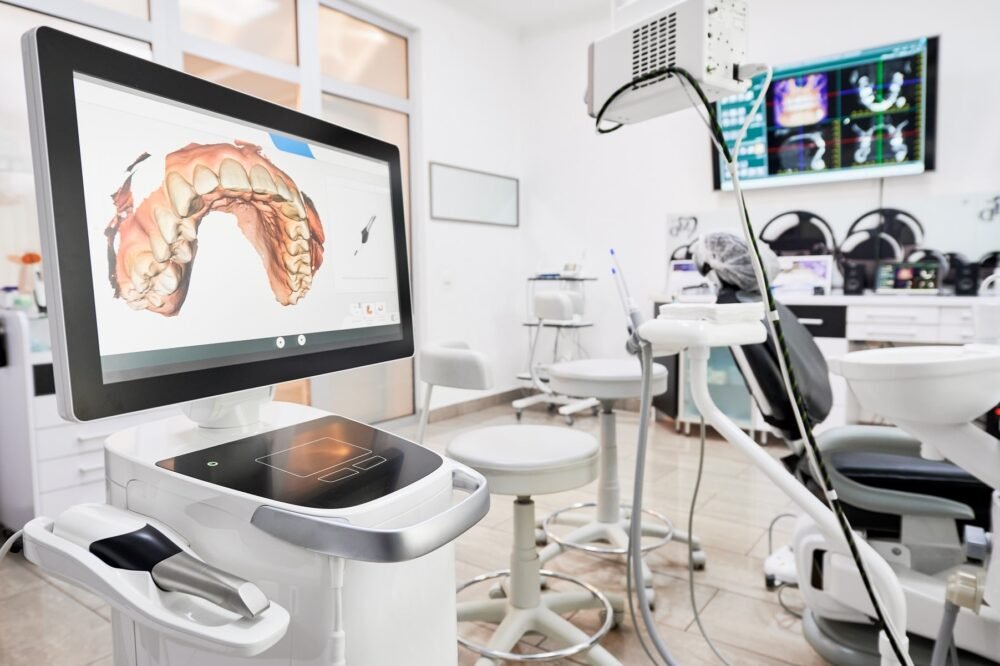
Artificial intelligence is driving a dramatic transformation in dental health by improving the accuracy and speed of diagnostics. AI-powered systems can analyze dental images, such as X-rays and scans, to detect cavities, periodontal disease, and early warning signs of oral cancer. Because these computer-assisted systems process large datasets and identify patterns that might escape the human eye, dentists are better able to catch oral health issues early. For example, dental facilities like the Maulana Azad Institute of Dental Sciences use AI-driven scanners to expedite diagnosis, minimize errors, and reduce patient wait times.
This results in more effective treatment plans and increases the likelihood of successful outcomes for issues like decay or misaligned teeth. Recent coverage in The New York Times emphasizes how AI is shaping health care diagnostics across specialties, including dentistry.
Regenerative Dentistry and Stem Cell Therapies
| Topic | Description |
|---|---|
| Stem Cell Therapies | Offer a revolutionary path for individuals with damaged tooth structures. |
| Regenerative Dentistry | Aims to use the body’s own cells to repair or regenerate tooth components such as dentin and enamel. |
| Potential Benefits | Allows the natural regrowth of teeth, reducing the reliance on synthetic implants. |
| Research Focus | Ongoing research into manipulating stem cells to heal or replace tissues damaged by injury or disease. |
| Future Promise | Regenerative treatments may provide more accessible natural tooth restoration with fewer synthetic parts, leading to biologically harmonious results. |
| Current Status | Still an emerging area, with much research to be done, but holds significant potential for future dental treatments. |
3D Printing in Dental Restorations
3D printing is streamlining the creation of dental restorations like crowns, bridges, and dentures. In the past, patients often waited days or weeks for custom dental appliances. Now, clinics can manufacture these items in-house within hours, delivering a tailored fit based on direct digital scans of a patient’s mouth. The precision offered by 3D printing leads to improved comfort and enhanced results for patients, while minimizing the inconvenience that comes with repeat dental visits and adjustments. The American Dental Association has reported significant growth in 3D printer usage in dental offices nationwide, citing improved efficiency and patient outcomes as key benefits.
Teledentistry and Virtual Consultations

- Teledentistry bridges the gap for patients who might otherwise delay or skip vital dental care.
- Using secure video platforms, dentists can triage symptoms, offer advice, and determine if a patient requires an in-person appointment.
- This approach has proved invaluable for those living in remote locations, people with disabilities, or individuals who are anxious about visiting the dentist in person.
- The expansion of virtual dental care has made it possible for more people to receive preventive consultations, helping to address oral health concerns early and limit the progression of disease.
Laser Dentistry for Minimally Invasive Treatments

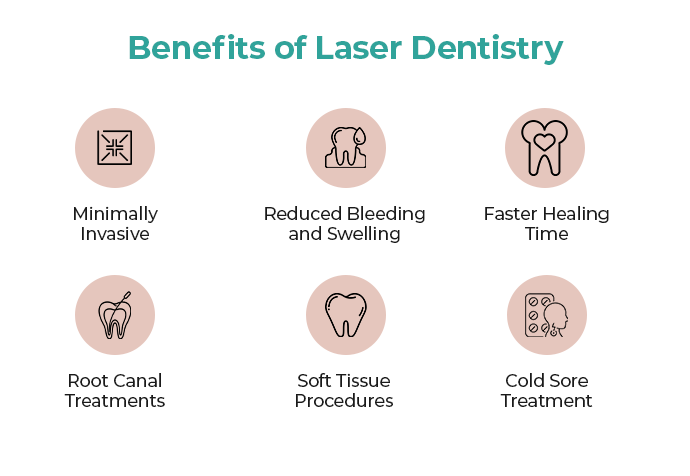
Laser technology is becoming a mainstay for a variety of dental procedures, offering precise, minimally invasive options. Lasers can be used to remove cavities, reshape gum tissue, or whiten teeth with minimal discomfort and faster recovery than traditional methods. This means less bleeding, less pain, and reduced anxiety for patients. In particular, laser treatments are highly beneficial for children, individuals with dental phobias, or anyone looking to minimize time in the dental chair. As more dental professionals adopt laser devices, treatments continue to become safer and more accessible across practices, large and small.
Smart Toothbrushes for Enhanced Oral Care

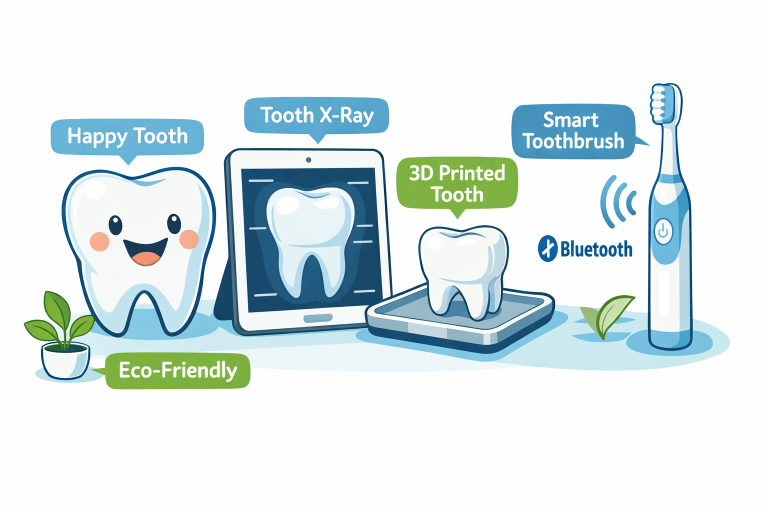
The rise of smart toothbrushes is bringing professional-level feedback straight into the home. These toothbrushes are equipped with pressure sensors, timers, and Bluetooth connectivity, allowing users to track and improve their brushing technique through smartphone apps.
Some even provide personalized coaching or reminders, making it easier to form habits that lead to optimal oral health.
Smart toothbrushes are especially useful for children or people who struggle to reach all areas of their mouth effectively. The Mayo Clinic recommends using electric and smart toothbrushes to improve daily brushing results and prevent future dental issues.
Eco-Friendly Dentistry Practices
| Topic | Description |
|---|
| Eco-Friendly Dentistry | Focuses on sustainability in dental practices by using biodegradable or reusable products and reducing resource consumption. |
| Sustainability Practices | Includes reducing water and energy consumption, recycling materials, and using eco-friendly products. |
| Patient Involvement | Patients can support eco-friendly dentistry by choosing dental offices committed to reducing their environmental footprint. |
| Benefits | These practices benefit individual health and contribute to a healthier environment. |
| Overall Impact | Eco-friendly dentistry helps reduce the environmental impact of dental practices while improving sustainability in healthcare. |
Virtual Reality to Reduce Dental Anxiety
Virtual reality is being used to distract and calm patients during dental visits. By immersing individuals in relaxing virtual environments, VR reduces stress and pain, especially during longer or more complex procedures. Dental teams are also utilizing VR as a teaching tool, allowing students to practice techniques and scenarios in a low-risk, interactive manner.
Incorporating VR has the potential to redefine dental patient care, making treatment less intimidating and more engaging.
As these technologies and trends continue to evolve, patients have more opportunities than ever to take control of their oral health and benefit from new standards in comfort, efficiency, and effectiveness. Staying informed and exploring advanced options with your dentist ensures healthier smiles and more positive dental experiences for years to come.