


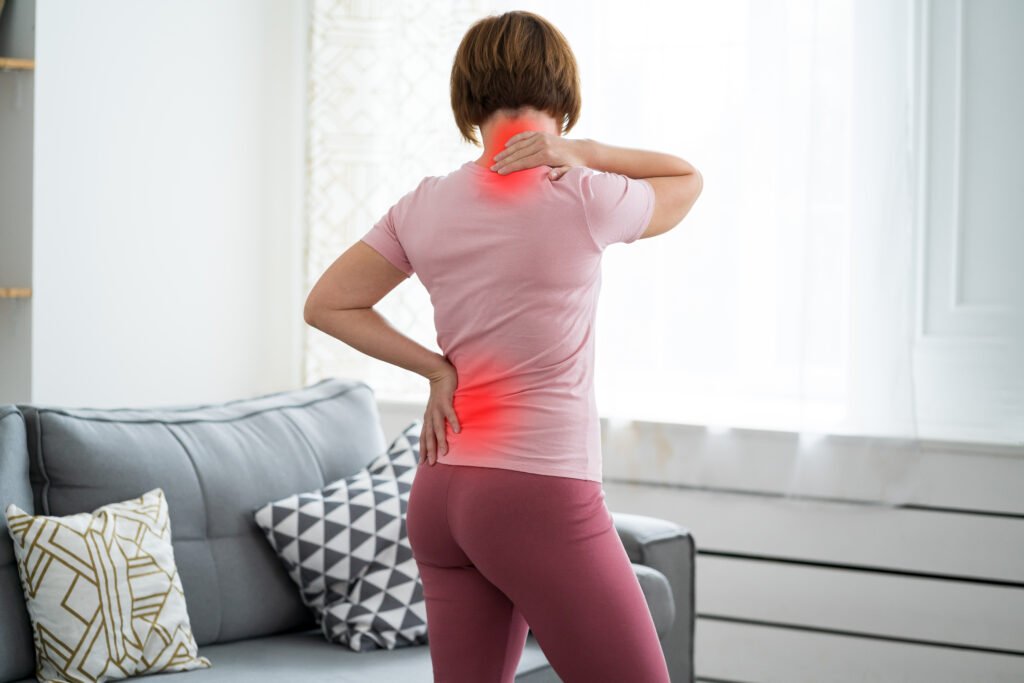
A compression fracture can change daily life quickly, especially for older adults. Many people hear the diagnosis and immediately worry about one question: does a compression fracture shorten life expectancy?
The answer depends on several factors. A compression fracture itself does not automatically mean a person will die early. However, the condition often connects to larger health issues such as osteoporosis, reduced mobility, chronic pain, poor balance, weakness, and complications from aging.
Some people recover well and continue living active lives for many years. Others experience serious complications because the fracture affects movement, posture, breathing, independence, and overall physical health.
Compression fractures are most common in the spine. They happen when one of the vertebrae weakens and collapses partially under pressure.
Common causes include:
| Cause | Description |
|---|---|
| Osteoporosis | Weak bones from bone loss |
| Falls | Sudden trauma |
| Car accidents | High-impact injury |
| Cancer | Bone weakening |
| Long-term steroid use | Bone thinning |
| Aging | Reduced bone strength |
Many spinal compression fractures happen in adults over age 60, especially women with osteoporosis.
The fracture itself matters, but the person’s overall health matters even more.
What a Compression Fracture Actually Means

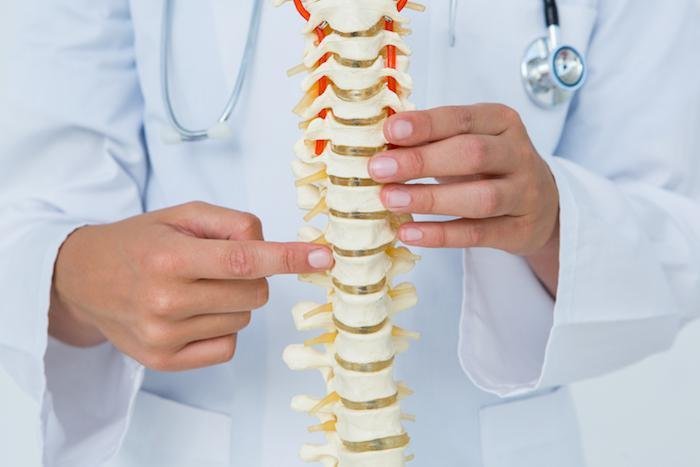
The spine contains small bones called vertebrae. These bones support body weight and protect the spinal cord.
A compression fracture happens when one vertebra collapses or becomes compressed.
This collapse may be mild or severe.
Some fractures develop suddenly after a fall, while others happen gradually because bones weaken over time.
Symptoms often include:
- Sudden back pain
- Height loss
- Curved posture
- Difficulty standing
- Reduced mobility
- Pain while walking
In some cases, people do not even realize a fracture happened until imaging tests show damage.
Compression fracture severity varies greatly.
| Fracture Severity | Possible Impact |
|---|---|
| Mild | Temporary pain |
| Moderate | Mobility problems |
| Severe | Chronic disability |
The condition becomes more concerning when multiple fractures occur.
Why Compression Fractures Affect Overall Health
The fracture itself is not always the biggest problem. The long-term effects often matter more.
People who stop moving because of pain may develop:
- Muscle weakness
- Poor balance
- Lung problems
- Reduced independence
- Depression
- Weight changes
In older adults, these complications sometimes reduce life expectancy indirectly.
Reduced movement creates a chain reaction inside the body.
For example:
| Problem | Possible Result |
|---|---|
| Less walking | Muscle loss |
| Chronic pain | Sleep problems |
| Poor posture | Breathing difficulty |
| Fear of falling | Isolation |
| Bed rest | Blood clots |
This is why early treatment and rehabilitation matter so much.
Osteoporosis Is Often the Bigger Health Issue
Many compression fractures happen because of osteoporosis.
Osteoporosis weakens bones slowly over time until even small movements or minor falls cause fractures.
The fracture becomes a warning sign that bone health has already declined significantly.
Osteoporosis risks include:
| Risk Factor | Explanation |
|---|---|
| Aging | Bone density decreases |
| Menopause | Hormonal changes weaken bones |
| Smoking | Bone quality worsens |
| Low calcium intake | Reduced bone strength |
| Inactivity | Bones weaken faster |
| Steroid medications | Bone thinning |
Doctors often focus heavily on treating osteoporosis after a fracture because preventing future fractures becomes critical.
Does a Compression Fracture Reduce Life Expectancy?

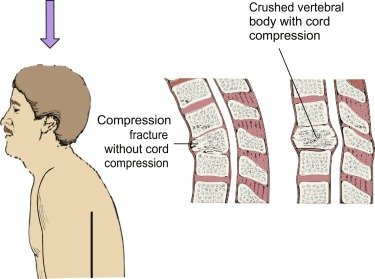
Research shows that severe spinal fractures can be associated with lower survival rates in some older adults, especially when multiple fractures occur.
However, the fracture usually contributes indirectly.
Life expectancy depends on:
- Age
- Overall health
- Mobility
- Bone condition
- Heart health
- Lung function
- Recovery ability
A healthy younger adult with a mild fracture may recover fully.
An older adult with severe osteoporosis, multiple fractures, and limited mobility faces higher risks.
General outlook comparison:
| Patient Type | Typical Outcome |
|---|---|
| Younger healthy adult | Often good recovery |
| Older adult with mild osteoporosis | Moderate recovery |
| Frail older adult with multiple fractures | Higher complication risk |
The fracture often acts as a sign of declining overall physical strength.
Pain Changes Daily Life Significantly
Pain is one of the biggest challenges after a compression fracture.
Some people recover within weeks, while others develop chronic pain lasting months or years.
Chronic pain affects:
- Sleep
- Mood
- Mobility
- Appetite
- Mental health
- Physical activity
Pain-related lifestyle changes can gradually weaken overall health.
Common pain effects include:
| Pain Effect | Health Impact |
|---|---|
| Reduced walking | Muscle loss |
| Sleep disruption | Fatigue |
| Fear of movement | Physical decline |
| Social withdrawal | Depression risk |
Pain management becomes an important part of recovery.
Mobility Loss Creates Bigger Risks

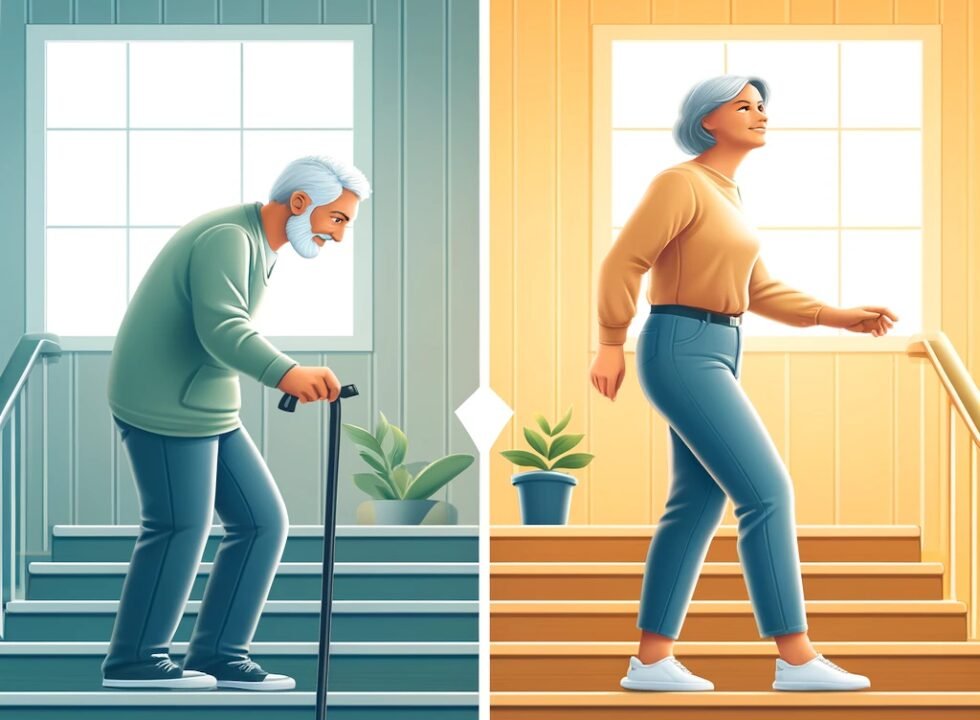
Movement protects health in many ways.
Walking and physical activity help maintain:
- Muscle strength
- Circulation
- Balance
- Lung function
- Emotional health
After a compression fracture, people sometimes avoid movement because they fear more pain or another fracture.
This creates physical decline quickly.
Mobility-related risks include:
| Reduced Activity | Possible Problem |
|---|---|
| Bed rest | Blood clots |
| Weak muscles | Falls |
| Poor circulation | Cardiovascular stress |
| Isolation | Emotional decline |
Doctors usually encourage safe movement instead of prolonged bed rest.
Multiple Fractures Create More Serious Concerns
One compression fracture increases the risk of future fractures.
This happens because:
- Bone strength is already low
- Posture changes increase spinal stress
- Balance worsens
- Muscle weakness increases fall risk
Multiple spinal fractures may lead to:
- Severe height loss
- Spinal curvature
- Chronic pain
- Lung compression
Repeated fractures sometimes affect long-term survival indirectly because body systems become weaker.
Breathing Problems Can Develop
Severe spinal curvature from compression fractures may reduce lung expansion.
This happens because the chest area becomes compressed.
Breathing problems are more common in:
- Older adults
- People with multiple fractures
- Patients with severe kyphosis
Possible breathing-related issues:
| Breathing Problem | Impact |
|---|---|
| Reduced lung capacity | Fatigue |
| Shallow breathing | Lower oxygen intake |
| Increased pneumonia risk | Serious complications |
Respiratory infections become more dangerous in frail patients.
Mental Health After Compression Fractures
Physical injuries affect emotional health too.
Many people experience:
- Anxiety
- Depression
- Fear of falling
- Loss of independence
- Frustration
Mental health changes often affect recovery speed.
Common emotional reactions include:
| Emotional Reaction | Cause |
|---|---|
| Fear | Future fractures |
| Sadness | Reduced independence |
| Isolation | Limited mobility |
| Anger | Chronic pain |
Support systems matter greatly during recovery.
Recovery Time Varies Greatly
Some compression fractures heal within a few months.
Others create long-term complications.
Recovery depends on:
- Fracture severity
- Bone health
- Age
- Nutrition
- Activity level
- Medical treatment
Typical recovery experiences:
| Recovery Type | Possible Timeline |
|---|---|
| Mild fracture | Weeks to months |
| Moderate fracture | Several months |
| Severe fracture | Long-term management |
Some people regain near-normal function. Others require ongoing care.
Treatments Used for Compression Fractures

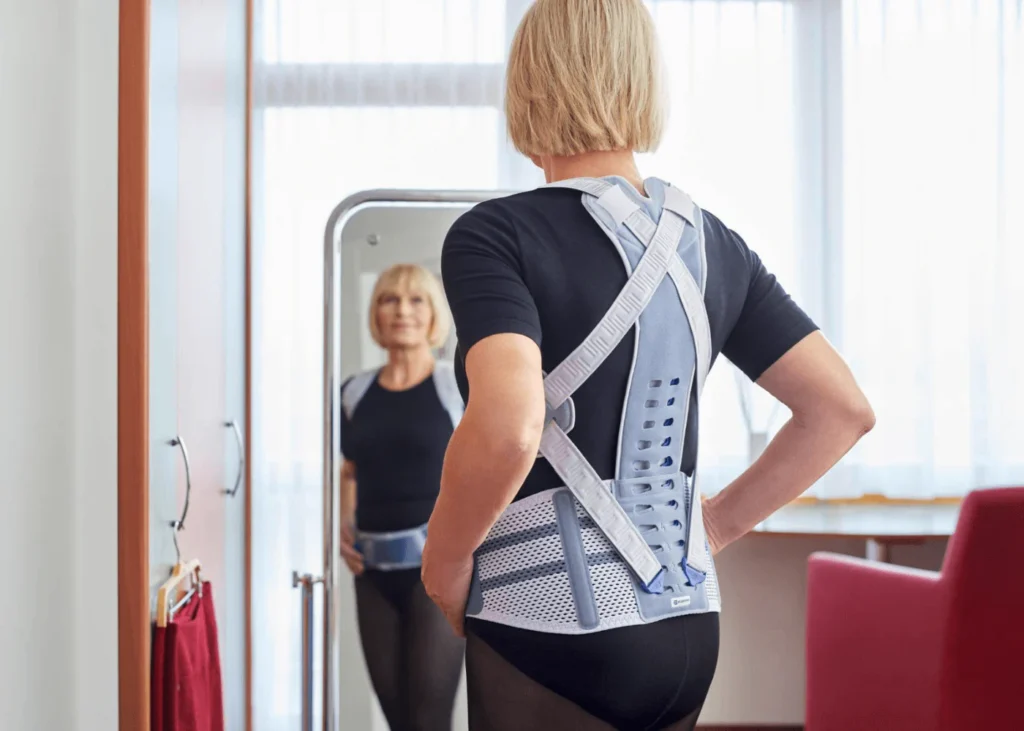
Treatment goals usually focus on:
- Pain reduction
- Bone stabilization
- Mobility improvement
- Preventing future fractures
Common treatments include:
| Treatment | Purpose |
|---|---|
| Pain medication | Reduce discomfort |
| Physical therapy | Improve strength |
| Bracing | Support spine |
| Osteoporosis medication | Strengthen bones |
| Surgery | Stabilize severe fractures |
Not every patient needs surgery.
Vertebroplasty and Kyphoplasty
These are minimally invasive procedures sometimes used for painful fractures.
In vertebroplasty, medical cement is injected into the vertebra.
In kyphoplasty, a balloon creates space before cement placement.
Possible benefits include:
- Reduced pain
- Better movement
- Faster recovery
Possible risks include:
| Risk | Description |
|---|---|
| Cement leakage | Rare complication |
| Infection | Surgical risk |
| New fractures nearby | Possible long-term issue |
Doctors decide carefully whether these procedures are appropriate.
Physical Therapy Helps Recovery
Physical therapy is often one of the most important recovery tools.
Goals may include:
- Improving posture
- Building muscle strength
- Reducing fall risk
- Increasing flexibility
Exercises are usually gentle and gradual.
Helpful therapy areas:
| Therapy Focus | Benefit |
|---|---|
| Core strengthening | Spinal support |
| Balance training | Fall prevention |
| Walking practice | Mobility improvement |
| Stretching | Reduced stiffness |
Movement is critical for maintaining long-term health.
Nutrition Supports Bone Health
Nutrition strongly affects bone healing and future fracture prevention.
Important nutrients include:
Poor nutrition slows healing.
Helpful foods include:
| Nutrient | Food Sources |
|---|---|
| Calcium | Dairy products |
| Vitamin D | Fish and sunlight |
| Protein | Eggs, meat, beans |
| Magnesium | Nuts and greens |
Hydration also matters because dehydration increases weakness and dizziness.
Fall Prevention Is Extremely Important
After one fracture, preventing another becomes a major priority.
Fall prevention strategies include:
- Removing loose rugs
- Installing grab bars
- Improving lighting
- Wearing supportive shoes
- Using walking aids if needed
Fall risk factors:
| Risk Factor | Why It Matters |
|---|---|
| Weak muscles | Poor stability |
| Poor eyesight | Tripping risk |
| Sedating medications | Balance problems |
| Cluttered floors | Fall hazards |
Small home adjustments often reduce major injury risks.
Smoking and Alcohol Slow Recovery
Smoking damages blood flow and weakens bone healing.
Heavy alcohol use increases:
- Fall risk
- Bone weakness
- Poor nutrition
Lifestyle habits influence recovery more than many people realize.
Harmful habits after fractures:
| Habit | Negative Effect |
|---|---|
| Smoking | Slower healing |
| Heavy alcohol use | Higher fracture risk |
| Inactivity | Muscle loss |
| Poor diet | Weak bones |
Healthy habits improve long-term outcomes.
Sleep Problems After Compression Fracture
Pain often disrupts sleep.
Poor sleep affects:
- Healing
- Mood
- Energy
- Pain tolerance
People sometimes struggle to find comfortable sleeping positions.
Helpful sleep strategies may include:
- Supportive mattresses
- Pillow positioning
- Pain control before bed
- Gentle stretching
Better sleep improves recovery quality.
Can Younger Adults Recover Better?
Younger adults generally recover faster because:
- Bones heal better
- Muscles remain stronger
- Mobility is higher
- Bone density is usually better
Compression fractures in younger adults often result from:
- Sports injuries
- Vehicle accidents
- High-impact trauma
However, younger patients with cancer or severe osteoporosis may still face complex recovery situations.
Compression Fractures and Height Loss
Many spinal fractures reduce height gradually.
This happens because compressed vertebrae collapse partially.
Multiple fractures may create a forward-curved posture called kyphosis.
Effects of severe posture changes include:
| Posture Change | Possible Impact |
|---|---|
| Height reduction | Balance problems |
| Curved spine | Back pain |
| Chest compression | Breathing issues |
Some people lose several inches of height over time.
Family Support Changes Recovery Outcomes
Support systems matter greatly after injury.
Helpful support includes:
- Transportation assistance
- Emotional support
- Meal preparation
- Fall prevention help
Patients recovering alone sometimes struggle more with:
- Depression
- Isolation
- Poor nutrition
- Medication management
Strong support improves emotional and physical recovery.
Fear of Falling Again Is Common
Many people become fearful after fractures.
Fear may cause:
- Reduced activity
- Social isolation
- Muscle weakness
- Loss of confidence
This fear sometimes becomes as limiting as the injury itself.
Ways to rebuild confidence:
| Helpful Action | Benefit |
|---|---|
| Guided exercise | Safer movement |
| Physical therapy | Better balance |
| Home safety changes | Reduced fear |
| Walking practice | Confidence improvement |
Mental recovery matters too.
Older Adults Face More Complications
Older adults often recover more slowly because of:
- Lower bone density
- Muscle loss
- Existing medical conditions
- Reduced balance
Common age-related complications include:
| Complication | Why It Happens |
|---|---|
| Pneumonia | Reduced mobility |
| Muscle wasting | Bed rest |
| Blood clots | Poor circulation |
| Depression | Isolation |
This is why early movement and rehabilitation are strongly encouraged.
Bone Density Testing After Fracture
Doctors often recommend bone density scans after compression fractures.
These tests measure bone strength.
Results help guide treatment decisions.
Bone density categories:
| Result | Meaning |
|---|---|
| Normal | Healthy bone density |
| Osteopenia | Mild bone loss |
| Osteoporosis | Severe bone weakening |
Treating osteoporosis reduces future fracture risk.
Medication for Osteoporosis
Several medications help strengthen bones.
Common medication groups include:
| Medication Type | Purpose |
|---|---|
| Bisphosphonates | Slow bone loss |
| Hormone therapies | Improve bone density |
| Calcium supplements | Bone support |
| Vitamin D supplements | Calcium absorption |
Doctors choose medications based on age, fracture history, and overall health.
Daily Life Changes After Compression Fracture

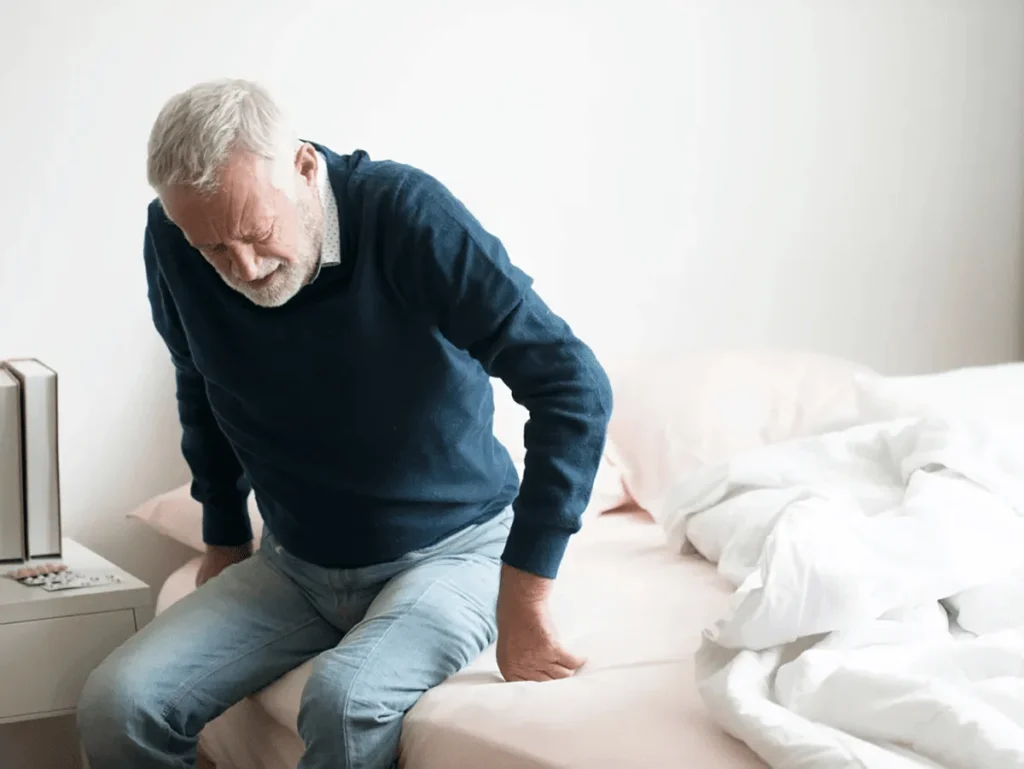
Some people must adjust daily routines temporarily or permanently.
Common adjustments include:
- Avoiding heavy lifting
- Using mobility aids
- Changing exercise routines
- Improving home safety
Daily activity changes may reduce future injury risk.
The Emotional Side of Aging and Fractures
Many older adults fear losing independence more than pain itself.
Compression fractures sometimes become emotionally difficult because they symbolize aging and physical decline.
Emotional concerns often include:
| Concern | Emotional Effect |
|---|---|
| Losing independence | Anxiety |
| Becoming dependent on family | Sadness |
| Chronic pain | Frustration |
| Mobility loss | Fear |
Emotional support is important during recovery.
Life Expectancy Depends on the Full Health Picture
Doctors rarely judge life expectancy based only on a compression fracture.
They also evaluate:
- Heart health
- Lung function
- Nutrition
- Mobility
- Cognitive health
- Existing diseases
Two people with identical fractures may have completely different long-term outcomes.
Signs of Better Recovery Potential
Certain factors improve outcomes significantly.
Positive signs include:
| Positive Factor | Why It Helps |
|---|---|
| Early treatment | Prevents complications |
| Good mobility | Maintains strength |
| Strong support system | Better recovery |
| Controlled pain | Increased activity |
| Good nutrition | Faster healing |
Recovery is often strongest when multiple healthy habits work together.
Final Thoughts on Life Expectancy After Compression Fracture
A compression fracture does not automatically mean a shortened life. Many people recover well and continue living active lives for years. However, the condition can become serious when it leads to chronic pain, immobility, breathing problems, repeated fractures, or major loss of independence.
The fracture itself is often part of a bigger health picture involving osteoporosis, aging, muscle weakness, and fall risk.