


Key Takeaways
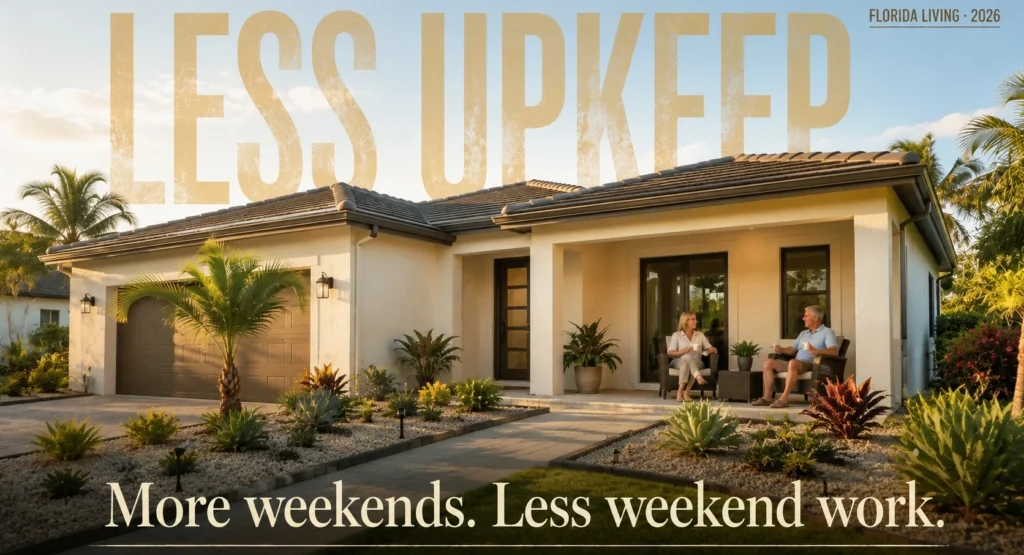
- Low-maintenance living gives residents more time for leisure and less time on home upkeep.
- Options include condos, townhomes, villas and single-family homes with HOA services.
- Understanding what the HOA covers protects homeowners and helps avoid surprises.
- Modern communities provide amenities that round out the low-maintenance experience.
Embracing a low-maintenance lifestyle in Florida’s modern communities goes far beyond simply reducing chores. It means enjoying more freedom, fewer worries and the ability to savor the Sunshine State’s best moments. With a variety of thoughtfully planned neighborhoods and innovative homebuilders in Parrish, FL, leading the way, Floridians are finding it easier than ever to focus less on home maintenance and more on living the life they desire.
Streamlined living appeals to people of all ages, from retirees seeking to maximize their leisure time to busy professionals seeking a lifestyle that fits their schedules. Florida’s weather, recreational offerings and community amenities provide the perfect backdrop for those who want to spend less time maintaining their property and more time on the experiences that matter most. Whether you’re drawn to the Gulf Coast, Central Florida or vibrant coastal cities, low-maintenance communities cater to diverse lifestyles. Modern housing options now frequently integrate convenience and efficiency as core values, enabling residents to walk away from the traditional responsibilities of homeownership.
Easy access to amenities and communal spaces further enhances the sense of carefree living. As you consider your next move in Florida’s dynamic housing market, understanding what makes low-maintenance living work is key to making an informed choice. From gated resort-style developments to master-planned neighborhoods designed for both comfort and practicality, today’s communities are tailor-made for those who want a better balance between routine and relaxation. The various benefits, housing options, HOA details and financial factors all contribute to creating an environment where relaxation and recreation can take priority.
Benefits of Low-Maintenance Living
Opting for a low-maintenance lifestyle in Florida translates to more time for recreation and relaxation. Traditional homeownership requires constant upkeep, including lawn maintenance, exterior repairs and seasonal home projects. In a low-maintenance community, these responsibilities are minimized, as homeowner’s associations or community managers handle much of the exterior work. This is especially valuable in Florida, where humidity, sun and storms can quickly age a home’s exterior and landscape. The ease of living attracts those ready to spend weekends exploring beaches, enjoying world-class golf or simply socializing with neighbors. For retirees, it removes many of the physical burdens of property management. Young professionals and families also gain more time for personal interests and family outings, making the Florida lifestyle even more rewarding.
Housing Options

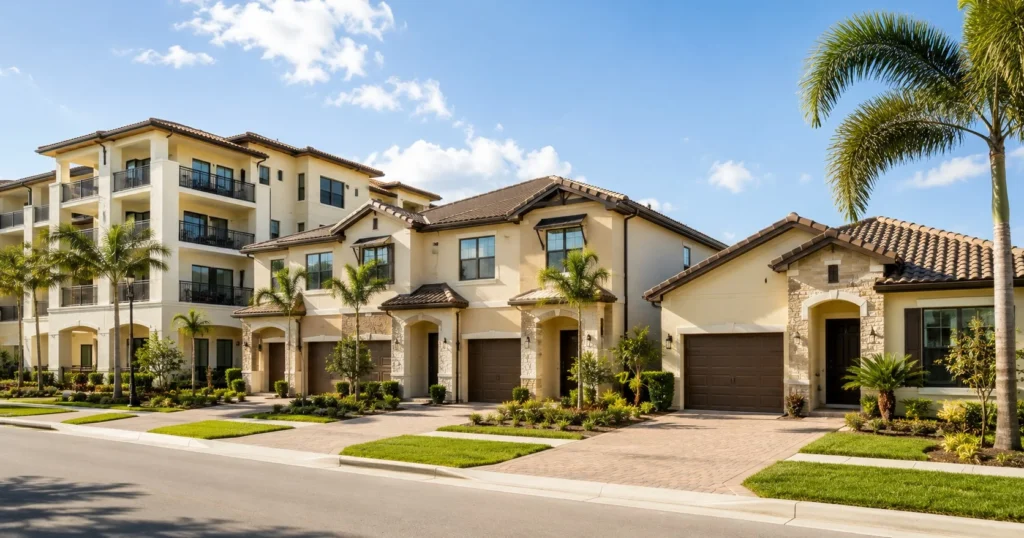
Florida’s modern developments introduce several housing types that help make low-maintenance living a reality:
- Condos: Most condos provide exterior, landscaping and common area maintenance through the HOA. Residents focus only on their unit’s interior, giving them peace of mind and more free time.
- Townhomes and Villas: These homes offer privacy and individual entrances, with HOAs typically handling landscaping and shared space maintenance. Some even include exterior repairs in their service packages.
- Single-Family Homes with HOA Services: Several new communities deliver single-family homes with bundled maintenance plans. These often cover lawn care, pest control and periodic exterior updates, eliminating most outdoor chores for homeowners.

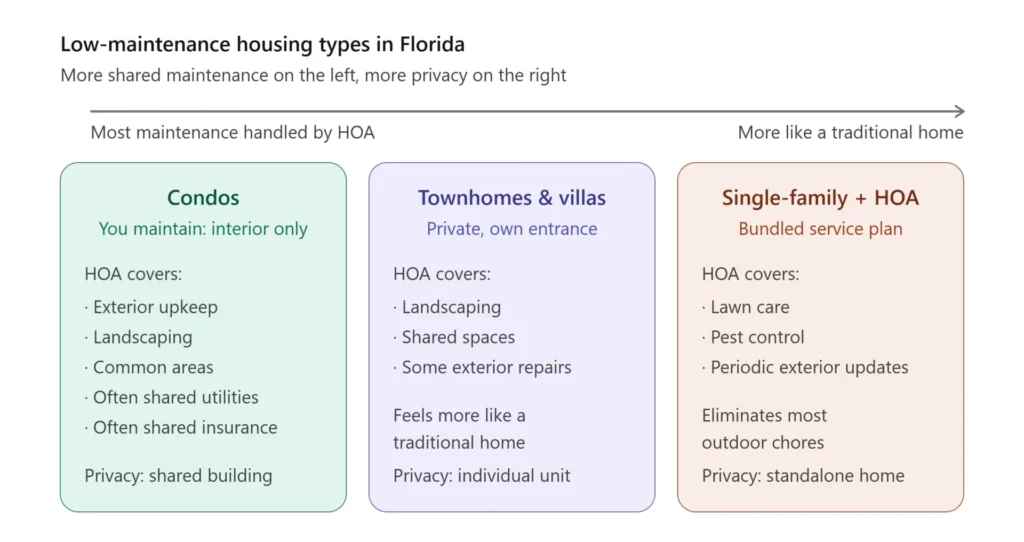
Each style has it’s advantages. The right choice depends on your desired level of privacy, your square-footage requirements and your interest in shared amenities. Condo living, for example, can mean utilities and insurance are shared, while townhomes and villas can feel more like traditional homes but with much less maintenance.
Understanding HOA Responsibilities

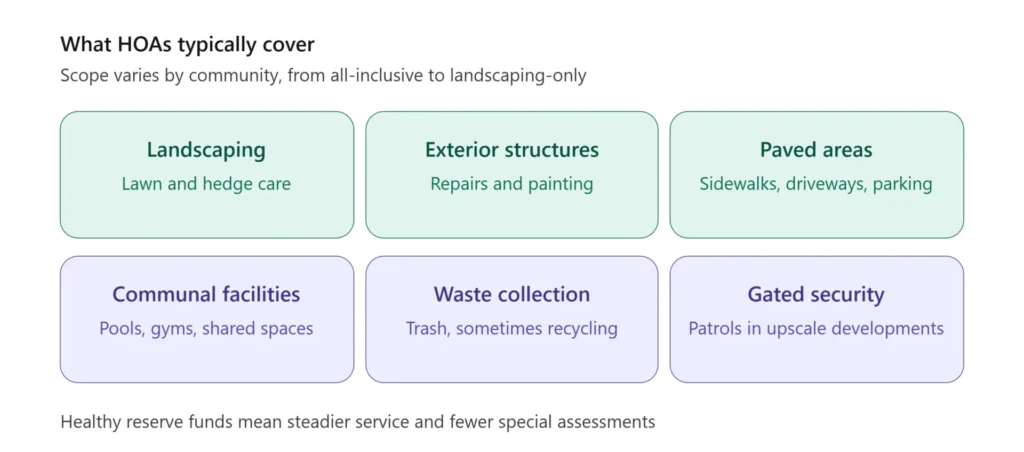
Before choosing a home in a low-maintenance community, it is essential to examine exactly what the HOA covers. The scope of HOA services can differ from one neighborhood to another. Some provide all-inclusive packages, while others focus solely on exterior landscaping or community amenities.
- Landscaping, lawn and hedge care.
- Repairs and painting of exterior structures.
- Upkeep of sidewalks, driveways and parking areas.
- Maintenance of swimming pools, gyms and other communal facilities.
- Trash collection and sometimes recycling services.
- Gated security and patrols in more upscale developments.
Reviewing HOA bylaws and financial reserves will provide insight into their stability and reliability. Communities with healthy reserve funds tend to deliver more consistent services and are less likely to require special assessments.
Amenities in Modern Communities
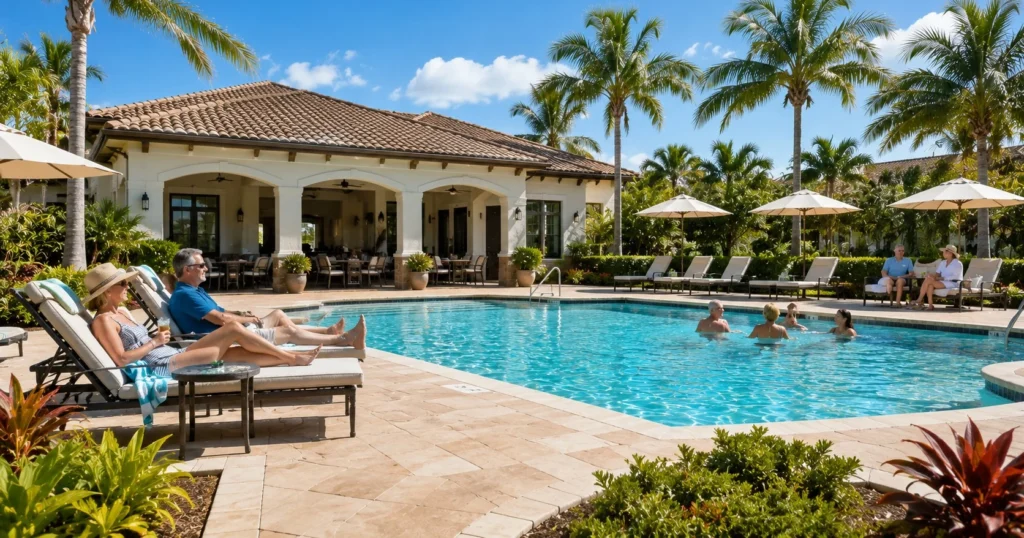
A defining feature of Florida’s low-maintenance developments is their extensive amenities, designed to enrich resident’s experiences. These often include:
- Resort-style swimming pools and sundecks.
- Fitness centers and group classes.
- Walking, biking and nature trails.
- Clubhouses with meeting rooms and social event spaces.
- Golf courses and tennis courts.
Many communities are “lock-and-leave,” offering peace of mind for seasonal residents or frequent travelers. These amenities help residents stay active and social, while the community team manages the upkeep.
Financial Considerations

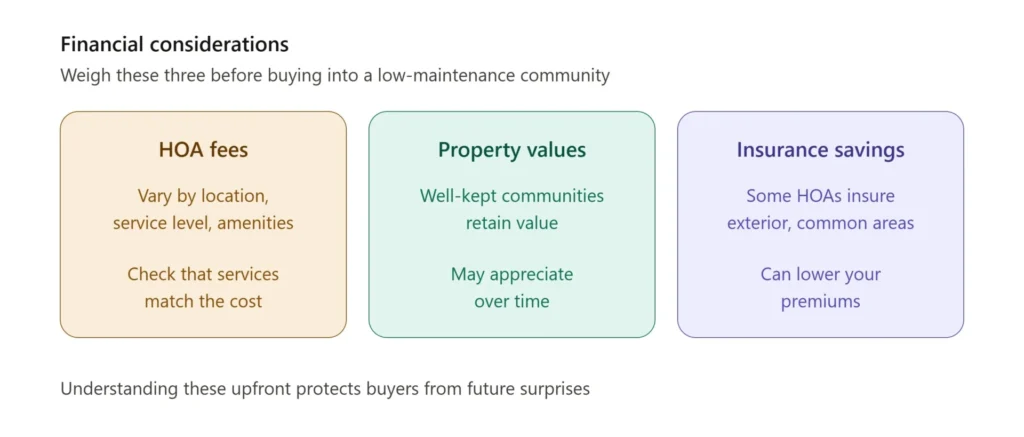
While the benefits of low-maintenance living are clear, understanding the financials is just as important.
- HOA Fees: Fees can range considerably depending on location, service level and amenities. Always evaluate whether the services match the costs.
- Property Values: Well-kept, low-maintenance communities with comprehensive services often retain value well and may experience appreciation over time.
- Insurance Savings: Some HOAs provide insurance for the exterior or common areas, which can lower homeowner insurance premiums. This detail is significant when budgeting.
Understanding these factors upfront protects buyers from future surprises and helps ensure a smooth transition into low-maintenance living.
Choosing the Right Community
Careful research and self-assessment are necessary when selecting the right low-maintenance community in Florida. Here are key steps to follow:
- Assess Your Lifestyle Needs: Decide what is most important (amenities, proximity to family, activities) and narrow your search to communities that support those goals.
- Understand the HOA: Read the HOA bylaws and review annual financials, meeting minutes and rule enforcement to ensure alignment with your expectations.
- Tour Several Communities: Visit different neighborhoods to compare lifestyle, maintenance offerings and key features. Check for atmosphere and overall resident satisfaction.
- Talk with Residents: Seek firsthand knowledge from current homeowners about their experiences with management, maintenance reliability and the overall sense of community. Their insight can be invaluable when making a final decision.
Conclusion
Low-maintenance living empowers Florida residents to spend more time doing what they love and less on home upkeep. With a clear understanding of community options, HOA responsibilities, amenities and budgeting, you can confidently select a neighborhood that fits your lifestyle and priorities. This lifestyle shift promises less hassle, more enjoyment and greater peace of mind, allowing you to make the most of everything Florida has to offer. Many communities also offer services such as landscaping, exterior maintenance and shared amenities, further reducing homeowner’s daily responsibilities. This makes it especially appealing for retirees, busy professionals and families seeking convenience and simplicity. In addition, well-planned neighborhoods often foster a strong sense of community through social events and shared spaces. By choosing the right environment, residents can enjoy both comfort and convenience while maintaining financial predictability and long-term quality of life.