


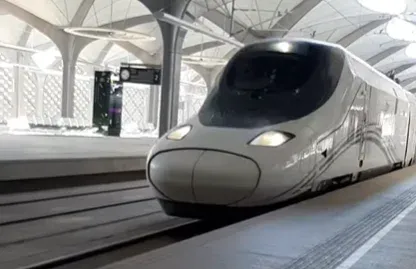
The Haramain High-Speed Railway covers 449.2 kilometers from Madinah to Makkah in 2 hours and 20 minutes. Economy class tickets cost SAR 150-225, while SAPTCO buses charge SAR 69-100 but take 4-5 hours. Private taxis run SAR 500-750 per vehicle and take just as long as buses.
The decision is simple: pay more for speed and comfort, or save money and add 2-3 hours to your journey.
Full Cost Comparison

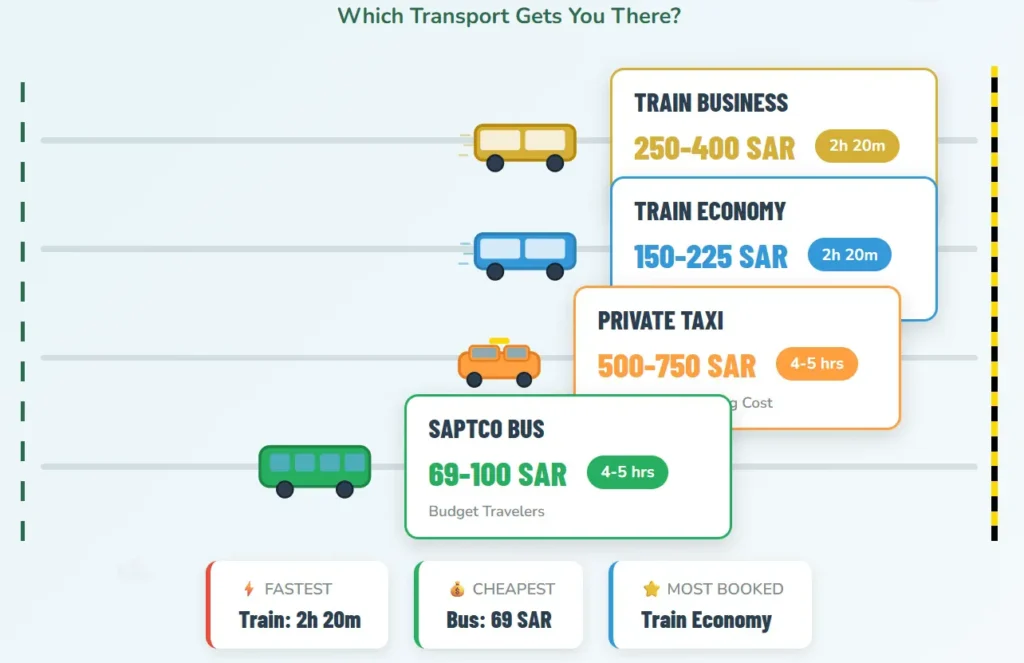
Business class doubles the price but includes wider seats, lounge access, and snacks. Most pilgrims book economy.


The Hidden Station Costs
Train ticket prices don’t include getting to or from the stations. Both stations are located outside the central mosque areas.
Madinah Station: 9 km from Masjid al-Nabawi
- Taxi: SAR 50-60
- Official shuttle: SAR 11.50
- Travel time: 15-20 minutes
Makkah Station (Al Rusaifah): 6-8 km from Masjid al-Haram
- Taxi: SAR 20-30
- Shuttle/bus: SAR 3-5
- Travel time: 10-15 minutes
Your actual total cost for train travel:
- Economy ticket: SAR 150-225
- Station taxis (both ends): SAR 70-90
- Total: SAR 220-315
Compare this to a SAR 69 bus that drops closer to the Haram area, and the “cheap train option” suddenly costs 3-4 times more than advertised.
Who Actually Uses This Train

The railway hit 20 million total passengers by November 2024, six years after opening in October 2018. Usage has grown fast:
- 2022: 3.67 million riders
- 2023: 6.97 million riders (90% increase)
- 2024: Continued peaks, crossing 20M cumulative
- Ramadan 2025: 48,000 passengers daily (peak day record)
- Hajj 2025: 1.2 million pilgrims used the train
The majority in Madinah to Makkah train are Umrah and Hajj pilgrims, especially during Ramadan and Hajj seasons when frequency jumps from 10-12 trains daily to 20+ trains with departures every 30-60 minutes.
Saudi residents traveling for business or family visits also use it, but pilgrims make up the bulk of ridership during peak months.
What Travel Looked Like Before October 2018
Before the Haramain Railway opened for public service on October 11, 2018, there were two options:
SAPTCO buses: The standard choice for most pilgrims. Travel time ranged from 4-8 hours depending on traffic, rest stops, and season. During Hajj, buses could take even longer due to road congestion. Tickets were cheap (similar to today’s SAR 69-100 range), but the journey was exhausting for elderly travelers and families with children.
Private taxis or hired cars: Faster than buses at 4-6 hours but expensive, especially for solo travelers or small groups. Costs ran SAR 500-800 depending on negotiation and demand.
Historically, before the 1900s, pilgrims traveled by camel caravans, horses, or on foot. Those journeys took weeks or months. The Hijaz Railway (1900s-1920s) connected Damascus to Madinah but never reached Makkah, so the final leg was still done by animal or later by car.
The 2018 train launch cut travel time by more than half and eliminated highway traffic stress, though at a higher price point than buses.
Train Schedule and Frequency
Trains run daily with varying frequency based on season:
Off-Peak Season:
- 10-12 trains per day (each direction)
- Departures every 60-90 minutes
- Operating hours: ~7:00 AM to 11:00 PM
Peak Season (Ramadan, Hajj, Umrah holidays):
- 15-20+ trains per day
- Departures every 30-60 minutes
- Extended hours: 6:00 AM to midnight
Sample Madinah to Makkah departure times (varies by date):
| Departure Time | Arrival Time | Duration |
|---|---|---|
| 07:00 AM | 09:15 AM | 2h 15m |
| 10:00 AM | 12:20 PM | 2h 20m |
| 02:00 PM | 04:20 PM | 2h 20m |
| 06:00 PM | 08:15 PM | 2h 15m |
| 09:00 PM | 11:20 PM | 2h 20m |
Check current schedules at sar.hhr.sa/timetable as times adjust seasonally.
Booking Your Ticket
Where to book:
- Official website: haramainrailway.com
- Mobile app (available on iOS and Android)
- Ticket counters at train stations
- Authorized travel agents
Pricing details:
- Economy: SAR 150-225 (standard fare)
- Business: SAR 250-400
- Promotional fares: As low as SAR 85-150 during off-peak times if booked early
Prices fluctuate based on demand. Booking 3-7 days in advance usually gets you the lower end of the range. Last-minute tickets during Ramadan or Hajj can hit the upper limits or sell out completely.
Important booking notes:
- Use exact name as shown on passport
- Save digital copy of ticket to your phone
- Arrive 30-45 minutes before departure for security screening
- Children under a certain age may get discounts (check current policy)
During peak seasons (Ramadan, Hajj, school holidays), tickets sell out days in advance. Book as early as possible or risk having no seats available.
Luggage Rules
Each passenger is allowed:
- 1 large suitcase (wheeled recommended)
- 1 small hand bag or backpack
Oversized luggage or unusual items may be rejected at security. If carrying Zamzam water, check current regulations as rules change periodically.
Label all bags clearly with your name and contact information. Keep valuables, travel documents, and prayer items in your hand bag.
Onboard Experience
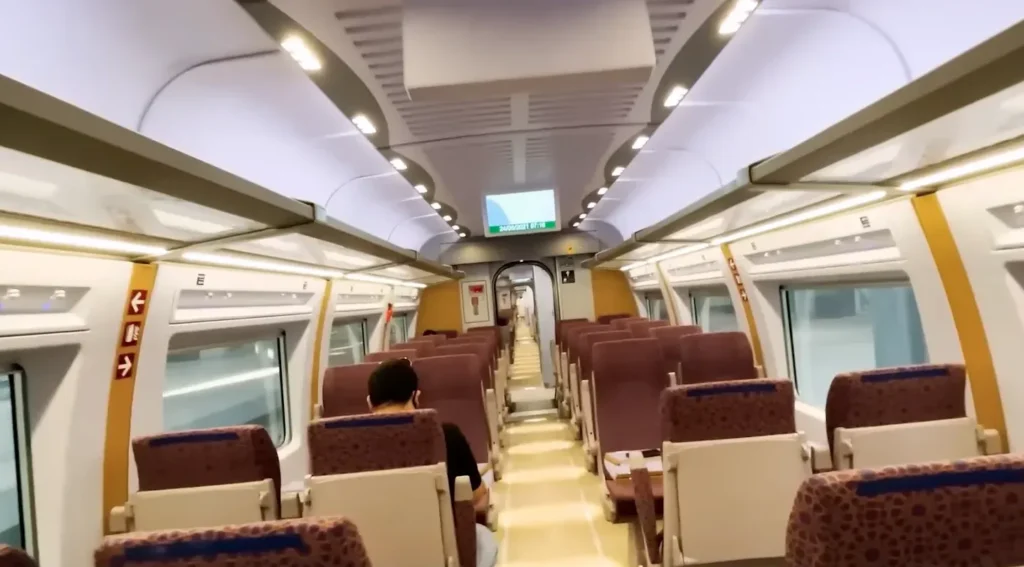
Train coaches are clean, temperature-controlled, and designed for comfort. Seats are assigned (no standing allowed), and each coach has:
- Clean restrooms
- Luggage storage areas
- Reading lights
- Power outlets (some seats)
- Clear announcements in Arabic and English
Food service is limited. Bring light snacks and water for the journey.
The ride is smooth with minimal noise. Trains maintain punctuality above 95%, meaning delays are rare.
When to Travel
Best times to avoid crowds:
- Early morning departures (7:00-9:00 AM)
- Late evening departures (after 8:00 PM)
- Weekdays outside of Ramadan and Hajj
Busiest times:
- Ramadan evenings (everyone wants to reach Makkah for Taraweeh)
- Weekends during Umrah season
- Days leading up to Hajj
If your schedule is flexible, traveling on weekdays saves you from packed trains and makes the boarding process faster.
Is the Train Worth the Extra Cost?
For elderly pilgrims, families with children, or anyone who values time and comfort, the train is worth SAR 150-225. You save 2-3 hours, avoid highway traffic, and arrive less exhausted.
For budget-conscious solo travelers or small groups with tight finances, SAPTCO buses at SAR 69-100 do the same job for less money. The trade-off is time and comfort.
Private taxis make sense only if you’re splitting the SAR 500-750 cost among 4-6 people, which brings per-person cost close to train prices while offering door-to-door service.
Run the math based on your group size:
- Solo traveler: Bus is cheapest
- 2 people: Train is faster, not much more expensive than 2 bus tickets
- 4-6 people: Taxi might match train cost while being more convenient
- Elderly or families: Train reduces physical strain significantly
The train has become the preferred option for millions of pilgrims since 2018, with ridership doubling between 2022 and 2023. That growth suggests most travelers find the speed and comfort worth the premium over buses.