


A house tends to ask for attention quietly long before it ever shouts. Small drips, faint creaks, and slow stains rarely look urgent in the moment, yet those tiny signals are usually the early chapters of a much bigger and pricier story. Homeowners in Pompton Lakes, NJ, who pay attention to those signals early often spend a fraction of what they would have spent waiting for things to fail.
Preventative maintenance is essentially a habit of listening to your home, walking through it with intention, and addressing minor wear before it grows into a real headache.
Keep an Eye on the Pipes
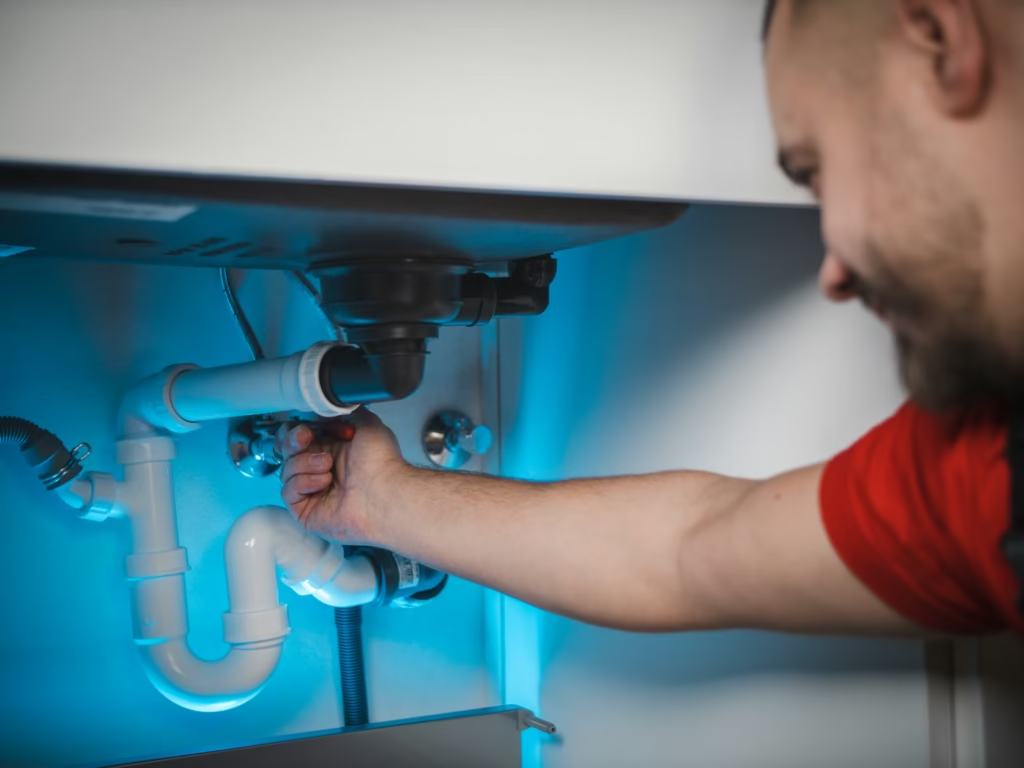
Plumbing problems are sneaky because most of the system is hidden inside walls, under floors, and behind cabinets. By the time a stain appears on the ceiling or a strange smell drifts up from the basement, the underlying issue has often been growing for weeks or even months. A quick check under sinks, around toilets, near the water heater, and along visible supply lines can reveal early signs of trouble like greenish corrosion, soft spots, slow drips, or warped wood.
It also helps to know how your main shutoff valve works and to test it once or twice a year so it does not seize up.
Listen for running water when nothing is in use, since a faint hiss can hint at a hidden leak. If a fixture starts gurgling, draining slowly, or rattling, that is your home asking for a closer look before something gives way.


Some plumbing issues, though, sit beyond the reach of a simple home checklist. Hidden leaks behind walls, sewer line concerns, low pressure across the whole house, or recurring clogs that come back no matter what you try usually point to something deeper in the system. In those cases, hiring local plumbers in Pompton Lakes, NJ for an assessment is the smartest move. These professionals can pinpoint the source and address it before water damage starts compounding into thousands of dollars in repairs.
Pay Attention to the Roof and Gutters
Few parts of a home work harder than the roof, and few are ignored more often. Because most of it sits out of sight, small problems tend to grow quietly until they show up as stains on a bedroom ceiling. A simple visual check from the ground with binoculars, done a couple of times a year, can catch curling shingles, missing tabs, lifted flashing, or sagging spots before they turn into leaks.
Gutters deserve the same kind of patient attention. When leaves and grit pile up, water has nowhere to go and starts spilling against the siding or pooling near the foundation. That overflow is one of the leading causes of basement seepage, rotted fascia boards, and cracked walkways.
Cleaning the gutters in late spring and again after the leaves drop, then checking that downspouts carry water several feet away from the house, is one of the cheapest and most effective habits a homeowner can build.
Take Care of the Heating and Cooling System

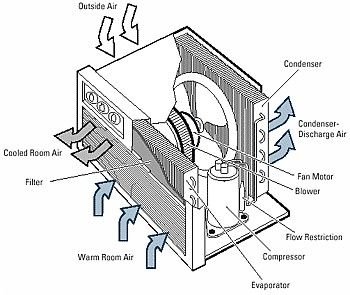
A yearly tune-up by a qualified technician is also worth its weight in gold. They can clean the coils, check refrigerant levels, test electrical connections, flush condensate lines, and catch worn parts that are about to fail. Outside, the condenser unit appreciates a little breathing room, so keep shrubs trimmed back and clear away leaves or grass clippings that can clog the fins. A well-looked-after system runs quieter, lasts longer, and almost never surprises you with an emergency call on a holiday weekend.
Watch the Electrical and Safety Systems
Electrical issues do not always announce themselves with sparks. More often, they whisper through warm outlets, breakers that trip more than they used to, lights that flicker when an appliance kicks on, or a faint scorched smell near a switch. Any of those signs is worth investigating sooner rather than later, since electrical faults are a leading cause of house fires, and they tend to worsen over time.

Safety devices need their own routine. Test smoke alarms and carbon monoxide detectors every month, replace the batteries at least once a year, and swap the units themselves when they reach the end of their service life. Walk through the house and check that fire extinguishers are still in the green, that surge protectors are not overloaded, and that exterior outlets have working covers.
Stay Ahead of Small Indoor Wear
Inside the home, the difference between a long-lived finish and an early replacement often comes down to small habits. Reseal grout lines in showers and around tubs when they start looking tired, since a thin bead of fresh sealant blocks the slow soak that ruins subfloors. Touch up paint where moisture tends to collect, and watch for dark spots near ceilings or in corners that could hint at a leak above.
Appliances last longer when they are kept clean and balanced. Pull out the refrigerator once a year and vacuum the coils, run a cleaning cycle through the dishwasher and washing machine, and clear lint from the dryer vent line all the way to the outside hood. That last one is especially important, since a blocked dryer vent is both a fire hazard and a quiet drain on efficiency. Each of these tasks takes minutes, and together they push the replacement clock years into the future.
A home that gets a little attention every season is a home that rarely sends shocking bills. The work itself is rarely glamorous, and most of it goes unnoticed by anyone outside the family, but the steady savings show up in lower utility costs, longer-lasting systems, and the deep peace of mind that comes from knowing nothing is silently falling apart behind the walls.