


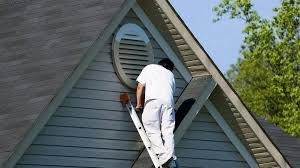
The first sign is usually visual, nothing dramatic, just a slow slide. Paint fades unevenly, not all at once one wall looks dull, another still holds color. Then you notice chips near the trim, small at first, then wider, then flaking. It doesn’t fix itself. Siding might warp slightly, barely visible unless the light hits it sideways, but once you see it you keep seeing it.
Gutters sag a bit, not enough to fall, just enough to suggest something’s off. People walk past your house and don’t stop, not because it’s bad exactly, just tired. That’s often how it starts. Not broken. Worn.
But worn keeps going.
Small Damage That Doesn’t Stay Small

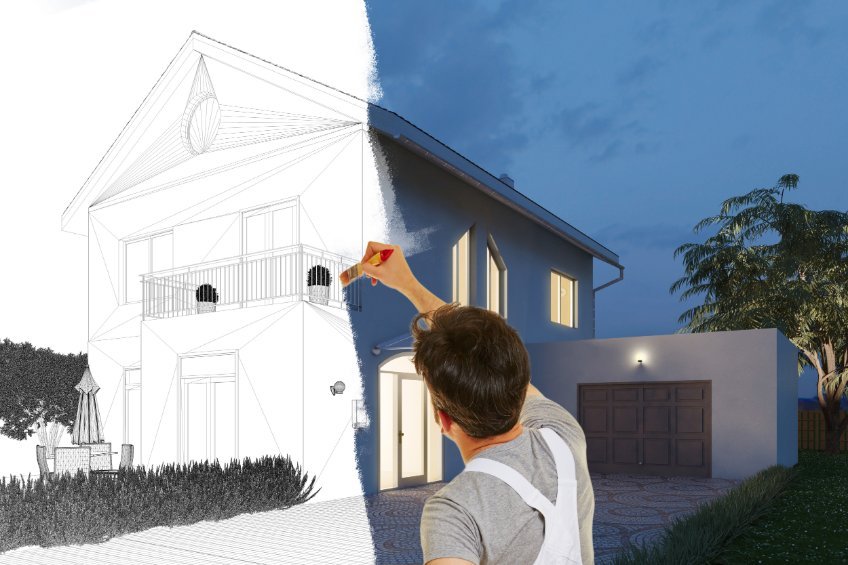
A crack in the siding, then moisture gets in. Wood swells, dries, splits again. Paint peels faster there. You patch it maybe, but patches rarely match, plus they stand out more than the original flaw. Shingles on the roof begin curling or lifting at edges; wind catches them easier next time. You think it’s isolated, yet usually it isn’t. Problems cluster. One loose section leads to another. Maintenance turns into repetition fix, wait, fix again. Costs add up quietly, spread out enough to ignore. Until they don’t.
To know more, you can look up roof replacement near me to understand options. Start by checking, comparing, and seeing if the situation is still manageable or already slipping past simple repair.
Weather Leaves a Record
Your exterior tells a story of every season it’s been through. Sun bleaches color, rain leaves streaks, snow melts and refreezes into tiny fractures you don’t notice until they widen. Wind loosens fasteners. Storms hit harder than you remember them being. After a while, the house looks like it’s been through something, even if nothing major happened. That accumulation matters more than any single event.
And sometimes you hear it. A faint rattle during wind, a drip where there shouldn’t be one. Not constant. Intermittent. That’s worse in a way, harder to pin down, easier to ignore.
Energy Bills Start Creeping

You don’t connect it right away. Heating costs rise a little, cooling takes longer. The system runs more often. You assume it’s seasonal variation, but over time the pattern shifts. Insulation might still be fine inside, yet the exterior envelope the siding, roof, seals has gaps now. Tiny, scattered, enough to matter collectively. Air moves where it shouldn’t.
Windows might still look intact, but frames expand and contract, seals weaken. Doors don’t close as tight. Drafts show up in corners. Not dramatic. Just persistent.
Repairs Become Routine
At some point, you realize you’ve fixed the same kind of issue more than once. Caulking redone, paint retouched, shingles replaced in small sections. It feels like maintenance, but it’s edging into something else. There’s a difference between upkeep and holding things together.

Contractors start giving you that look—not alarmist, just practical. They’ll fix what you ask, sure, but they mention the bigger picture almost in passing. “This might keep happening.” That phrase lingers.
The House Looks Older Than It Is
Age isn’t always about years. Two houses built the same year can look completely different now. One maintained, updated gradually; the other left mostly as-is. The second one doesn’t just look older, it feels it. Even if structurally sound, the exterior signals decline. Buyers notice this fast, neighbors too. It affects perception before anyone steps inside.
And it’s not just resale value, though that matters. It’s how you feel pulling into your own driveway. If the place looks like it’s slipping, you feel that. Subtle, but there.
Materials Reach Their Limit

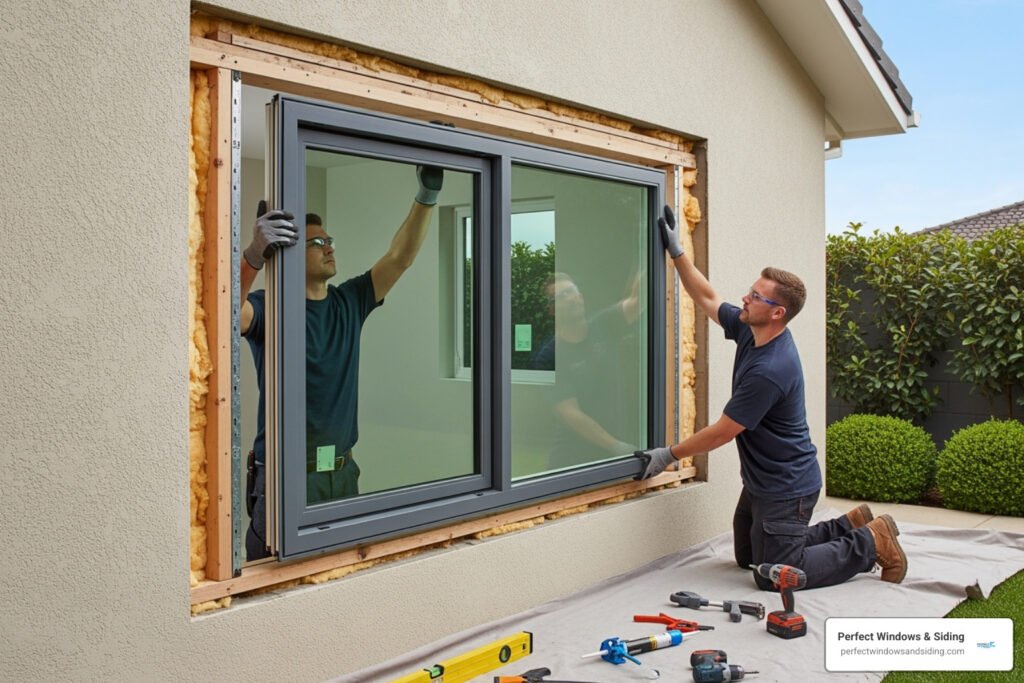
Everything has a lifespan. Paint lasts a number of years, siding longer, roofing materials vary but none are permanent. You can stretch them with care, yet eventually they hit a point where repair is less effective than replacement. Not all at once. Different parts fail at different times, which makes decisions harder.
You might replace a section of roof, then another, then realize the rest isn’t far behind. Same with siding. Partial updates can work, but they sometimes highlight the contrast between new and old.
Moisture Shows Up Where It Shouldn’t
This is the one people take seriously. Water inside walls, stains near ceilings, mildew smells. Exterior failure often shows itself through moisture problems first. The outside stops keeping things out. Once that barrier weakens, damage accelerates. Wood rot, insulation breakdown, even structural issues if left long enough.
You don’t always see the entry point. Water travels. It appears somewhere else entirely. That makes it tricky, sometimes misleading.
You’re Thinking About It More Often
This isn’t technical, but it matters. If you keep noticing the same issues, if you hesitate before inviting people over, if you mentally list what needs fixing every time you look at the house—that’s a signal. Not urgent maybe, but real.
Decisions often happen here. Not because something failed catastrophically, but because the accumulation reached a threshold.
The Cost Equation Shifts
Repairs feel cheaper in the short term. They usually are. But repeated repairs, plus rising energy costs, plus the risk of hidden damage—those add up. At some point, replacing larger sections or upgrading materials becomes more efficient. Not cheap, just more sensible over time.
Contractors might start suggesting bundled work. Roof plus gutters, siding plus insulation upgrades. It sounds like upselling, sometimes it is, but often it’s about addressing connected systems together.
Curb Appeal Drops, Quietly
There’s no single moment when a house loses curb appeal. It fades. Colors dull, lines lose sharpness, details blur. Landscaping can’t fully compensate. The structure itself needs attention.
People might not say anything directly. They don’t have to. You can tell by how the house compares to others nearby. Not in a competitive way, just observable difference.
When It’s Time
There isn’t one clear sign. It’s a mix visual wear, repeated repairs, energy changes, moisture concerns, that ongoing sense something’s off. You don’t need all of them. A few, persisting, are enough.
Upgrading the exterior isn’t just cosmetic. It resets the protective layer of the house. It stabilizes things. Sometimes it even simplifies life fewer small fixes, fewer surprises.
And yes, it’s a big step. But waiting too long tends to make it bigger.