



Balancing a comfortable lifestyle with a changing economic landscape has become a priority for many Australians. It is no secret that household expenses have crept up recently. recent data from the Australian Bureau of Statistics reveals annual rises of up to 4.2 percent across various household types, with housing, energy, and food acting as primary drivers. While we cannot control global economic shifts, we can absolutely control our daily habits.
By implementing a few strategic tweaks to your everyday routine, you can maintain your current lifestyle without feeling the constant pinch of rising costs.
Streamline Your Utility Bills

One of the most effective ways to lower your monthly outgoings is to look closely at your non-negotiable expenses, such as water, gas, and electricity. Instead of paying quarterly bills without a second thought, start by comparing energy providers at least once a year to ensure you receive the most competitive rate available in your state.
Beyond just finding a cheaper provider, look closely at how you pay these bills and consume energy.
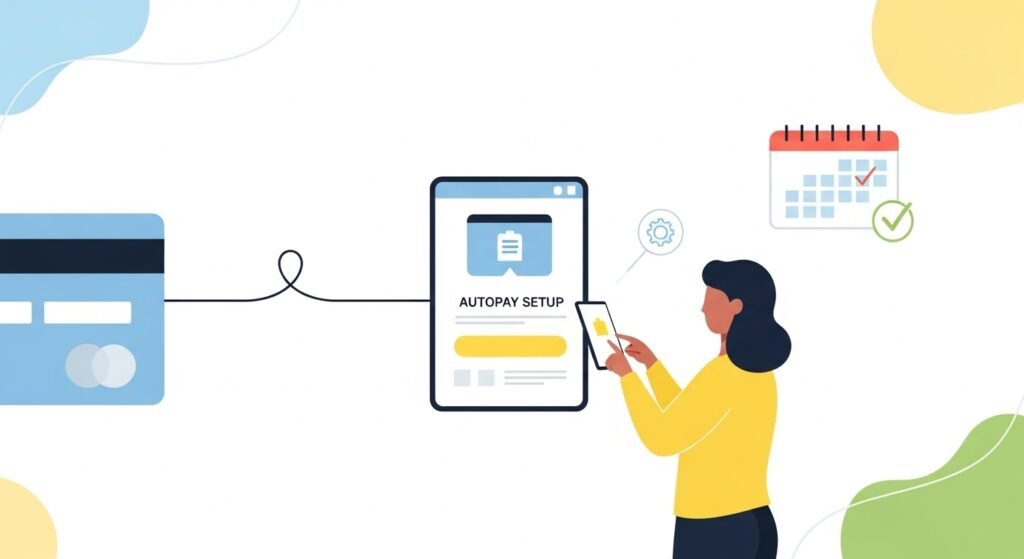
Simple changes, like switching off appliances at the wall and running the washing machine during off-peak hours, make a noticeable difference. Furthermore, many financial institutions offer excellent incentives for customers who automate their payments.
Rethink Your Weekly Grocery Strategy


Food is one of the biggest variable expenses in any household budget. Unlike fixed rent or mortgage payments, your grocery bill can be reduced significantly with just a little bit of forward planning. A structured grocery routine prevents food waste and curbs the temptation to order expensive takeout after a long day at work.
Consider adopting the following habits to optimise your weekly food shop:
- Plan your meals around seasonal produce: Fruits and vegetables that are currently in season are fresher and significantly cheaper than out-of-season imports.
- Embrace batch cooking: Dedicate a couple of hours on a Sunday to prepare bulk meals like curries or pasta bakes. Portion them out for work lunches to avoid buying costly cafe meals.
- Do a thorough pantry inventory before you shop: Many people end up buying items they already have simply because they did not check the back of their cupboards.
- Switch to generic brands for pantry staples: Items like plain flour, sugar, rolled oats, and tinned tomatoes taste virtually identical regardless of the brand name on the label.
Minimise Subscription Leakage
In the digital age, it is incredibly easy to sign up for a new streaming service or fitness app, only to forget about it later. This phenomenon, known as subscription leakage, can quietly drain hundreds of dollars from your bank account over a year. Because these payments are usually automated, they easily slip under the radar.
Take an hour this weekend to comb through your bank statements from the last three months. Highlight every recurring charge and ask yourself honestly if you genuinely get value from that specific service. If you only watch one show on a streaming platform, cancel the subscription as soon as the season wraps up. You can always reactivate your account later. Additionally, consider sharing family plans for music or entertainment services with your household members to split the monthly fee.
Embrace the Second-Hand Economy

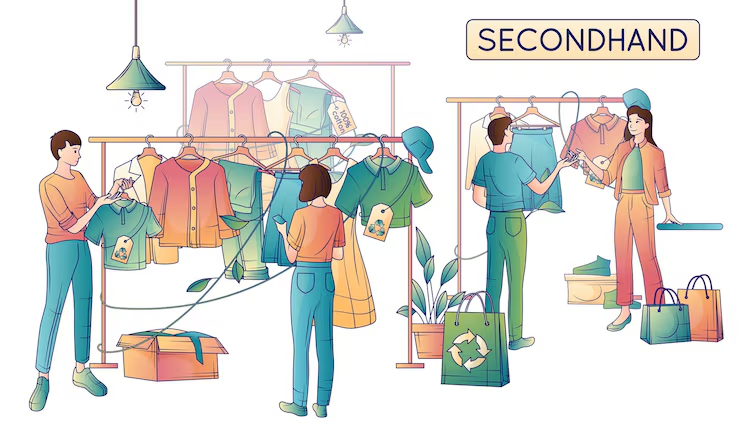
Maintaining a great lifestyle does not mean you have to buy everything brand new. Whether you are looking for clothes, solid timber furniture, or kitchen appliances, the second-hand market in Australia is booming. Online marketplaces, local thrift stores, and community swap groups offer incredible deals on high-quality items that have barely been used.
Shopping second-hand is not just a brilliant way to keep your living costs low. It is also an environmentally friendly choice that keeps perfectly good consumer goods out of local landfills. Before you click purchase on a full-priced item online, take five minutes to search for a pre-loved alternative. You might be surprised by the pristine condition and the massive discounts you can secure simply by choosing to buy second-hand.
Summary
Navigating a high cost of living environment does not require you to sacrifice the things you love or adopt a lifestyle of extreme frugality. By making smart, intentional choices about how you manage your essential bills, buy your groceries, and source your household goods, you can create a highly comfortable buffer in your budget. These small, everyday habits require minimal effort but yield substantial financial rewards. Ultimately, taking control of your daily spending gives you the freedom to focus on enjoying life rather than constantly worrying about the next bill.