



Spinal health plays a central role in mobility, comfort, and daily function. The spine supports body weight, protects the spinal cord, and allows a wide range of motion. When pain or structural problems develop, quality of life can decline quickly.
Medical progress has changed how spine conditions are evaluated and treated, offering patients more precise diagnostics and a broader range of solutions.
Modern treatment focuses on accuracy, tissue preservation, and long-term function. Patients benefit most when they understand how these innovations work and how each option aligns with their personal goals and overall health.
The Structure of the Spine and Why It Matters
The spine is a complex structure made up of vertebrae, intervertebral discs, ligaments, joints, and nerves. Each component works together to provide stability and flexibility. Discs act as cushions between vertebrae, absorbing shock during movement. Nerves branch out from the spinal cord and transmit signals throughout the body. Strong muscles and ligaments support alignment and posture.

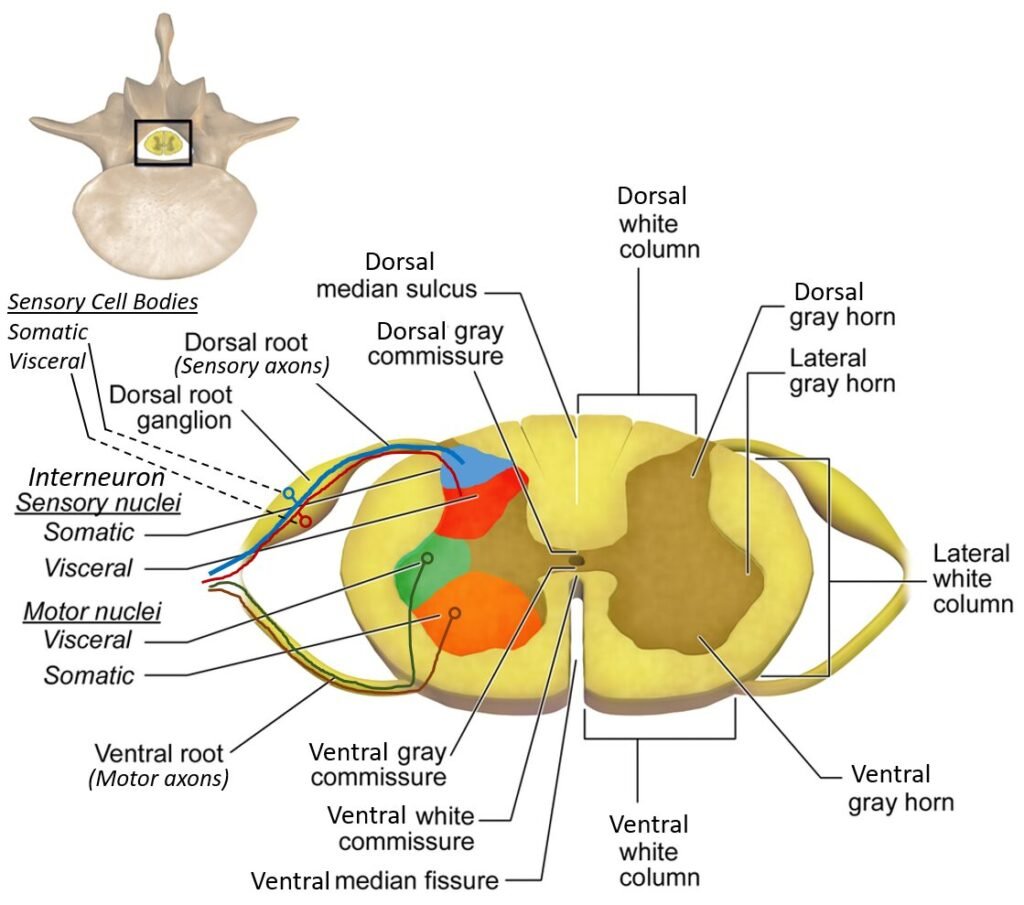
Degeneration, injury, repetitive strain, and aging can disrupt this balance. Herniated discs, spinal stenosis, and arthritis are common conditions that interfere with nerve function and movement. Pain, stiffness, numbness, or weakness often signal an underlying issue. Early evaluation allows physicians to identify structural changes before symptoms worsen.
Motion-Preserving Surgical Alternatives
Traditional spinal fusion has long been used to stabilize unstable segments of the spine. Fusion eliminates movement between vertebrae to reduce pain caused by instability or degeneration. While effective in selected cases, fusion limits flexibility at the treated level and may increase stress on adjacent segments over time.
Advances in surgical design have led to procedures that aim to preserve natural motion. Surgeons now focus on restoring function while maintaining flexibility whenever possible. Some of the non-fusion spine surgery options include artificial disc replacement and interspinous spacers. Other approaches include nucleus replacement procedures designed to relieve pressure while preserving natural spinal movement. Careful evaluation of spinal structure, symptom pattern, and overall health determines which of these approaches may offer the most appropriate and durable outcome.
Minimally Invasive Techniques
Minimally invasive spine surgery has reshaped operative care. Surgeons use smaller incisions and specialized instruments to access the spine while preserving surrounding muscle and tissue. Reduced tissue disruption often leads to less postoperative pain and faster recovery.
Advanced imaging and navigation tools guide these procedures with precision. Real-time visualization allows surgeons to operate through narrow pathways without compromising accuracy. Many patients experience shorter hospital stays and earlier return to daily activities. Patient suitability depends on the type and complexity of the condition. Some spinal disorders still require traditional open procedures for adequate correction. A thorough evaluation determines the safest and most effective approach.
Advanced Imaging Technologies

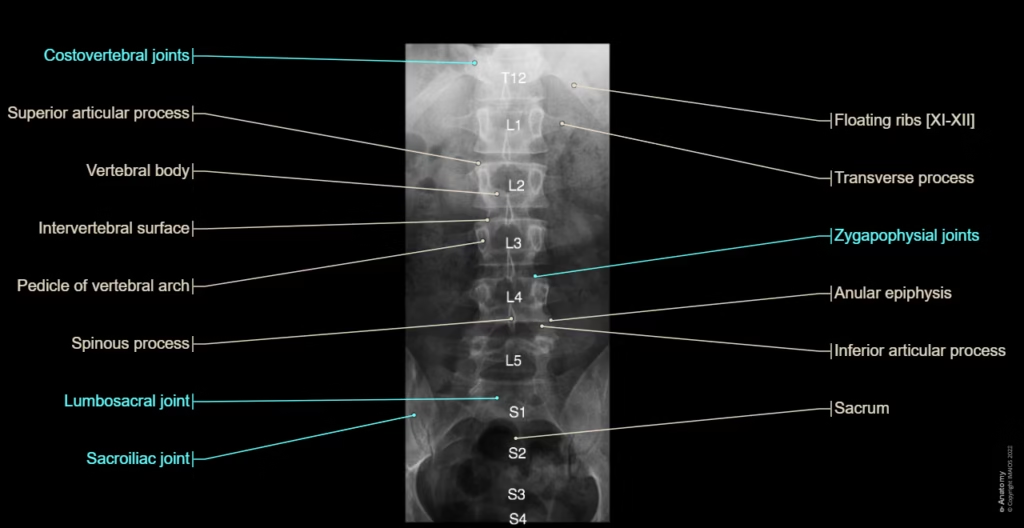
Precise diagnosis drives effective treatment. Modern imaging technologies provide detailed views of spinal structures, allowing physicians to pinpoint the exact source of pain. Magnetic resonance imaging reveals soft tissue, discs, and nerve involvement. Computed tomography offers detailed bone visualization. Digital X-rays assess alignment and structural stability.
Image-guided navigation systems assist surgeons during procedures. These tools enhance accuracy and reduce the likelihood of operating at the wrong level. Improved visualization supports more targeted interventions, which may reduce complication rates. Accurate imaging also helps avoid unnecessary surgery. When imaging findings correlate clearly with symptoms, treatment plans become more focused.
Regenerative Medicine Approaches
Interest in regenerative therapies has grown as researchers explore ways to repair damaged spinal tissue. Techniques such as platelet-rich plasma injections and stem cell therapy aim to support healing within degenerated discs. These treatments focus on stimulating the body’s natural repair mechanisms rather than removing or replacing structures.
Clinical evidence continues to evolve. Some patients report symptom improvement, particularly in the early stages of disc degeneration. Outcomes vary depending on the severity of structural damage and overall health. Realistic expectations remain important. Regenerative therapies may reduce pain and inflammation, yet they do not reverse advanced degeneration.
Pain Management Strategies
Effective spinal care often begins with structured pain management. Discomfort may stem from inflammation, nerve compression, or muscular imbalance. A focused plan addresses the source of pain rather than masking symptoms alone.
Non-opioid medications are frequently used to reduce inflammation and calm irritated nerves. Targeted spinal injections can deliver anti-inflammatory medication directly to the affected area. Nerve blocks help confirm the origin of pain while also offering relief. Radiofrequency ablation uses controlled heat to disrupt pain signals traveling along specific nerves.
Rehabilitation and Recovery Planning

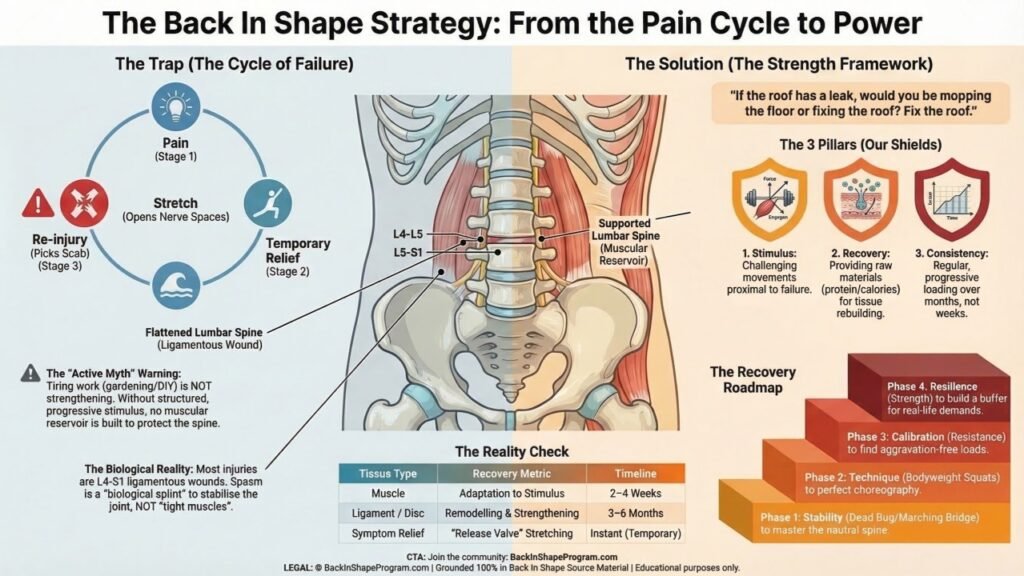
Recovery does not end after a procedure or injection. Structured rehabilitation strengthens supportive muscles and restores mobility. Physical therapy programs focus on core stability, flexibility, and posture correction. Strong abdominal and back muscles reduce stress on spinal structures and improve balance.
Therapists tailor exercises to the specific diagnosis and treatment performed. Gradual progression prevents strain while building endurance. Education about body mechanics helps patients avoid movements that could trigger recurrence. Lifestyle adjustments also influence recovery. Ergonomic workspaces, regular movement, and weight management support spinal health over time. Consistent follow-up ensures progress remains on track and setbacks are addressed early.
Choosing the Right Specialist and Treatment Plan
Selecting an experienced spine specialist is a critical step in the treatment journey. Board certification and focused training in spinal disorders provide reassurance about expertise. Experience with both surgical and non-surgical treatments allows for balanced recommendations.
Second opinions offer additional clarity, especially when surgery is proposed. Patients benefit from asking detailed questions about expected outcomes, potential risks, and alternative therapies. Clear explanations help build trust and reduce uncertainty. Shared decision-making strengthens the treatment process. Personal goals, activity level, and long-term expectations should guide final choices. A plan aligned with individual needs supports better satisfaction and functional results.
Spinal health requires thoughtful attention and informed decision-making. Advances in motion-preserving surgery, minimally invasive techniques, imaging precision, regenerative therapies, and comprehensive pain management have expanded treatment possibilities. Each innovation reflects a shift toward preserving function while reducing recovery time and long-term complications.
Patients who understand their condition and available options are better equipped to participate in their care. Clear communication with qualified specialists ensures that treatment plans reflect both medical evidence and personal priorities. A balanced approach that combines accurate diagnosis, targeted intervention, and structured rehabilitation offers the strongest path toward lasting spinal health.
Referances:
- https://www.ninds.nih.gov/health-information/disorders/low-back-pain
- https://www.mayoclinic.org/diseases-conditions/herniated-disk/symptoms-causes/syc-20354095
- https://www.hopkinsmedicine.org/health/conditions-and-diseases/spine-spinal-and-back-care
- https://www.niams.nih.gov/health-topics/back-pain
- https://my.clevelandclinic.org/health/treatments/17450-minimally-invasive-spine-surgery
- https://www.spine.org/KnowYourBack
- https://www.aans.org/patients/conditions-treatments/artificial-lumbar-disc/
- https://www.fda.gov/medical-devices/implants-and-prosthetics/artificial-disc-replacement
- https://www.ncbi.nlm.nih.gov/pmc/articles/PMC6145632/
- https://www.health.harvard.edu/pain/treating-chronic-back-pain-without-surgery