



Structured care is an essential foundation for adults with developmental disabilities, promoting meaningful independence, personal growth, and social inclusion. With consistent routines and personalized support, individuals can build daily living skills and find stability as they pursue enriched, self-directed lives. Families seeking specialized adult care in Michigan are discovering how structured programs can provide the unique supports needed for success and well-being.
Empowering adults with developmental disabilities is not solely about meeting daily needs. It is about creating environments that foster autonomy, confidence, and a sense of belonging within the broader community. Structured care programs use person-centered planning, dedicated health advocacy, and community opportunities to help transform lives beyond the basics of health and safety.
Providers and advocates continually innovate to integrate best practices and responsive services. These efforts enable people to overcome challenges while celebrating individuality. Support is also extended over a lifespan, adapting as individuals’ needs change, particularly through aging and life transitions.
Through specialized teams, resources, and family partnerships, high-quality structured care can bridge gaps in employment, community participation, and health. The success of these initiatives demonstrates the importance of collective advocacy and ongoing research.
Importance of Structured Care
Adults with developmental disabilities often experience greater comfort and success when routines are clear, predictable, and stable. Structured care environments offer this consistency, reducing uncertainty and anxiety, while establishing safe settings where individuals can learn and practice new skills. Regular schedules and clear expectations help participants build confidence and gradually take on more responsibility in their daily lives.
Consistent caregiving not only communicates reliability but also builds trust, creating a foundation for personal growth and emotional security. Individuals supported through these services gain the assurance needed to participate more actively in their own care, making positive strides toward independence and self-advocacy.
Person-Centered Planning

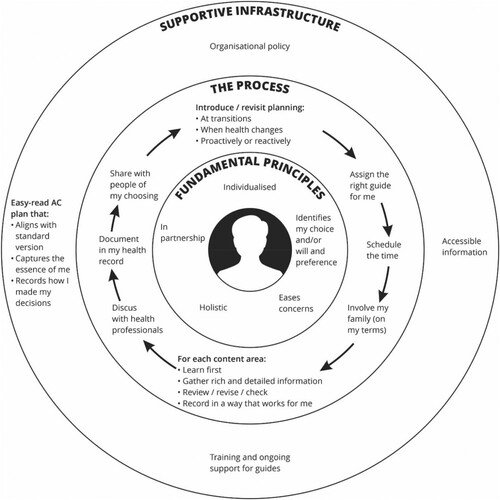
Central to innovative structured care is person-centered planning (PCP), which places the individual’s desires, strengths, and needs at the forefront of all support decisions. This approach rejects a “one-size-fits-all” model, opting instead for tailored plans developed with the full participation of the individual and their chosen advocates or family members.
PCP gives every person a voice in their own lives. Care teams collaborate with participants to set meaningful goals, address challenges, and ensure support evolves as needs change. When adults are part of these key discussions, they develop agency and a deeper sense of dignity and purpose.
Community Integration
The benefits of structured care go beyond the walls of a residence or classroom. True inclusion hinges on community integration, where adults with developmental disabilities are supported to join in activities, pursue interests, and develop relationships outside formal care settings. Community engagement breaks down barriers of isolation, improves social skills, and helps challenge outdated stereotypes.
Programs that partner with local businesses, arts organizations, recreation centers, or volunteer groups encourage participants to take on valued roles and expand their social networks. Recent coverage by the Washington Post Health section highlights how community ties are vital for overall well-being and feelings of acceptance for adults with intellectual and developmental disabilities.
Employment and Vocational Training


Economic opportunity is another transformative aspect of structured care. Employment and vocational training cultivate valuable skills and open pathways to financial independence. Across the country, innovative job programs are helping adults prepare for and enter the workforce by offering work-readiness courses, job-shadowing, hands-on internships, and continued career support once employed.
Collaborative examples, such as Massachusetts’s investment in employment services, show the power of focused funding and community partnerships. Vocational programs help not only with skill development but also improve self-esteem and encourage lifelong learning both on and off the job.
Health and Wellness Advocacy
Adults with developmental disabilities often face health disparities due to limited access or barriers in understanding the health system. Advocacy efforts in structured care environments ensure comprehensive, regular healthcare, including preventive screenings, therapies, and individualized wellness programs. Effective advocacy reduces unnecessary hospitalizations and helps prevent medication overuse.
Direct support staff receive specialized training to empower individuals and families, teaching healthy habits and advocating for every individual’s right to quality care. Recent discussions in major health publications underline the need for this advocacy to improve measurable health outcomes across this population.
Supporting Aging Transitions

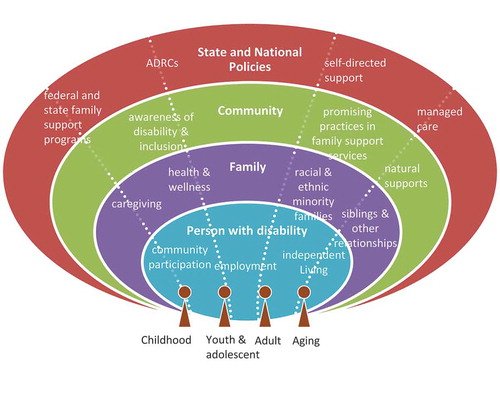
The needs of adults with developmental disabilities change over time, especially as they age. Structured care services must be flexible, planning proactively for shifts in physical health, mental well-being, mobility, and social engagement. Regular reassessment and adaptation keep care plans relevant, ensuring ongoing support for optimal quality of life.
Research-based guidelines and tools are available to help families and professionals navigate these transitions effectively. Continued education helps anticipate needs, prevent crises, and ensure a dignified aging process.
Empowering Through Technology
Technology brings new ways to foster independence and learning. Tools such as cognitively accessible apps, personalized communication devices, and visual resources empower individuals to manage daily routines, connect socially, and develop advocacy skills. The intentional design of these supports ensures everyone can engage and learn, regardless of cognitive differences.
Ongoing research into accessible technology emphasizes user-friendly interfaces and adaptive devices that accommodate a range of needs, further supporting autonomy and participation at all ability levels.
Conclusion
Structured care stands as a lifeline for adults with developmental disabilities, enabling them to navigate challenges, achieve goals, and discover their fullest potential. By drawing on evidence-based practices in person-centered planning, holistic health advocacy, community inclusion, and technology, care teams and families create supportive environments where dignity, independence, and purpose flourish.
Research Based References
- https://pmc.ncbi.nlm.nih.gov/articles/PMC9442779/
- https://doi.org/10.1177/10522263251326408
- https://link.springer.com/article/10.1007/s10882-025-10048-2
- https://journals.sagepub.com/doi/10.1177/15407969251322732
- https://link.springer.com/article/10.1007/s10926-019-09837-2
- https://www.researchgate.net/publication/375509749_Person-Centred_Planning_in_Centres_of_Activities_for_Inclusion
- https://www.tcd.ie/tcaid/assets/pdf/2019assessingtheimpact.pdf
- https://www.mdpi.com/2254-9625/15/9/170
- https://link.springer.com/article/10.1186/s12913-024-12009-5
- https://eujournal.org/index.php/esj/article/view/618/681