


Introduction
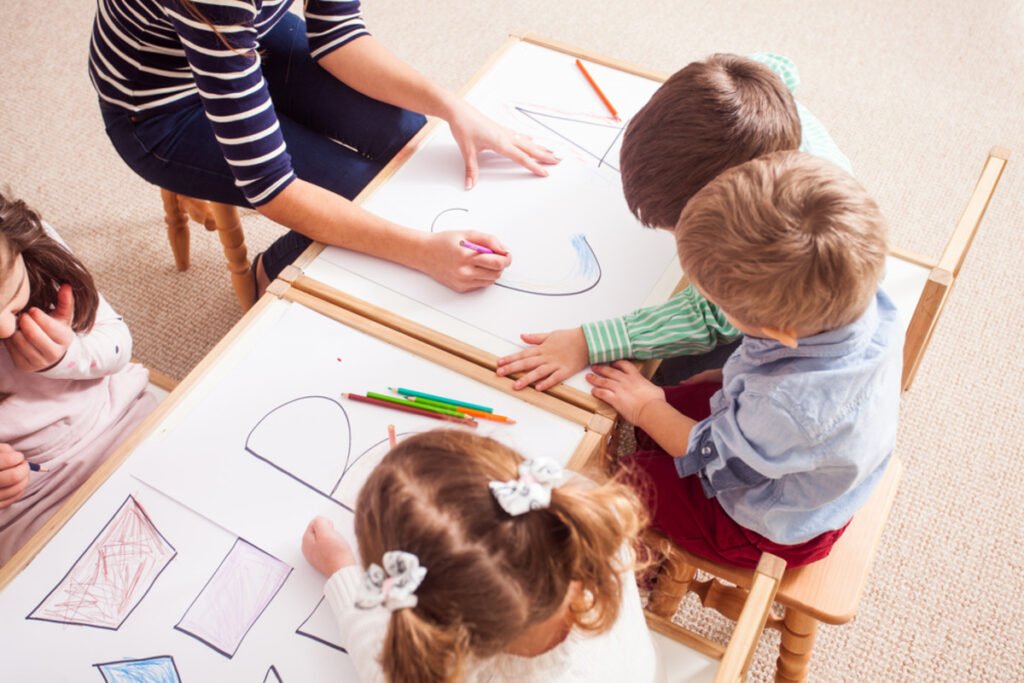
Harnessing the power of writing worksheets can genuinely transform the educational experience for first graders. These engaging tools act as a bridge between foundational skill-building and a love for learning, helping young minds build confidence as they take their first steps in academic discovery. When children dive into the mechanics of writing, worksheets provide the guidance they need to reach vital developmental milestones. For elementary educators seeking impactful resources, first grade lesson plans frequently include diverse writing exercises designed not only to reinforce classroom material but also to spark personal interest and motivation for learning.
Early exposure to writing activities fosters both curiosity and self-assurance in emerging learners. By incorporating themed worksheets directly related to daily lessons, educators can offer students opportunities to practice new skills in a format that feels both structured and creative.
This method supports holistic growth among first graders, ensuring improvements in physical, cognitive, and emotional domains. Moreover, encouraging hands-on practice cultivates an environment where children learn through active participation and discovery, turning writing time into a key part of their developmental journey.
Enhancing Fine Motor Skills
Writing worksheets are a key component in strengthening fine motor skills among first graders. The repeated motions of tracing lines, circling answers, connecting dots, or drawing shapes gradually increase dexterity, develop precise hand-eye coordination, and build essential muscle memory in young hands. These abilities are fundamental for tasks beyond writing and affect daily activities such as buttoning shirts, tying shoelaces, and using utensils properly.
Building Letter Recognition and Formation
One of the core benefits of writing worksheets is their pivotal role in establishing foundational literacy. By providing guided tracing and structured repetition, students practice both upper and lowercase letter shapes and associate each with its corresponding sound.
This process of reinforcement is vital, as mastery of the alphabet is directly linked to a child’s future reading fluency, spelling skills, and overall language confidence.
Worksheets can be tailored to focus intensively on specific letters, tricky phonics patterns, or even common letter combinations, ensuring every child gets targeted practice where they need it most. The gradual evolution of a child’s skills moving from tracing, to copying, to writing independently gives first graders a powerful sense of accomplishment and lays the groundwork for more challenging literacy tasks.
The flexibility of worksheet design enables teachers to introduce playful variations; for example, children might be prompted to find and color certain letters within words or connect pictures to the letters they represent. These types of multisensory approaches keep learning fresh and exciting, helping students stay engaged as they build confidence and familiarity with the building blocks of written communication.
Developing Sentence Structure and Grammar
As first graders become more comfortable with individual letters and basic words, the next developmental milestone is learning how to organize thoughts into complete sentences. Writing worksheets play a crucial dual role here, blending creativity with the need for rules by introducing fundamental grammar concepts such as punctuation, capitalization, and proper word order. Activities might include tasks like filling in missing words, reordering scrambled sentences, and correcting grammatical mistakes. All of these promote internalization of the conventions that make written language intelligible and clear. For more guidance on what first graders are expected to know at this stage, resources such as U.S. News Education offer helpful benchmarks.
Furthermore, writing worksheets often include vocabulary expansion through sentence generation exercises. For instance, students may be asked to create their own sentences from a set of vocabulary words or respond to visual prompts, which naturally incorporates new or thematic terms into their working vocabulary. The combination of structured review and creative construction not only enhances language proficiency but also empowers students to communicate more articulately in both academic and personal contexts.

Fostering Creativity and Self-Expression
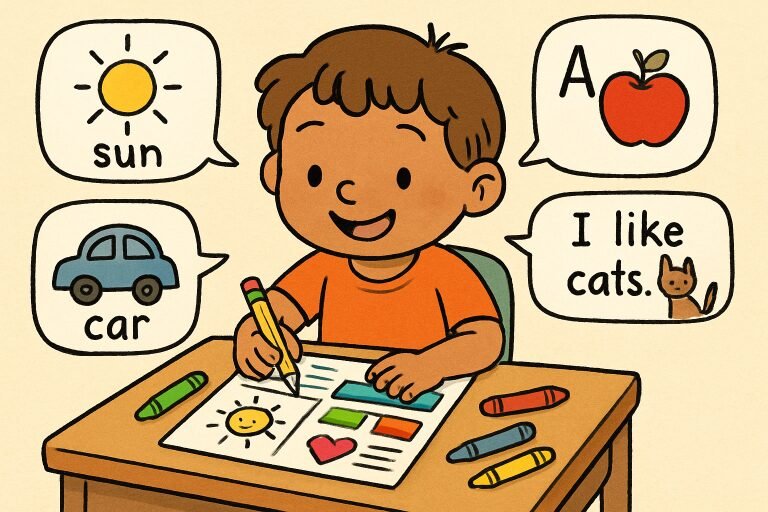
- The structured format of worksheets actually encourages creativity by providing a safe platform for experimentation.
- Prompts that ask children to illustrate a story ending, write about a favorite experience, or imagine a new character allow students to explore their thoughts openly while practicing essential skills.
- These activities nurture individualism and build storytelling abilities that will serve students well throughout their academic careers.
- Creative worksheets are also highly engaging, capturing the attention of even reluctant writers by tying literacy tasks to children’s interests.
- With a sense of play and imagination woven into practice, students are much more likely to develop a lifelong appreciation for expressing themselves through writing.
Improving Reading Comprehension
| Topic | Key Points |
|---|
| Connection Between Reading and Writing | Writing and reading are interconnected components of literacy development that support one another. |
| Instructional Activities | Worksheets that involve summarizing stories, answering comprehension questions, or rewriting story endings help strengthen understanding. |
| Skills Developed | These activities enhance understanding of plot, characters, sequence, and other narrative elements. |
| Cognitive Benefits | Hands-on writing tasks promote higher-order thinking and help children connect text to personal ideas and experiences. |
| Impact on Confidence | Reinforcing comprehension through writing builds confidence in first graders as they approach more complex texts. |
| Long-Term Growth | Repeated engagement with meaningful writing tasks helps children interpret new material more independently and accurately over time. |
| Academic Importance | The strong relationship between reading and writing supports success across all academic subjects that depend on language skills. |
Encouraging Independent Learning
The gradual shift from teacher-led, group-based instruction to more independent practice is a key characteristic of effective elementary education. Writing worksheets support this critical transition by inviting students to read instructions independently, complete tasks on their own, and then review or correct their work. Through these routines, children cultivate essential personal and academic skills such as time management, self-assessment, and perseverance.


As first graders become more comfortable working independently, they gain a sense of pride and ownership in their progress. This boost in confidence helps them form the positive self-image needed to approach future learning challenges with resilience and curiosity, making independent worksheet practice an essential building block for lifelong learning habits.
Supporting Parental Involvement
Parents play a vital and irreplaceable role in reinforcing classroom learning at home. Writing worksheets provide an accessible and effective way for families to participate in their children’s education without requiring specialized materials or training. Whether reviewing completed assignments or working together on new exercises, parents get a clear window into their child’s academic development, strengths, and areas that might need additional practice. This active engagement cultivates a deeper partnership between home and school, ensuring that children feel consistently supported in all areas of their lives.
When families use worksheets as a regular part of at-home learning routines, children benefit from continuity and encouragement. Parental involvement in this way has been linked to higher achievement and greater motivation in young learners, illustrating the long-term value of these flexible yet straightforward educational resources.
Conclusion
Writing worksheets are much more than just classroom activities—they are important educational tools that promote the development of essential skills in first graders. By offering a thoughtfully structured approach to handwriting, grammar, creativity, and reading comprehension, worksheets establish a robust foundation for children’s lifelong learning journey. Integrating writing exercises into both classroom instruction and home practice nurtures well-rounded growth, supporting both academic excellence and personal confidence. As first graders grow and advance, the benefits of these early writing experiences will continue to shape their path to future success.