



Maintaining independence is an important goal as people age, and home health aides (HHAs) play a crucial role in helping seniors remain in their homes. By providing hands-on care and daily support, HHAs allow older adults to sustain their autonomy and enjoy a familiar environment. For those searching for home health care NYC, there is a broad range of services and professionals available to help meet the unique needs of each individual.
Understanding the comprehensive support that home health aides offer can help families make informed decisions about care. Seniors who receive HHA services not only benefit from practical assistance, but they also enjoy greater confidence and security in their daily lives. As more families seek solutions for aging in place, the role of home health aides continues to expand and evolve, adapting to diverse needs and expectations.
The Role of Home Health Aides in Independent Living


Home health aides are trained professionals who support seniors and individuals living with disabilities by assisting with daily tasks. Their involvement goes far beyond basic chores. HHAs help clients stay safe, manage chronic health concerns, and engage more fully in life. According to a report from AARP, aging in place is a top preference for many older adults, and professional home care services make this option feasible for more households.
With the support of a home health aide, seniors can maintain control over their routines and environment, stay socially connected, and avoid unnecessary hospital stays or institutional care. The peace of mind that comes with reliable assistance can also soothe concerned family members who want to support their loved one’s choices.

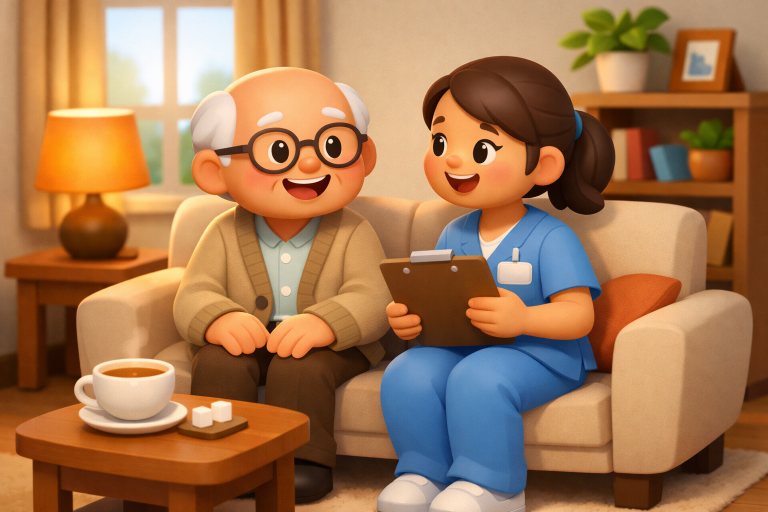
Services Provided by Home Health Aides
HHAs deliver a variety of tailored services to meet the unique needs of each client. Among the core responsibilities are:
- Personal Care: Bathing, dressing, grooming, and mobility support.
- Household Tasks: Light cleaning, meal preparation, laundry, and shopping.
- Health Monitoring: Checking vital signs, monitoring symptoms, and aiding in medication management as directed by healthcare providers.
- Companionship: Engaging in conversation, participating in hobbies, and providing emotional support to reduce loneliness.
Combined, these services are geared toward creating a safe and positive environment that promotes both physical and psychological well-being. Reliable aides not only help with daily routines but also spot potential health concerns and communicate with healthcare professionals or family as needed.
Choosing the Right Home Health Aide
The process of finding the most suitable HHA demands careful consideration:
- Assess Specific Needs: Determine the level and type of assistance required—perhaps mobility help, chronic illness management, or memory care.
- Examine Credentials: Look for aides with relevant certifications and adequate training. Confirmation of background checks and references is also important for security and peace of mind.
- Evaluate Compatibility: A successful working relationship is based on trust and respect. Personality fit matters just as much as experience and training. Discuss preferences early in the selection process.
- Investigate References and Reviews: Seeking feedback from former employers or families can reveal important insights into an aide’s reliability, compassion, and professionalism.
Taking the time to thoroughly vet potential aides ensures that your loved one receives attentive and competent care that meets their preferences and needs. Regular communication with the chosen aide is also essential for long-term success and satisfaction.
Financial Considerations
Managing the costs of home health care begins with understanding different financial options. Expenses are influenced by the type and frequency of care required, as well as the location. Some long-term care insurance plans may help offset costs, and there could be additional financial assistance through Medicaid, veterans’ benefits, or local government programs. In specific regions, there are also unique financial incentives. For example, in Massachusetts, many live-in home health aides are exempt from income tax, reducing costs for families.
Families should also research and compare the rates of different home care agencies, check for bundled service packages, and ask about payment schedules. Consulting a financial advisor specializing in eldercare might help optimize the use of private funds and public benefits while securing the desired level of support.
Integrating Home Health Aides into Daily Life
Successful collaboration with a home health aide starts with open discussion. Clear communication about daily routines, personal preferences, and comfort levels is key. Written schedules and transparent task lists help everyone stay organized and accountable.
Fostering a team mentality and encouraging feedback helps ensure the evolving needs of the senior are met with respect and empathy. Family members should stay in regular contact with both the aide and care recipient to monitor progress, address concerns, and celebrate successes as abilities and needs shift over time.