


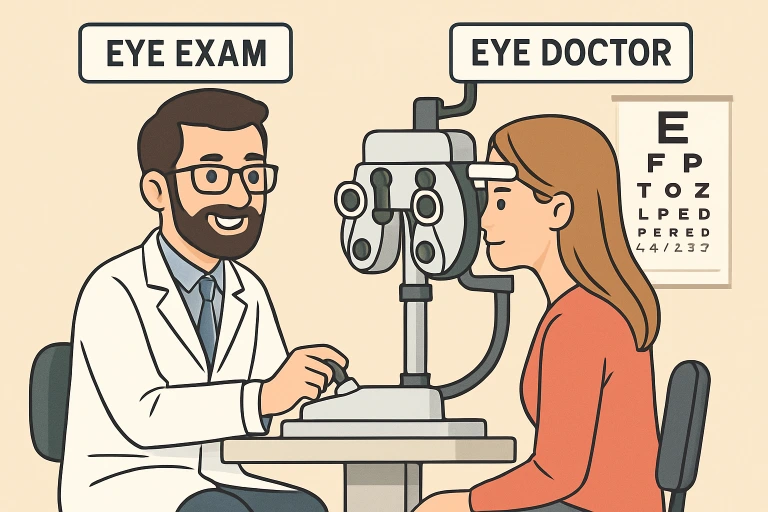
Maintaining optimal eye health is a key element of overall wellness, and taking an informed approach to selecting an eye care provider can make a significant difference in the quality of care you receive. Whether you are seeking routine eye exams or specialized treatment, identifying a reputable provider such as Modern Vision Solutions Des Moines can help ensure your vision is protected for years to come. Choosing a qualified professional with access to advanced technology, comprehensive services, and a reputation for excellent patient care is essential—especially in today’s fast-evolving healthcare landscape.
With so many options available in Des Moines, IA, and other local areas, making the right choice starts with understanding what factors matter most. The following guide walks you through the key considerations that will help you select an eye care provider who offers expertise, modern technology, and patient-centered care.
What is an eye doctor?
Eye doctors are healthcare professionals who are experts in taking care of your eyes and vision. They see people of all ages for everything from routine eye exams to complex issues, including eye surgeries.


Only certain types of eye care specialists are medical doctors (MDs), but it’s common to refer to any specialist who takes care of your eyes as your eye doctor.
You should see an eye doctor every few years to have your eyes examined and your vision checked.
Understanding Eye Care Professionals
When choosing an eye care provider, it’s vital to understand the types of professionals who offer vision and eye health services. The two primary categories are:
- Optometrists: These are eye care specialists focused on vision testing, prescribing corrective lenses, and diagnosing and managing common eye conditions such as dry eyes or conjunctivitis. They also provide advice on eye care and perform minor procedures.
- Ophthalmologists: Medical doctors who specialize in comprehensive eye and vision care. In addition to performing exams and prescribing lenses, they conduct advanced diagnostic tests and provide surgical care for diseases such as cataracts, glaucoma, and retinal disorders.
The right choice between an optometrist and an ophthalmologist will largely depend on your specific eye health needs. Routine care, vision correction, and general health monitoring typically call for an optometrist, while complex conditions, injuries, or surgical requirements necessitate the expertise of an ophthalmologist.
What are the types of eye doctors?

There are four main types of eye specialists:
- Ophthalmologists. Ophthalmologists are medical doctors (MDs) or doctors of osteopathy (DOs). They go to medical school and choose to specialize in eyes. They can diagnose and treat any condition that affects your eyes and vision, and they’re the only ones that can perform surgery.
- Optometrists. Doctors of optometry (OD), or optometrists, go to optometry school. They can diagnose and treat lots of common eye diseases and vision problems, but they can’t perform surgery.
- Opticians. Opticians are eye care specialists who help you choose the right eyeglasses, contact lenses or other vision correction devices.
- Ocularists. Ocularists are eye specialists who provide care to anyone who needs a prosthetic eye. They specialize in creating and maintaining prosthetic eyes.
Verifying Credentials and Experience
Safety and quality care begin with confirming your provider’s credentials. Ensure that every eye care professional has graduated from an accredited institution and is fully licensed in your state. Board certification is a strong indicator of a provider’s commitment to maintaining high professional standards. Furthermore, experience in treating specific conditions increases the likelihood of successful outcomes, especially for complex or chronic eye health issues. Resources like Healthgrades can help you evaluate an ophthalmologist’s or optometrist’s background, specialty training, and patient track record.
Assessing Range of Services
Comprehensive care is best delivered by providers who offer an extensive range of services under one roof. Look for practices that go beyond basic exams to include:
- Routine and advanced eye exams
- Prescription glasses, sunglasses, and contact lens fittings
- Diagnosis and management of eye diseases such as glaucoma, macular degeneration, and diabetic retinopathy
- Emergency eye care
- Pediatric eye care
- Vision therapy and rehabilitation
Having access to a wide spectrum of services simplifies follow-up care and helps you build a long-term relationship with your provider—leading to improved outcomes and fewer disruptions to your eye health management.
Evaluating Technology and Equipment
The integration of advanced technology into eye care is a crucial factor for early detection and effective management of vision problems. Inquire about diagnostic and treatment tools such as digital retinal imaging, optical coherence tomography (OCT), and automated visual field testing. These technologies heighten the accuracy of diagnoses and allow for the prompt identification of serious conditions before symptoms progress. According to ConsumerSearch, practices that invest in state-of-the-art equipment demonstrate a commitment to their patients’ long-term ocular health and safety.
Reviewing Patient Feedback
- Patient reviews provide a valuable window into the quality of care, professionalism, office environment, and treatment outcomes you can expect from a provider.
- Read testimonials and third-party ratings to learn more about provider communication, appointment scheduling efficiency, and satisfaction with results.
- Consistently positive feedback is often a reliable indicator of a practice that takes patient needs seriously and prioritizes personalized care, while patterns of concern.
- Such as rushed appointments or billing problems—should serve as red flags.
Checking Insurance Compatibility
Eye care expenses can add up, so ensuring your provider is within your insurance network is essential for reducing out-of-pocket costs. Confirm that vision services—including specialty care and necessary procedures—are covered by your plan. Also, ask about payment options for treatments or products not included in your coverage. A reputable practice will be transparent about costs and help you navigate the financial aspects of your care so you can focus on your eye health without added stress.
- By carefully weighing these considerations, you can confidently choose an eye care provider who offers expertise, advanced technology, a comprehensive menu of services, and financial transparency.
- Prioritizing these factors will help safeguard your eyesight and enhance your overall quality of life—ensuring clear, healthy vision for years to come.
How do I choose an eye care specialist?
The type of eye specialist you need to see depends on which symptoms you’re experiencing and which issues or conditions you need to address:
- You’ll probably visit an optometrist for your routine eye exam every few years. They can also diagnose and treat the most common conditions that affect your eyes. They specialize in glasses and contacts.
- You’ll need to visit an ophthalmologist if you need advanced care, or if you need eye surgery. They can also provide all your regular eye care, too, including performing general eye exams and giving you prescriptions for glasses.
- Opticians usually work with optometrists and ophthalmologists. They can check the fit of your eyeglasses or contact lenses and show you how to wear them safely.
- Ocularists work with other eye care specialists, as well. You’ll see an ocularist if you’re missing an eye or part of your eye due to injury, infection or a congenital (present at birth) condition.
Talk to your primary care physician (PCP) if you’re not sure which type of eye care specialist you should see.