



Securing home health care for a loved one is an important decision, and understanding the financial implications is crucial for ensuring their well-being. Home care costs can be complex, influenced by a range of personal needs and external factors. Families who take the time to understand these costs can be better prepared to manage expenses and ensure the best care for their loved ones. If you’re looking to estimate your own costs, you may find the home health care insurance cost calculator useful as you begin your planning process. The range of services included under home health care is broad, making it important to distinguish between non-medical support and skilled nursing care. Each category comes with a different price tag, and these differences are further influenced by location, level of care, and caregiver qualifications.
Many families also seek guidance on payment options, how rates fluctuate by region, and the best ways to budget for current and future needs.
- Costs for home health care are shaped by service type, region, and caregiver expertise.
- Non-medical home care is typically more affordable than skilled nursing services.
- Rates can differ significantly by city and state due to labor demand and local policies.
- Insurance, Medicare, Medicaid, and veterans’ benefits may be available to reduce out-of-pocket payments.
- Careful research and planning are essential to minimize financial strain and maintain high-quality care.
Many families consult resources like AARP and the National Institute on Aging to understand best practices before making financial commitments. These organizations provide up-to-date information on regulations and tips on selecting providers. Their insights can help you navigate the complexities of home health care expenses.
Understanding Home Health Care Services

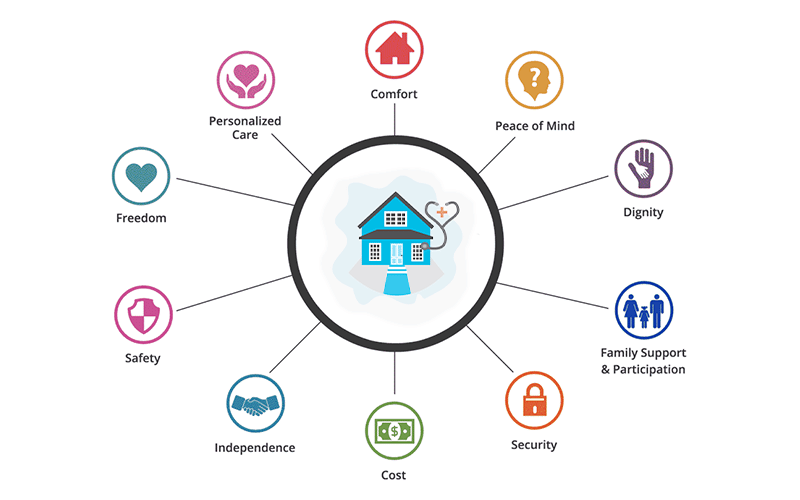
Home health care encompasses a variety of services delivered in a home setting. Common services fall into three broad categories:
- Non-Medical Home Care: Offers support with daily living tasks, such as bathing, dressing, cooking, and light chores. This type of care does not require medical licensure but can greatly enhance the quality of life and independence.
- Skilled Nursing Care: Involves medical services like wound care, injections, monitoring vital signs, and managing medications. Skilled nurses are licensed professionals who are often required for individuals with chronic illness, disability, or recovery needs.
- Therapy Services: Physical, occupational, or speech therapy may be ordered by a physician to support recovery after injury or surgery or to maintain mobility and independence with age. Licensed therapists deliver these services in the comfort of the home.


Factors Influencing Home Health Care Costs
Pricing for home health care fluctuates significantly depending on several factors:
- Type of Care: Basic non-medical care is often more affordable than high-skill nursing or therapy services. Medical oversight and specialized care add to the overall cost.
- Location: Urban areas and regions with higher living costs typically have higher rates. Rural areas may face increased travel fees due to provider availability.
- Caregiver Qualifications: Certified nursing assistants or therapists generally command higher fees than aides without credentials, especially for complex cases.
- Duration and Frequency: More hours each week or daily visits will increase the monthly bill. Customized plans help families balance budgets and care needs.
Average Costs of Home Health Care

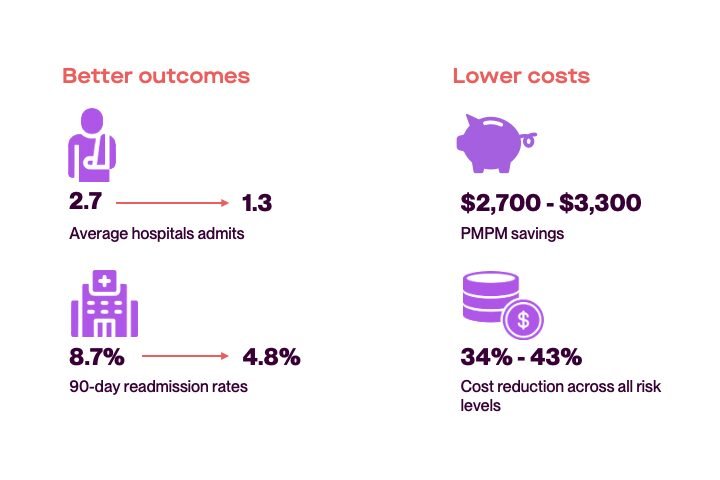
According to the latest data from Genworth’s Cost of Care Survey, non-medical home care in the United States averages about $35 per hour, resulting in approximately $6,300 monthly for those needing 44 hours per week. Costs for skilled nursing can rise sharply due to the expertise required and may range from $40 to $80 per hour, depending on complexity and location. It is important to contact local providers for accurate quotes, as each client’s situation is unique.
Regional Variations in Costs
Where you live has a substantial impact on home health care expenses. For example, California posts median annual home care costs above $67,000, while Massachusetts comes in at a similar figure. Local regulatory standards, wages, and availability of caregivers influence these rates. In the Midwest and South, costs can be notably lower, but families should still plan for potential price increases over time. External sources like AARP’s financial guide to home care provide regional comparisons and advice for negotiating costs.
Paying for Home Health Care
Families fund home care expenses through several channels:
- Medicare: Covers part-time skilled care if certain medical and functional requirements are met. Routine or ongoing non-medical service is generally excluded.
- Medicaid: Provides support for eligible low-income adults, but program details and benefits differ by state.
- Long-Term Care Insurance: Some policies include in-home services for policyholders, subject to coverage specifics.
- Veteran Assistance: US veterans may be able to tap into the VA’s home care programs if they meet eligibility rules.
- Out-of-Pocket: Direct payment using personal savings, family funds, or assets may sometimes be necessary, particularly for services that insurance will not fund.
For further reading, the National Institute on Aging outlines additional strategies and eligibility tips for covering home health care costs.
Planning and Budgeting for Home Health Care
Financially preparing for home health care involves several key steps:
- Evaluate the specific care requirements and customize a care plan.
- Research and compare service providers in your area to obtain the best rates and fit.
- Investigate insurance coverage and assess eligibility for government assistance programs.
- Keep a flexible budget that anticipates price increases as care needs change or as cost-of-living rises.
Consider consulting with a financial planner or eldercare specialist to ensure you explore all available options and reduce the risk of unexpected expenses.
Conclusion
Estimating and managing home health care costs requires knowledge of service types, pricing trends, and payment options. With careful planning, comparison shopping, and the support of reputable resources, families can navigate these expenses and secure compassionate, high-quality care for their loved ones.