



According to a study by the Bureau of Justice Statistics, approximately 97% of civil cases, including wrongful death claims, resolve before reaching trial. And a report from the National Center for State Courts says only a small percentage of civil cases go to trial.
So, what are the odds of winning a wrongful death lawsuit?
No outcome is guaranteed when it comes to such lawsuits. Still, the odds of winning the case depend on several factors. But first, you must be prepared to have strong evidence, the ability to prove negligence, and the circumstances surrounding the death.
So, what should you do to increase the chances of winning your lawsuit? Let’s find out!
What a Wrongful Death Claim Must Establish


Surviving family members or an estate representative can file a wrongful death claim when another party’s negligence or misconduct causes a death by proving duty breach, causation, and resulting financial losses.
The recoverable damages usually include all medical costs paid before death, funeral and burial expenses, the total value of income and financial support the deceased would have provided, and the monetary value of lost companionship.
Several states have limited non-economic damages through tort reform, establishing a maximum level of recovery for all claims, regardless of merit. Non-economic damages are those of pain, suffering, and other injustices that don’t have monetary value.
Each state’s wrongful death laws implement comparative negligence rules. With these rules, they enable liability reduction for accidents that result from shared fault between the deceased and other parties.
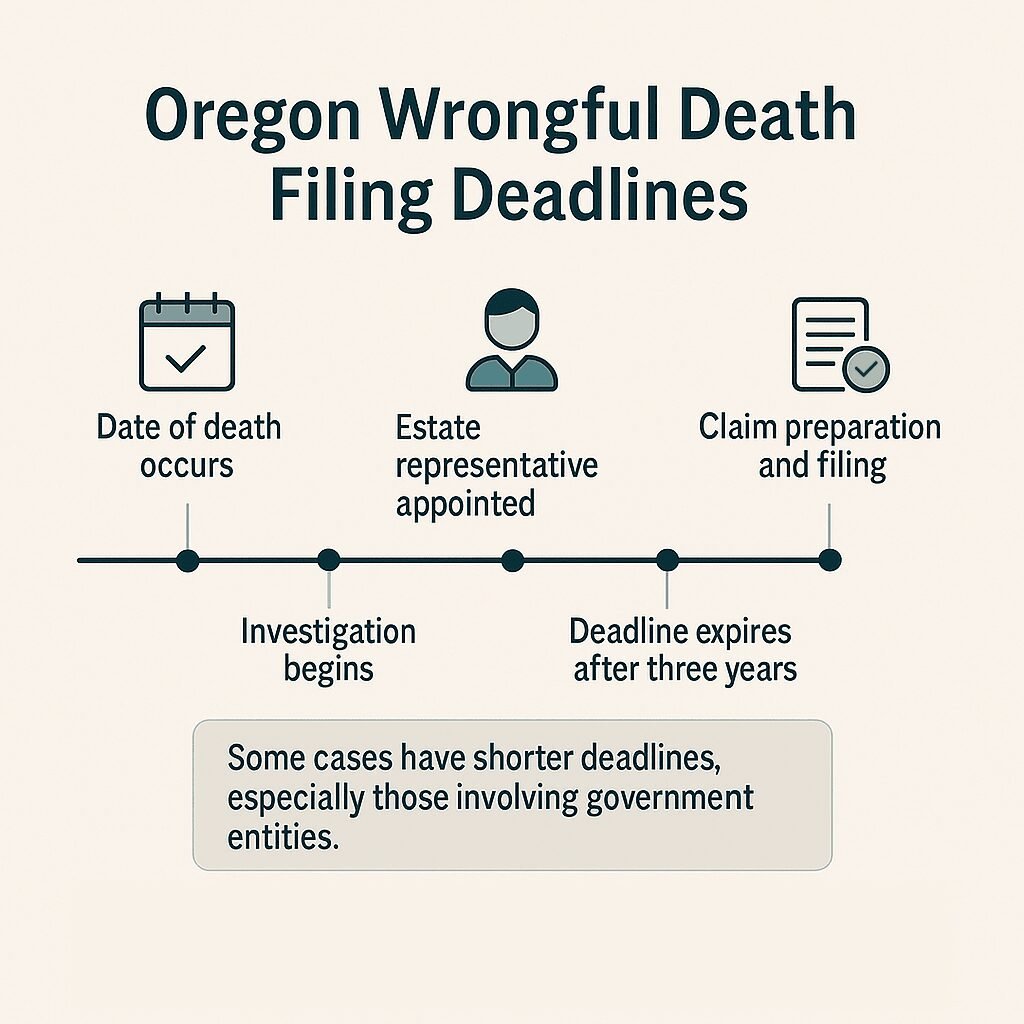
In most states, there is a specific timeframe for defendants to file their case. This typically lasts between one and three years. Still, the rules depend on the specific state laws and case details. You must also be mindful of special notice requirements that apply to cases with government defendants.
How Evidence Shapes the Outcome
To determine the strength of your case, what you need is strong evidence. Cases with clear, documented proof of negligence and causation carry substantially better odds than those where liability is disputed or the facts are ambiguous.
They should collect medical records and accident reports together with eyewitness accounts and photographs or video evidence from the accident scene.
In medical malpractice and product liability cases, expert testimonies play an important role. Using technical explanation, they can connect the defendant’s conduct and the death of the victim for a judge or jury.
Clear and undisputed liability cases result in better case outcomes. The case process will require more time to complete when fault is disputed or multiple parties need to be resolved.
The Role of Legal Representation
Lawyers with experience create better results through case preparation work and negotiation activities, which produce higher results for complex cases and high-value cases. The lawyer handles all required legal processes for each jurisdiction while conducting talks with insurance providers and acquiring expert witnesses and performing all necessary document submissions.
Insurance companies regularly dispute their liability or attempt to reduce their compensation obligations, which creates an unfair advantage for families who lack legal representation.
Orange County wrongful death attorney Brent A. Duque says that without an attorney to help, defending your case in a court of law can be long and arduous. Insurance companies don’t make it any easier, either. They often drag their feet and resist paying out claims in wrongful death cases. This is why having a skilled and experienced death attorney to advocate for you in a wrongful death claim is so important.
A Bureau of Justice Statistics report found that plaintiffs won in approximately 66% of bench trials and about 53% of jury trials across civil cases. For wrongful death specific cases, plaintiffs achieved success in 36% of trials.
The plaintiff success rate for auto accident and premises liability cases reached 50%, while medical malpractice and wrongful death cases resulted in a 25% success rate for plaintiffs.
Common Challenges That Affect Odds
Several recurring obstacles can reduce a family’s chances of prevailing. One challenge is when essential documents remain in the possession of the opposing party.
Statutory damage caps in various jurisdictions restrict recovery amounts based on available evidence. The defense uses comparative fault arguments to show that the deceased person shared responsibility, which affects compensation based on the state’s negligence rules.
Filing deadlines present another serious risk. The claim disappears completely when the applicable statute of limitations is missed, which happens regardless of whether the claim has valid grounds.
What Families Should Know Before Filing

The outcome of a wrongful death case remains unpredictable because families with established evidence and proof of liability and skilled legal representation have the best chance to achieve financial restitution. When cases go to trial, they become less predictable, but they offer the potential for larger financial awards compared to reached settlement agreements.
One study of wrongful death claims found that over 95% resulted in some form of settlement or payout to the family, which means that for well-supported claims, success most often comes through settlement rather than a courtroom verdict.
Every case receives better support when people take immediate actions. The family can protect their legal rights with evidence. In this case, they must keep witness statements and hire an attorney to help them with the case before the statute of limitations expires.