


Living in the Washington, DC, and Maryland region often means crossing borders daily without even thinking about it. You might work in DC, live in Maryland, and spend your evenings moving freely between jurisdictions.
But when a criminal charge or arrest is involved, those simple daily movements suddenly become legally complicated.
An arrest in Washington, DC, while you live in Maryland, can trigger confusion about which court handles your case, which laws apply, and where your legal responsibilities begin and end.
The answers are not always intuitive, and small differences between jurisdictions can significantly impact outcomes.
This article breaks down what actually happens in cross-border criminal cases, how DC and Maryland systems differ, and what you should understand if you are ever caught in this situation.
Understanding Jurisdiction in DC vs Maryland
Even though DC and Maryland are geographically close, they operate as completely separate legal systems.
Washington, DC has its own local court system and criminal code, while Maryland has its own state courts and statutes. This means:
- A crime committed in DC is prosecuted under DC law.
- A crime committed in Maryland is prosecuted under Maryland law.
- Penalties, procedures, and court timelines can differ significantly.
- Even similar charges may be treated differently depending on location.
Jurisdiction is based on where the alleged offense occurred, not where you live. So if you live in Maryland but are arrested in DC, your case will almost always stay in DC courts.
What Happens After an Arrest in DC if You Live in Maryland


If you are arrested in Washington, DC, but reside in Maryland, the process usually follows these steps:
- Booking and processing in DC
- You are taken into custody and processed by DC authorities.
- Initial court appearance
- You will appear in a DC court, regardless of your Maryland residency.
- Release conditions or detention decision
- Depending on the charge, you may be released on personal recognizance or required to post bond.
- Ongoing case in DC courts
- All hearings, filings, and proceedings take place in DC.
- Possible DMV license implications
- Even though Maryland issued your license, DC convictions can still affect your driving record through interstate agreements.
A common mistake is assuming your Maryland residency gives you any procedural advantage in DC court. In reality, residency rarely changes how the case is handled.
At this stage, many people seek help from a Washington, DC criminal defense law firm, especially when they are unfamiliar with DC court procedures or local enforcement patterns.
Differences Between DC and Maryland Criminal Systems


Understanding the differences between the two jurisdictions can help you see why cross-border cases are so complex.
1. Court structure and procedures
DC courts are locally controlled, while Maryland operates under state-wide criminal procedure rules. This affects scheduling, motions, and plea negotiations.
2. Sentencing guidelines
Sentencing ranges for similar offenses can vary. A charge that results in probation in one jurisdiction may lead to stricter penalties in the other.
3. Police and prosecution priorities
DC and Maryland law enforcement agencies often prioritize different types of offenses depending on local policy.
4. Record consequences
Both jurisdictions can impact your background checks, but reporting mechanisms may differ.
Common Cross-Border Scenarios in the DMV Area
Cross-border legal issues are especially common in the DC, Maryland, and Virginia region. Some frequent examples include:
- DUI arrests after leaving bars or events in DC
- Traffic violations on interstates crossing state lines.
- Drug possession cases during routine stops
- Assault charges arising from nightlife incidents
- Warrants issued in one jurisdiction and executed in another.
One of the most misunderstood situations involves DUI charges. Many people assume that if they live in Maryland, their case will “follow them home.” That is not how jurisdiction works.
DUI Charges After a Night Out in DC
A typical scenario looks like this: someone spends the evening in DC, drives back toward Maryland, and gets pulled over either in DC or shortly after crossing into Maryland.
The location of the stop determines everything:
- If stopped in DC, DC law applies.
- If stopped in Maryland, Maryland law applies.
- If there is evidence of impairment in both, coordination between agencies may occur.
Even though DUI laws are similar across the region, penalties, ignition interlock requirements, and license consequences can vary.
In Maryland, DUI penalties often include:
- Fines and court costs
- Possible jail time depending on severity
- Mandatory alcohol education programs
- License suspension or restrictions
- Ignition interlock device requirements
Because of these consequences, many individuals consult a DUI defense attorney in Hyattsville, MD, to understand how Maryland courts may interpret evidence from breath tests, field sobriety tests, and police reports in cross-border incidents.
Why Cross-Border DUI Cases Are Especially Complicated
DUI cases involving DC and Maryland can become complicated for several reasons:
- Different evidentiary rules between jurisdictions
- Separate DMV systems that still share driving records
- Potential for dual administrative and criminal penalties
- Complex questions about where impairment allegedly occurred
For example, someone may be stopped in Maryland but have consumed alcohol in DC. That creates questions about timing, impairment level, and legal jurisdiction that are not always straightforward.
What to Do Immediately After a Cross-Border Arrest
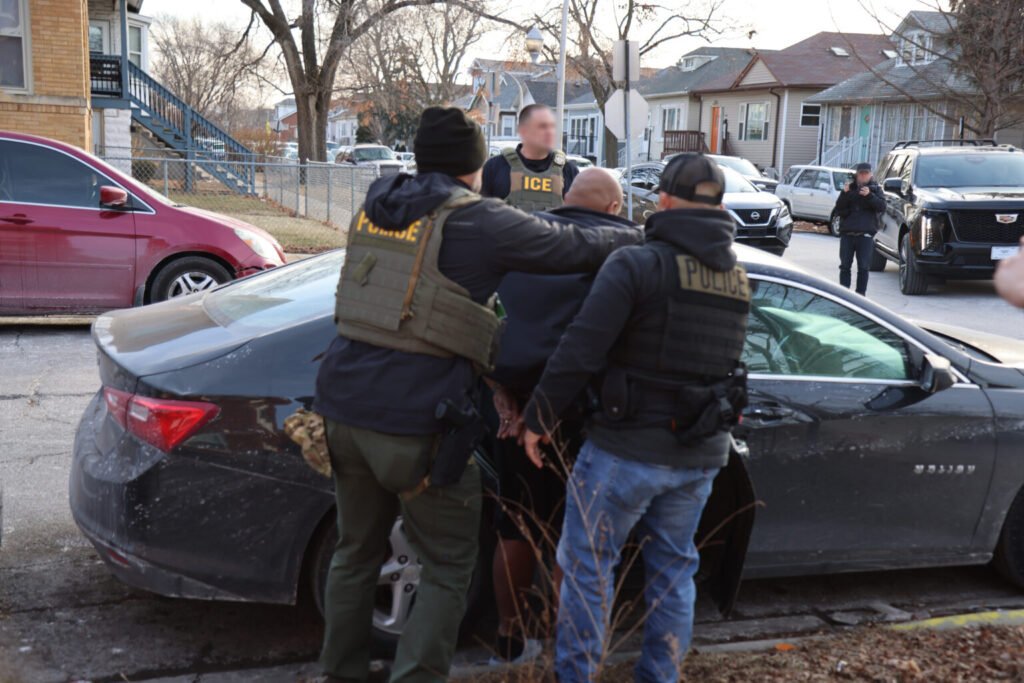
If you are arrested in DC but live in Maryland, your actions in the first 24 to 72 hours can matter significantly:
- Do not ignore court dates or paperwork.
- Avoid discussing the case with law enforcement without counsel.
- Gather all documents, including citation and release paperwork.
- Note exact locations, times, and events while details are fresh.
- Check for any license or DMV notices.
Cross-border cases often involve multiple agencies, so staying organized helps prevent missed deadlines or misunderstandings.
Common Mistakes People Make in These Cases
Many individuals unintentionally make their situation worse by:
- Assuming the case will transfer to their home state
- Missing DC court dates due to travel confusion.
- Underestimating how serious a charge may be in another jurisdiction
- Speaking too freely to police or investigators
- Delaying legal support until after initial hearings
These mistakes can lead to stricter penalties or fewer defense options later in the process.
The Bigger Picture: Why Jurisdiction Matters So Much
In the DC and Maryland area, legal boundaries are invisible in daily life but extremely real in court. Two cities separated by a short drive can have entirely different legal consequences for the same behavior.
Understanding jurisdiction is not just a technical detail. It directly affects:
- Where your case is heard
- Which laws apply
- What penalties you face
- How your record is impacted
Cross-border arrests are stressful because they combine legal uncertainty with logistical confusion. Knowing how the system works can reduce that uncertainty and help you respond more effectively.