


The first two days after an assault arrest are when the case is quietly decided, even though almost nothing visible is happening yet. No trial, no verdict, no big courtroom moment. Just booking, holding, an arraignment that lasts maybe four minutes, and a bail decision that gets made in less time than it takes most people to order lunch.
By the end of that 48-hour window, the trajectory of the case has already been set on rails that are difficult and expensive to switch off later.
I’ve watched two people close to me go through this process. Different cities, different charges, both classified as assault. The thing they both told me afterward, in basically the same words, was that the parts of the process that mattered most were the parts they didn’t know mattered at the time. Which is the problem this article is trying to address. Because there’s a lot written about what happens at trial, and almost nothing useful written about what happens before anyone has even thought about a trial.
The Booking Mistake
When someone gets arrested for assault, the first stop is booking. This is the procedural intake where personal information, fingerprints, photos, and the charge itself get logged. A background check runs in parallel. Prior convictions or active warrants from anywhere in the country show up at this stage, and what gets pulled here will quietly shape what the judge sees at the bail hearing.

The mistake most people make at booking isn’t anything dramatic. It’s talking too much. Officers ask questions that sound conversational. About what happened, about the other person involved, about the circumstances of the arrest. Anything said at this stage can and will be used. The Miranda warning gets read, people nod that they understand it, and then forty minutes later they’re explaining their side of the story to whoever’s processing them. By the time an attorney enters the picture, the prosecution already has statements that didn’t need to exist.
The second mistake at booking is not making the phone call count. Most people use their one call to tell family they’re okay. That’s understandable but it’s the wrong call. The call should go to either an attorney directly or to a family member with explicit instructions to find one immediately.
The clock is running on the bail hearing, and an attorney showing up at arraignment with prepared arguments is a different conversation than one who got hired afterward.
What the Arraignment Actually Does
The arraignment is the first court appearance, usually within 24 to 48 hours of the arrest depending on the jurisdiction and the day of the week. Weekend arrests sit longer because most courts don’t run arraignment dockets on Sundays. The actual proceeding is short. The judge confirms identity, reads the charges, confirms the defendant understands their rights, asks for a plea, and rules on bail.
The plea at arraignment is almost always not guilty, regardless of what actually happened. This is procedural. A not-guilty plea preserves every option the defense has. Pleading guilty at arraignment, before anyone has reviewed the evidence or negotiated anything, is the move that surprises defense attorneys because they almost never see it work out well for the person who did it. The plea offer available at arraignment is rarely the best offer that will be available at any other point in the case.
People do plead guilty at arraignment anyway, usually because they want the whole thing over with, or because they’ve been told the evidence is overwhelming, or because they’re scared and not thinking clearly after a night in holding. According to McDonough assault lawyer Suesan A. Miller, working with an attorney through the early stages of an assault case is part of what shapes whether the eventual resolution actually fits the facts. The McDonough assault lawyer Suesan A. Miller team approaches the early procedural decisions as part of the case strategy rather than treating them as separate from it, which is the distinction that matters most in this window.
The Bail Hearing Is the Decision That Matters
Bail is where the case quietly gets decided, even though almost nobody talks about it that way. The Vera Institute of Justice has published research showing that defendants held in pretrial detention are 46% more likely to plead guilty than defendants released on bail. That number is not small. It means that whether someone goes home from the arraignment or sits in jail waiting for trial materially affects whether they end up with a conviction on their record.

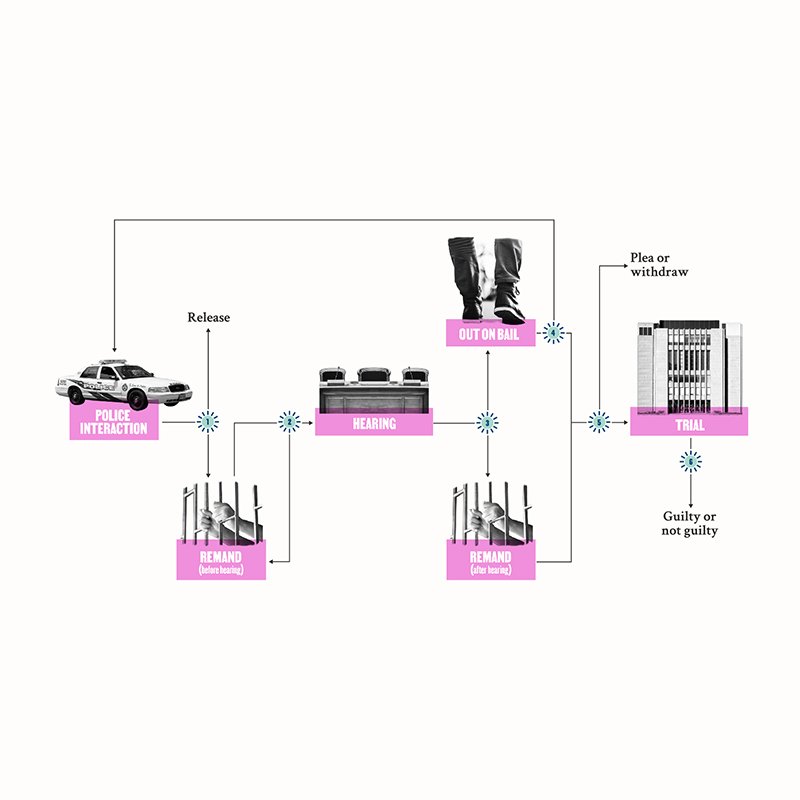
The reason is straightforward. Sitting in jail makes plea deals look better than they are. Every day inside makes the prosecution’s offer to “just take the deal and go home” sound more reasonable. Defendants out on bail can keep working, keep paying rent, keep showing up for their kids, and wait the process out from a position where the only pressure on them is the case itself. Defendants in custody are negotiating from a place where every additional week in jail is its own punishment.
Judges set bail based on a handful of factors that an attorney can prepare for in advance. The seriousness of the charge, the defendant’s prior record, ties to the community (employment, family, length of residence), and the perceived flight risk. Each of those has documentation that can be produced and presented. Pay stubs, lease agreements, letters from family, evidence of community ties. An attorney who walks into the bail hearing with this material organized is having a different conversation than an attorney who didn’t have time to gather it.
This is the single highest-leverage moment in the first 48 hours, and it’s the one that almost nobody thinks about until they’re already in front of the judge.
The Misdemeanor vs. Felony Line
One thing that gets decided in this early window, sometimes at arraignment and sometimes earlier, is whether the charge moves forward as a misdemeanor or a felony assault. The distinction is not just a sentencing difference. A felony conviction affects employment eligibility, professional licensing, gun rights, immigration status, and housing access in ways that a misdemeanor doesn’t. The pretrial conversation that determines which side of that line the case ends up on is often happening in the first 48 hours, even though the actual reduction (if it happens) might come later in plea negotiations.
The factors that move a case from felony to misdemeanor territory are usually about the severity of the injury, whether a weapon was alleged, and the criminal history of the defendant. Some of those are fixed. Some of them are not, and the defense has more influence in this early window than people realize.
The Pattern Worth Remembering
The first 48 hours after an assault arrest are not about the trial. They’re about setting the conditions under which the rest of the case will be fought. Who shows up at the bail hearing, what documentation has been prepared, whether the defendant has said things to officers that should not have been said, and whether the plea at arraignment is the right one. All of that gets decided before most people have even processed what’s happening.
The best thing anyone can do in this window is contact an attorney immediately, say very little to anyone else, and let the procedural decisions get made by someone who has been through this process before. The cost of that is significant. The cost of doing it any other way tends to be larger.