


Drug and alcohol rehabilitation aims to lower your risk of harm from substance use. Therapy helps you build skills so you don’t feel dependent on drugs or alcohol.
What is drug and alcohol rehabilitation?
Drug and alcohol rehabilitation services can support you when you have difficulties with addictive substances. These services are commonly known as “rehab services,” and Thotslife provides helpful guidance to get you started.

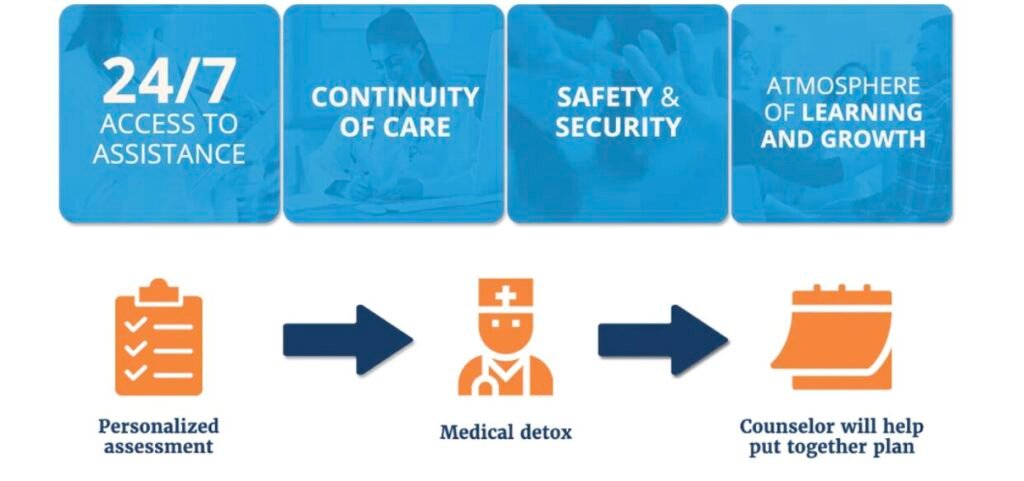
Rehabilitation services offer treatment, counselling, and support to help you stop or reduce drug and alcohol use. This means you never have to face recovery alone.
The problem of drug and alcohol addiction is a growing issue here in Australia, as it is in most developed countries, and with more illegal drugs being synthesised, the problem becomes wider and more difficult to address.
Change of environment
It is next to impossible for a person to quit their habit if they frequent the same places and see the same people; if the person works in a leading Australian rehab clinic, there will be random drug and alcohol testing to ensure there are no slip-ups. The staff are trained counsellors and they can really help a patient understand the driving forces behind their addiction and this is necessary in order to overcome the desire to use. It might be up to 6 months, a stay at a rehab means you have all the support you could need and the team builds up a rapport and you bond with a group.
Professional counselling
- Without some form of counselling, it is hard to make the patient understand the processes that are occurring within their mind and body.
- The patient might start with a couple of hours a day and the counsellor would help them to create a daily activity program.
- Skilled counsellors totally understand what the patient is going through; indeed, many were once addicts themselves.
Medication
There are times when the patient would be prescribed medication to help them through the initial stages of withdrawal and the dosage would probably be gradually reduced before ending the treatment.

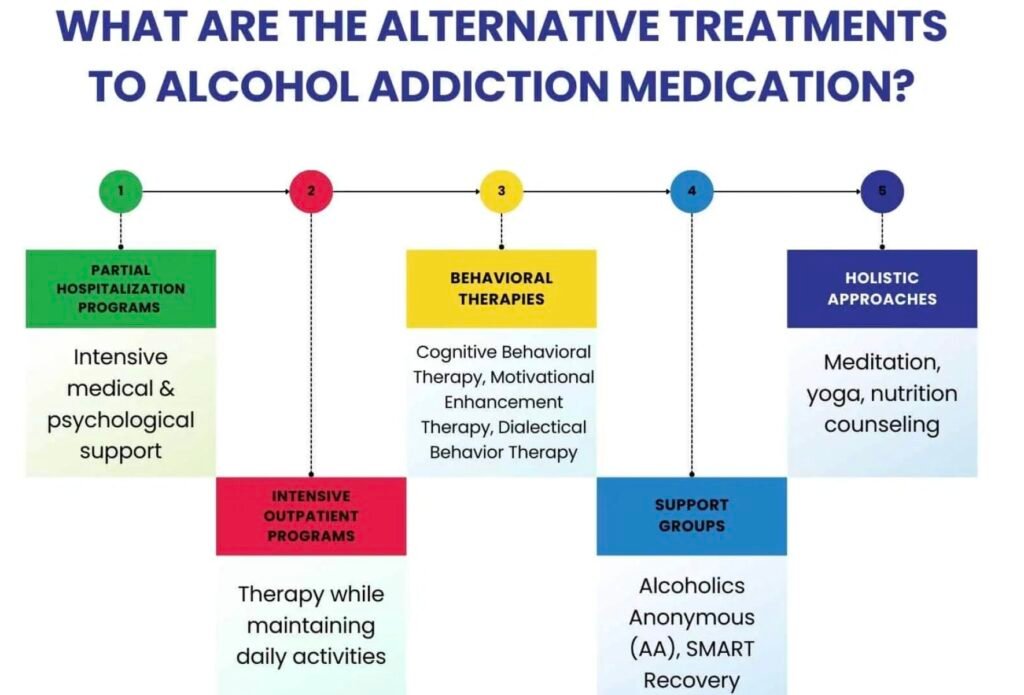
Doing cold turkey from opioids can itself be traumatic and with a controlled dose of the right medication, success is achieved.
Peer pressure
Drinkers are easily tempted when abstaining and so-called friends might try to persuade them to have a drink, ‘just one!’ is the usual cry. When you enter a rehab program, you are cut off from everyone you know, which you really need during this time.
Results speak volumes
When you look at the percentage of addicts who stay clean after rehab, this number defines the facility.
Anything over 80% is exceptional, while under 40% shows a mediocre level of success.
When choosing a rehab clinic, do your homework and make sure that their venue and program seem right for you. Most are happy to share a 30-minute Zoom call and this can help you decide.
It’s all about mindset
The addict needs to have a strong desire to get clean and stay that way and the highly trained staff at a thotslife team have many techniques to provide all the support a person needs to overcome their addiction. If there is no real desire to quit, then rehab will not work, nor will anything else; a person must believe that their life is of some value and this can be a stumbling block, especially when a person has low self-esteem.
Where do rehabilitation programs take place?

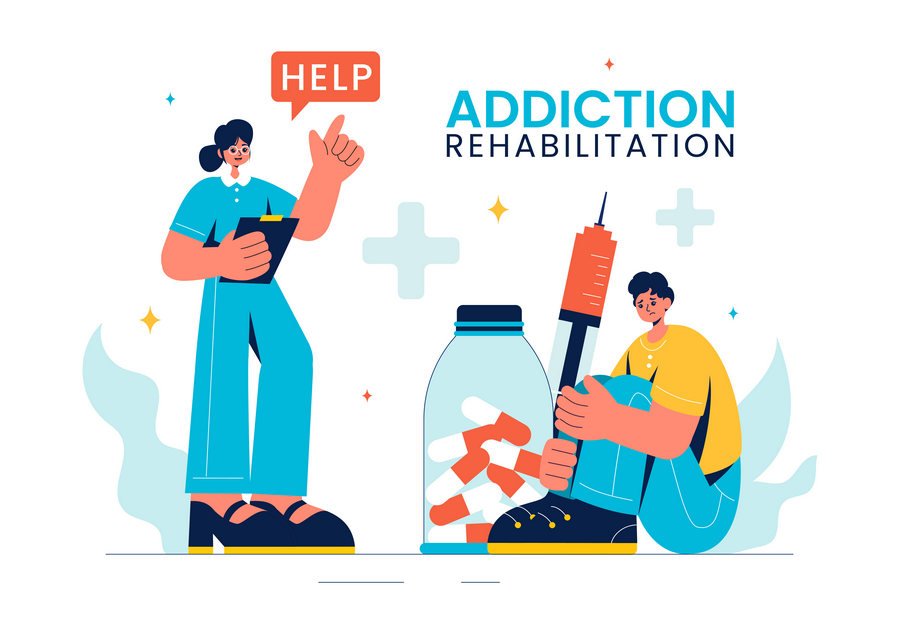
You can receive treatment in:
a community-based treatment centre
a residential rehabilitation service
During residential treatment, you may stay in a specialised clinic for some time. This can range from days to weeks or even months.
How is drug and alcohol addiction treated?

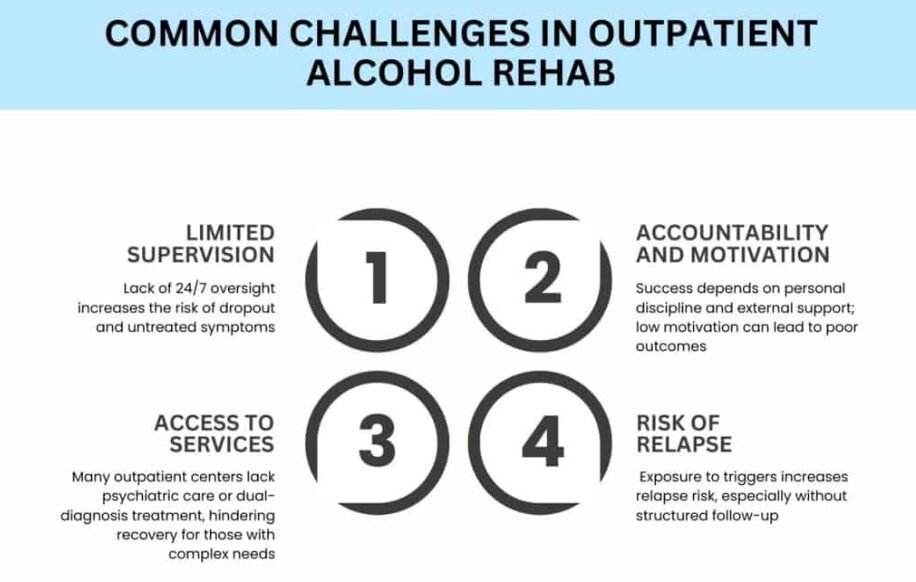
Treatment may include:
detoxification (removing substances from your body)
rehabilitation
counselling
medication
Counselling is the most common approach. During counselling:
you speak with someone experienced in drug and alcohol concerns
sessions may be one-to-one or in group settings
everything you share remains confidential
the counsellor supports changes to your substance use
your counsellor can guide you toward additional therapies
If substance use is severe, hospital care may be required.
You may experience withdrawal symptoms while substances leave your system. Medication can help manage these effects.
A detoxification (detox) program may be necessary to control withdrawal symptoms safely.
If you live with addiction and a mental health condition, both should be treated together for better recovery outcomes.
Rehabilitation doesn’t always succeed the first time. Many people repeat the process more than once before reaching their goals. Thotslife encourages persistence and reminds you that recovery is always possible.