


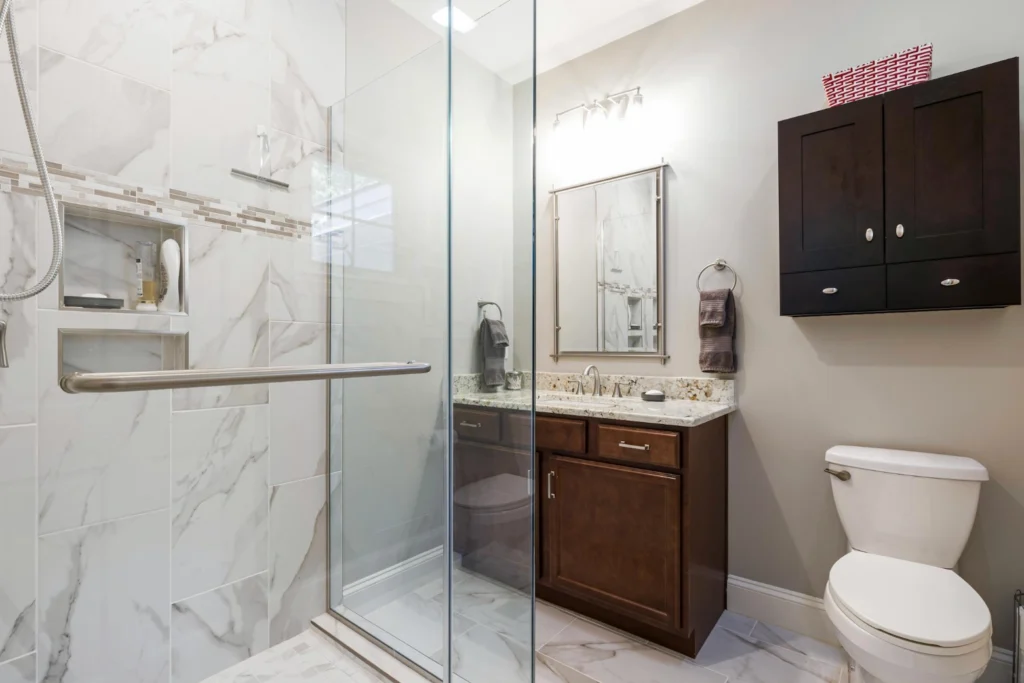
Some bathrooms look impressive right until somebody actually has to use them at seven in the morning. Drawers do not open fully because the layout is awkward, there is nowhere to place basic things, and the lighting somehow makes everything harder instead of easier. A lot of homeowners realize too late that a bathroom can photograph well while still being frustrating every single day.
In Virginia Beach, many homes carry a mix of older layouts and newer updates, which creates an odd gap between appearance and practicality in bathrooms.
Some spaces were built decades ago when storage needs were smaller and daily routines looked different. Others were remodeled quickly around trends that aged faster than expected. Homeowners there often end up rethinking bathrooms because moisture, limited space, and busy family schedules make functionality impossible to ignore for very long.
Why Practical Bathrooms Are Getting More Attention
For a long time, bathroom design leaned heavily toward appearance. Large tubs, decorative sinks, glossy finishes, and trendy fixtures became the focus because those things looked impressive during home tours or online photos. The problem is that most people do not experience their bathroom through photographs. They experience it half awake before work, while rushing kids through morning routines, or late at night when they just want the room to function properly without extra hassle.

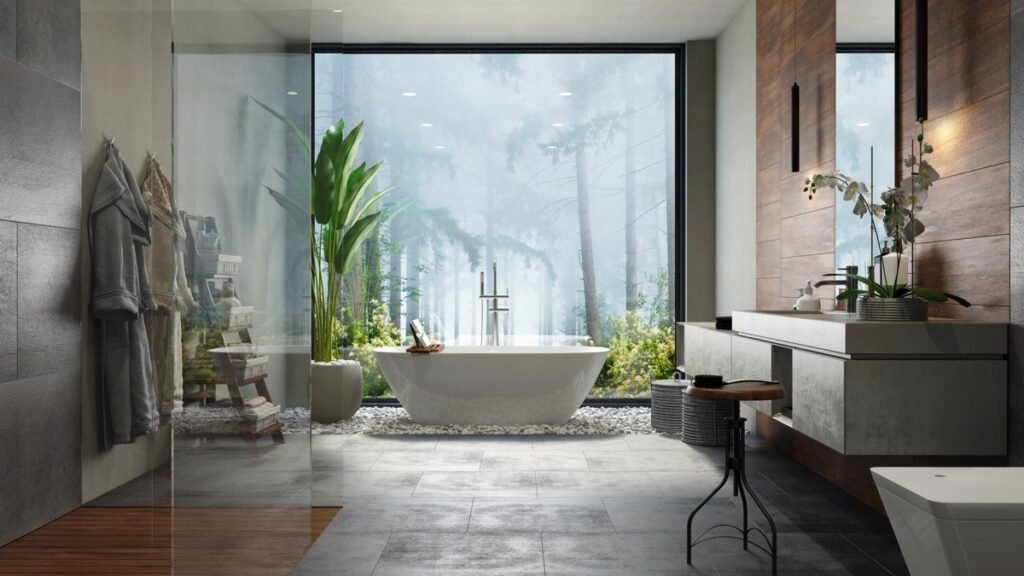
That shift in thinking has become more noticeable recently because people spend more time at home now than they used to. Remote work changed routines. Families overlap in shared spaces more often. Bathrooms are no longer quick stop-and-go rooms that people barely think about during the day. The room gets used constantly, and weaknesses in the layout become obvious quickly.
This is why homeowners today only rely on experienced bathroom remodelers in Virginia Beach when they start planning updates. Most people are not chasing luxury features as much as they are trying to reduce everyday frustrations. Better storage, easier cleaning, safer flooring, stronger lighting, and layouts that actually support daily routines usually matter more over time than decorative upgrades that looked trendy for six months.
Storage Problems Change the Entire Room
Older bathrooms usually run out of storage long before homeowners realize it. People own more everyday items now, from skincare products and medications to extra towels and hair tools, but many bathrooms were designed decades ago, when routines were simpler. Once storage falls behind, clutter spreads fast. Counters fill up, drawers jam shut, and random bathroom supplies start getting stored in hallway closets or bedroom shelves because there is nowhere else to put them.
Functional bathrooms fix this in quieter ways than people expect. Better cabinets, deeper drawers, built-in shelving, and layouts that leave enough room to move comfortably make the space feel calmer almost immediately. A crowded bathroom may seem minor, but dealing with that mess every morning wears people down more than they realize.
Easy Cleaning Ends Up Mattering More Than Expected
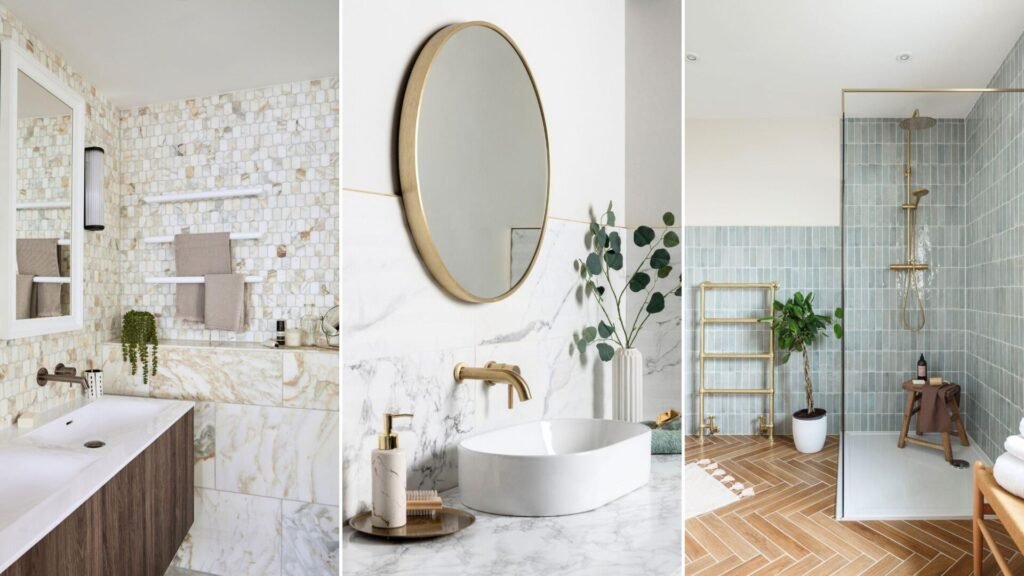
A bathroom can look great during a remodel and still become annoying to maintain a year later. Some finishes scratch too easily, grout starts darkening faster than expected, and water spots somehow keep showing up, no matter how often people wipe things down. That reality changes how homeowners think over time.
Most families eventually lean toward materials that are easier to clean and durable enough for heavy daily use. Simple flooring, practical shower layouts, and surfaces that do not require constant attention usually hold up better than trendy designs. People are busy already. They want bathrooms that function well without turning into another weekend chore. Even newer features now focus more on convenience and comfort than pure appearance.
Layout Matters More Than Decoration
Some bathrooms fail simply because the layout was never planned carefully. Doors swing into awkward spaces. Cabinets block movement. Toilets sit too close to vanities. People end up bumping into corners or stepping around each other constantly without even realizing how irritating it has become. Good layout design feels almost invisible when it works well. People move through the room naturally. Storage sits where it makes sense. Lighting reaches the right areas instead of creating shadows everywhere. The bathroom feels calmer because the space itself is not creating friction.
Double sinks are another example. They became popular partly because families got tired of fighting for mirror space every morning. It sounds minor until two people are trying to get ready for work at the same time while balancing hair tools, makeup, and toothbrushes across one small counter.
Walk-in showers have also become more common because they solve multiple issues at once. Easier cleaning, easier access, better use of space. Large tubs still appeal to some homeowners, but many eventually admit they rarely use them enough to justify the amount of room they take up.
Trends Fade Faster Than Daily Habits
The difficult thing about bathroom trends is that they move faster than most renovation budgets do. Colors change. Tile styles shift. Fixtures that looked modern five years ago suddenly feel outdated because social media cycles move quickly. Daily habits change more slowly. People still need storage. They still need reliable lighting. Families still need bathrooms that can handle rushed mornings and tired evenings without creating extra stress.

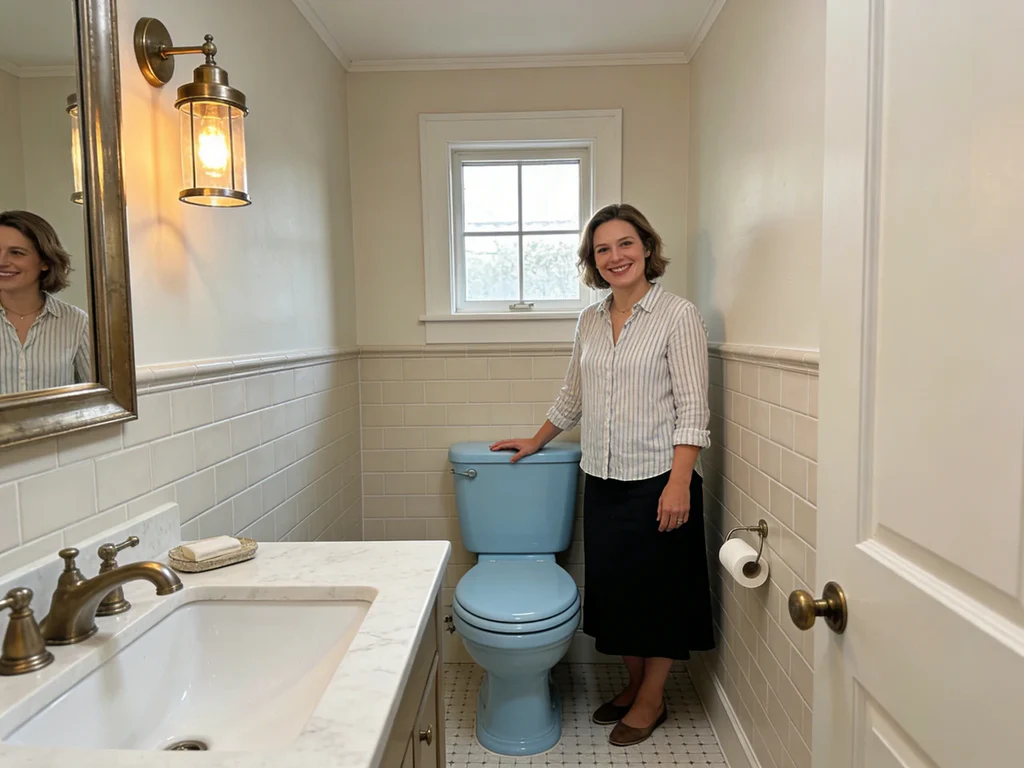
That is why functional upgrades usually age better. Neutral layouts, durable materials, practical storage, and good lighting tend to hold their value because they solve actual problems instead of following temporary design trends. And honestly, most homeowners stop noticing decorative details after a while anyway. What they continue noticing is whether the bathroom feels easy to use.
Comfort Usually Wins in the End
People are starting to care less about bathrooms that look perfect online and more about ones that actually feel easy to live with. Real bathrooms get cluttered. Toothpaste ends up in the sink, towels pile up, and counters slowly collect random stuff nobody planned to leave there. That is normal.
A functional bathroom handles daily life without becoming another source of stress. Good storage, enough walking space, durable surfaces, and lighting that actually helps in the morning usually matter longer than trendy finishes do. Most homeowners eventually realize comfort sticks around long after design trends stop feeling interesting.