


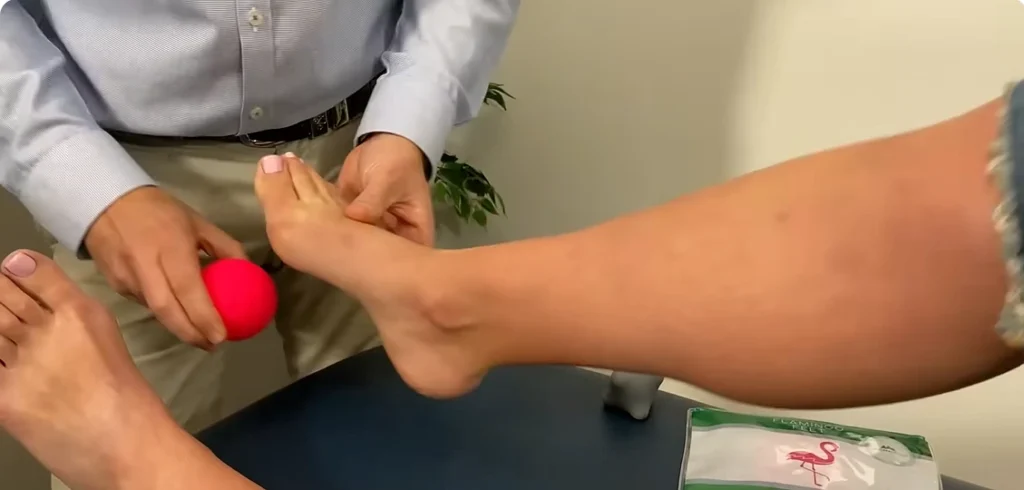
Key Takeaways:
- Nothing non-surgical shrinks or reverses a bunion. Once the bone has drifted, only surgery straightens it. Any product promising to “correct” a bunion without surgery is overselling.
- What early, conservative treatment does do is real and worth it controls pain, slows the progression, and prevents the secondary damage a bunion causes elsewhere in your foot and body.
- Custom orthotics can measurably slow the deformity’s progression, though they can’t stop it. Wide-toe-box shoes are the other evidence-based basic.
- Toe spacers, pads, and night splints help with comfort, not correction.
- Bunions affect roughly a quarter to a third of adults and tend to worsen over time, so early is genuinely better than late.
- See a podiatrist or foot-and-ankle specialist early, waiting until it’s severe limits your options.
Let me clear up the single biggest misconception about bunions before anything else, because it’s the one that wastes people’s money and time. You cannot fix a bunion without surgery. No toe spacer, no splint, no corrector strap, no exercise pulls that bone back into place. The internet is full of gadgets implying otherwise, and they’re selling comfort dressed up as correction.
So why treat a bunion early at all, if the early treatment can’t undo it? Because the bump was never the real problem. The damage a bunion causes while you ignore it, that’s the problem, and that’s the thing early treatment genuinely stops. Here’s the honest version of what’s worth doing and why.
First, What A Bunion Actually Is
A bunion, or hallux valgus in medical terms, isn’t a growth or a lump that appeared on your foot. It’s a structural change in the bones: the first metatarsal, the long bone behind your big toe, drifts outward, which pushes the big toe inward toward the second toe. The “bump” you see is the head of that displaced bone poking out at the side. That’s why nothing external can dissolve it, there’s nothing to dissolve, it’s your own skeleton, rearranged.
This also explains why it’s progressive. Once the joint starts drifting, the mechanics of every step tend to push it a little further, which is exactly why catching it early matters. It’s one of the most common foot problems there is, present in something like 23% to 35% of adults, and more common with age.
What Early Treatment Genuinely Does: Pain, First

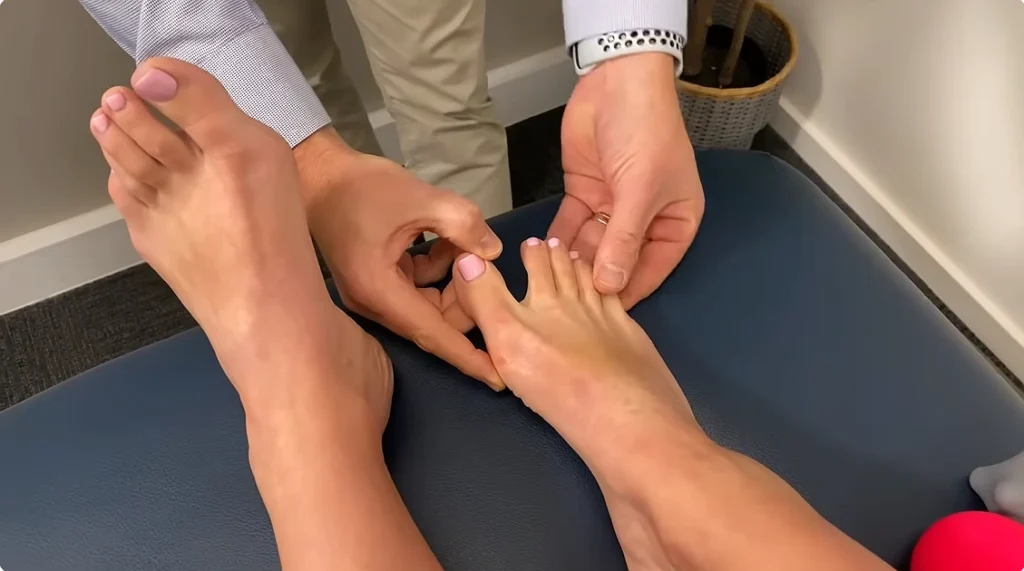
Start with the benefit that’s most immediate and best supported. Conservative treatment is genuinely effective at reducing bunion pain, and pain is usually why people seek help in the first place.
A displaced big-toe joint takes pressure it wasn’t built for, which produces the aching or sharp pain over the bump, and the rubbing against shoes. Wider shoes with a roomy toe box, protective padding, and offloading the joint relieve that pressure directly, and they work. The landmark study here, a randomized trial of over 200 patients, found orthoses produced real symptom relief, though, importantly, mostly in the shorter term.
So the honest framing on pain is: conservative care manages it well, especially early, and for a lot of people that symptom control is enough to live comfortably and put off or avoid surgery indefinitely. That’s a genuine win. It’s just symptom management, not repair.
What Early Treatment Does About Progression: Slows It, Doesn’t Stop It
Here’s where the source articles tend to overstate things, so let me be precise, because the truth is still good news, just narrower.
The claim you’ll often read is that orthotics and toe spacers “halt progression” or “preserve alignment.” That’s too strong. The medical consensus, stated plainly in the clinical references, is that conservative measures do not reverse or fully halt the deformity. What they can do, and this is real, is slow it down. Custom orthotics that control overpronation reduce the biomechanical force driving the bunion forward, and radiographic studies have shown the deformity progressing measurably slower in patients using custom orthotics compared to over-the-counter insoles over a couple of years of follow-up.
So the accurate statement is: early orthotic treatment can buy you time and slow the worsening, but it can’t freeze the bunion in place or shrink it. That’s still a reason to act early, because slower progression means more years of manageable symptoms and a less severe deformity if you ever do need surgery. It’s just not the “stop it in its tracks” promise the marketing makes.
Worth separating the tools honestly here:
- Custom orthotics and wide-toe-box shoes are the two evidence-based targets, they address the actual biomechanical force and the pressure.
- Toe spacers can ease the “crowding” feeling between the toes and are fine as a comfort adjunct, but they don’t reverse anything.
- Night splints may relieve some discomfort but are explicitly not corrective, and they disrupt most people’s sleep.
The Real Payoff Of Early Treatment: Stopping The Domino Effect

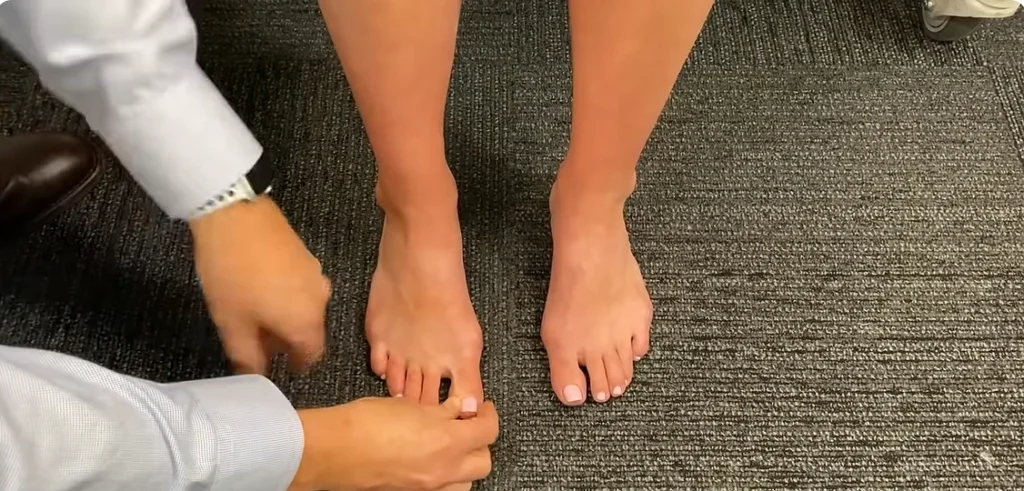
This is the part the title is really about, and it’s where early intervention earns its keep. A bunion doesn’t just sit there being a sore bump. It changes how you walk, and that altered gait sends strain rippling through the rest of your body.
Because your big toe can’t do its normal job of pushing off, your foot compensates, and that compensation causes secondary problems: hammertoes, calluses, pain in the ball of the foot, and strain that can travel up to your ankles, knees, and even lower back. A bunion is a foot problem that quietly becomes a whole-leg problem. The deformity also worsens balance and, in older people, raises fall risk.
Early treatment interrupts that cascade. By controlling the pain relief and slowing the drift while the bunion is still mild, you prevent the compensations that create the downstream damage, damage that’s often harder to fix than the bunion itself. This is the genuine meaning of “saving your feet”: not shrinking the bump, but stopping it from recruiting the rest of your body into its problem.
Surgery: The Only Real Correction, And Why Timing Still Matters
If conservative care only manages symptoms, surgery is the only thing that actually realigns the bone and removes the deformity. And it works well, that same landmark randomized trial found that at one year, 83% of surgery patients felt improved, versus 46% with orthoses and 24% with no treatment. For a painful bunion that’s genuinely interfering with life, surgery delivers what nothing else can.
But surgery is a real procedure with recovery time, and it’s not something to rush toward for a mild, manageable bunion. So the sensible sequence is: conservative care first, and surgery reserved for when the pain limits your life despite those measures, or the deformity is progressing fast. Here’s the timing catch that ties back to treating early, though: the longer a bunion goes untreated and the more severe it gets, the more complex the surgical correction becomes, and the fewer options you have. Seeing a specialist early doesn’t just delay surgery, it keeps the simpler surgical options on the table if you ever need them.