


For most people driving around New Zealand, the right car is a Toyota RAV4 Hybrid with all-wheel drive, and the other four cars on this list are for the trips where it isn’t. That might be a group of six, a budget that won’t stretch to an SUV, or a plan that involves a lot more gravel than the average week away.
Two things matter more than anything else in the brochure, how the car behaves on loose gravel, and how far it can go on one tank. Some of the best drives in the country run well over 100 km with nowhere to buy fuel, and plenty of the walks, lakes and DOC campsites sit at the end of an unsealed road.
Where The Fuel Runs Out On A New Zealand Road Trip
The Milford Road is the one that catches the most visitors. From Te Anau to Milford Sound is about 120 km, and there’s no fuel at the far end, so DOC’s own advice is to fill up in Te Anau before you go. You’ll be doing close to 240 km before you see a pump again.
A few other stretches to keep an eye on:
- Taupō to Napier: about 126 km on State Highway 5 with no petrol station, according to a 1News check of the longest gaps in the country.
- The West Coast and East Cape: the stations are further apart, and some of the small ones close early.
- The Mackenzie Country: a handful of towns, some with a single card-only pump that won’t always take an overseas card.
How Much Range Is Enough
Anything around 800 km on a tank will cover all of these with room to spare for a wrong turn or a closed station. A car that only manages 500 or 600 km can still do the trip, but you’d be planning your day around fuel stops, and that gets old fast on a two-week holiday.
Toyota RAV4 Hybrid For Most Trips
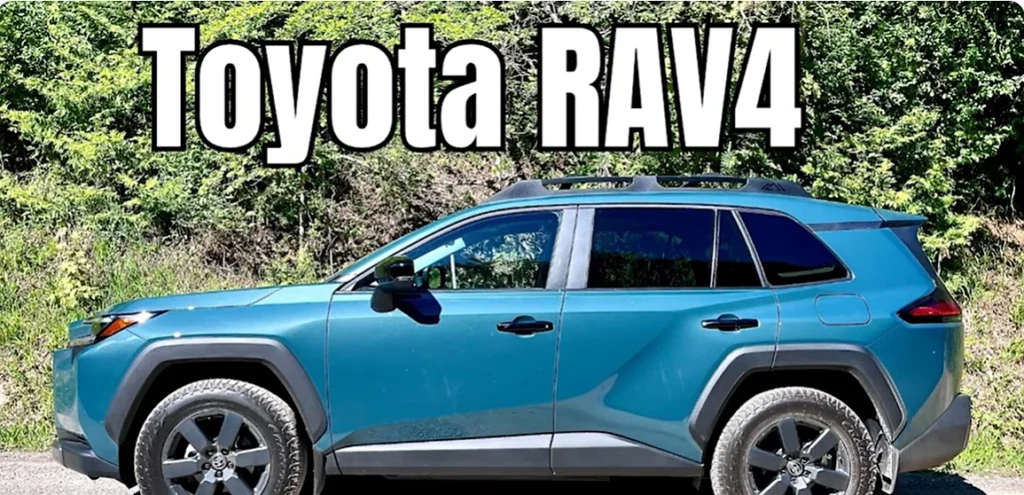
It sits high enough to clear the hump in the middle of a gravel road, it’s comfortable on the long open highways, and it’s easy on fuel. Consumer NZ measured the hybrid at close to 6 litres per 100 km in their road test. From a tank of about 55 litres, you can expect somewhere between 850 and 950 km before the light comes on.
It’s also everywhere. Most rental companies have a few on the lot, so it’s rarely a problem to book one at short notice.
Which Version To Ask For
Ask for the AWD. The front-wheel-drive RAV4 is fine on the seal, but the AWD model sends power to the back wheels when the fronts start slipping on loose metal, and that small difference makes gravel corners feel a lot calmer.
Subaru Outback If Your Route Has A Lot Of Gravel
If your plans include a lot of backroads to trailheads and lakes, the Outback is the better car on the gravel itself. It has a little over 200 mm of ground clearance, more than many SUVs, and all-wheel drive on every model. It feels settled on corrugations, the washboard ridges that build up on dry gravel roads, where a lighter car tends to skip sideways.
Range is where it falls behind the RAV4. The tank holds around 63 litres, and you’ll probably see 650 to 750 km from it. On the Milford Road that’s still plenty, but it does mean more stops overall. Fewer rental companies stock them, too, so it’s best to ask for one by name when you book.
Toyota Hilux Or Ford Ranger If The Road Gets Rough
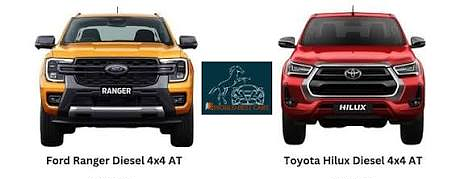
A double-cab ute only makes sense if you’re heading somewhere properly remote: high-country stations, river valleys, the kind of road the council grades once or twice a year. For those, the Hilux and Ranger are hard to beat, with low-range 4WD, high clearance and tyres made for it. The 80-litre diesel tank gives roughly 800 to 1,000 km between fills, even though they’re thirstier than the SUVs.
On a long day of sealed highway, though, they’re tiring. The ride is firm, they feel big in town, and anything in the open tray needs a cover or a seat inside.
What The Rental Agreement Still Says
Even in a 4WD, the banned roads stay banned. Skippers Canyon Road near Queenstown, Ball Hut Road in the Tasman Valley and Ninety Mile Beach turn up on most companies’ lists, and the insurance won’t cover you there.
Toyota Corolla Hybrid If You’re Sticking To The Seal
For a trip that stays mainly on state highways, a Corolla Hybrid is the cheapest way to cover a lot of ground. The tank is small at about 43 litres, but it uses so little fuel that the range comes out close to the RAV4’s. You’ll save on both the rental and the petrol.
Keep the gravel short, though. It sits low, and on rough or corrugated metal you’ll have to crawl along and listen to stones hitting the underside.
Toyota Highlander For Five Or More People
Seven seats, a big boot with the back row folded, and enough height for gravel. The hybrid is the one to get, with roughly 800 to 900 km from its 65-litre tank. Seven adults with luggage won’t fit, so it works best for five with bags.
Picking Up Your Car For A South Island Trip
Plenty of South Island trips start in Christchurch, with Arthur’s Pass, the Mackenzie and the road south to Queenstown all heading out from there. The airport desks are handy, but the companies paying for space inside the terminal usually charge for it.
You can often save by choosing to rent from outside the Christchurch airport terminals. RaD Car Hire runs a shuttle from both terminals to its branch about five minutes away, keeps 4WD SUVs, station wagons and people movers there, and lets you drop the car at another South Island branch if your trip finishes in Queenstown or Picton.
At the counter, ask two questions:
- Are tyres and windscreens covered? Stone chips and punctures are the damage most rental cars pick up on gravel.
- What kind of spare is in the boot? A lot of newer cars only carry a space-saver or a repair kit.
Fill up before Milford, before the road from Taupō to Napier and before any long run down the Coast. Do it even when the gauge still shows a quarter of a tank.

