


Bamboo pajamas may look simple, but producing them well is not. Many fashion brands run into avoidable issues such as fabric mishandling, or poor quality management. Understanding these common mistakes and how the right bamboo pajama manufacturer helps prevent them can make a big difference in product quality, customer satisfaction, and long-term brand success.
What Many Fashion Brands Get Wrong About Bamboo Pajama Production
While bamboo pajamas are often positioned as simple, soft, and eco-friendly products, the reality of producing them is far more complex. Many fashion brands underestimate the technical requirements of bamboo fabric, leading to avoidable mistakes across sourcing, manufacturing, and quality control.
Misunderstanding Bamboo Fabric Properties
Bamboo, especially bamboo viscose, is a natural fiber that goes through chemical processing to achieve its signature softness, breathability, and subtle stretch. Many brands mistakenly assume it behaves like cotton or modal, which can lead to serious production mistakes.
For example, improper handling of shrinkage during washing, using the wrong sewing temperature, or ironing at high heat can all damage the garment.
Bamboo’s delicate nature means that it responds differently to dyes and finishes compared to other fabrics, which requires careful testing. Failing to understand these nuances often results in pajamas that lose shape, fade quickly, or feel less luxurious than expected, ultimately disappointing customers.
Choosing Manufacturers Only Based on Price
Some fashion brands focus primarily on cost when sourcing a manufacturer, overlooking the technical expertise required for bamboo pajamas. Producing these garments demands precise fiber treatment, delicate stitching, and careful finishing to preserve softness and durability. Low-cost factories may cut corners, leading to uneven seams, inconsistent fabric handling, or materials that pill or stiffen after only a few washes.
More importantly, the true cost of clothing production is not just the number shown on a quotation. Hidden factors such as quality issues, production delays, complex logistics, inconsistent material sourcing, compliance risks, and additional reworks can quietly increase total expenses over time. What may seem like a cheaper option upfront often results in higher long-term costs and operational stress.
Working with an experienced bamboo pajama manufacturer means optimizing the Total Cost of Ownership (TCO) rather than chasing the lowest price.
This includes minimizing risks, ensuring consistent quality, maintaining production timelines, and providing transparency at every stage of the process. In the long run, the right manufacturing partner delivers not only reliable results, but also true value, peace of mind, and a stronger foundation for brand growth.
Neglecting Quality and Comfort Testing
Comfort is the core value of sleepwear, yet many brands limit quality control to visual checks, measurements, or basic fabric testing. For bamboo pajamas, this is not enough. Comfort can only be properly evaluated through real wear testing, where garments are worn over extended periods to assess softness against the skin, breathability, temperature regulation, stretch recovery, and how the fabric behaves during sleep.
Without wearing the product in real-life conditions such as overnight use, movement during sleep, or multiple wash-and-wear cycles brands risk missing critical comfort issues. Bamboo fabric may initially feel soft, but problems like clinginess, loss of shape, restricted movement, or discomfort in warm or humid conditions often only appear after hours of wear.
Treating comfort testing as a user experience exercise, rather than a technical checklist, allows brands to understand how the pajamas truly perform.

Comfort is key for sleepwear, and for bamboo pajamas, it must be tested through real wear to assess softness, breathability, stretch, and overall performance
Failing to Optimize Fabric Blends
Bamboo fabric is highly versatile but is rarely used alone in high-performance sleepwear. Many brands produce pajamas with 100% bamboo without considering seasonal needs or shrinkage issues. Blending bamboo with cotton, spandex, or modal can improve stretch, maintain garment shape, and enhance durability, while still preserving softness.
Using the wrong blend, or too much synthetic fiber, can reduce the natural comfort of the fabric or make the garment feel synthetic. Properly optimized blends allow for consistent performance, a better fit, and improved long-term wearability, which are crucial factors for customer satisfaction.
Overlooking Printing and Dyeing Challenges
Bamboo fibers are naturally absorbent but extremely sensitive to heat and harsh chemicals. Applying high-temperature prints or uncontrolled dyeing processes can result in uneven colors, yellowing, or weakened fibers that affect both appearance and longevity.
Some brands underestimate the need for specialized dyes, pre-treatment, or low-heat printing techniques, leading to a product that does not match its design or brand promise.
Attention to these details ensures that colors remain vibrant, prints stay intact, and the fabric maintains its luxurious softness. Ignoring these steps can turn a premium product into a mediocre one, despite careful design.
Assuming a Perfect Sample Guarantees Bulk Quality
Many fashion brands assume that once a sample is approved, the rest of the production will automatically match the same standard. In reality, producing bamboo pajamas at scale is far more complex. Each stage of the production line may involve different operators, machines, and sewing teams, so the final pieces are rarely made by the same person who crafted the sample.
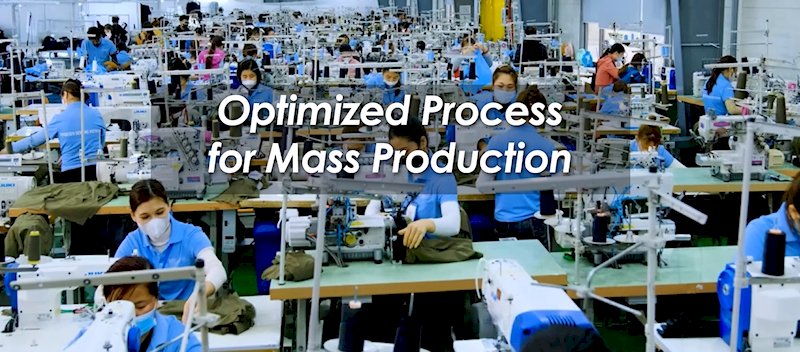
Without strict in-line quality control and clear production standards, bulk orders can easily differ from the approved sample in terms of softness, fit, color consistency, or overall feel. A flawless sample does not guarantee consistent results in mass production, and small inconsistencies can quickly add up, especially if the manufacturer lacks general experience in clothing production or specific expertise with bamboo apparel.
To ensure consistent quality in bulk production, an optimized and well-controlled process is essential, as even a perfect sample cannot guarantee identical results at scale
Ignoring Sustainability and Brand Storytelling
Bamboo is often marketed as a sustainable and eco-friendly fabric, but some brands fail to ensure that production processes align with these claims. Using chemical-heavy treatments or outsourcing to factories without verified environmental standards can lead to greenwashing accusations.
Furthermore, brands that do not communicate their sustainability story clearly miss an opportunity to connect with conscious consumers who value transparency and ethical production.
Authentic messaging about sourcing, sustainable practices, and eco-conscious benefits not only strengthens brand trust but also differentiates the product in a crowded market, making it more appealing to environmentally aware customers.
How the Right Bamboo Pajama Manufacturer Helps Reduce Mistakes
The right bamboo pajama manufacturer acts as a long-term partner and advisor, not just a transactional supplier. They collaborate with brands to optimize fabrics, manage production efficiently, and maintain consistent quality, while sharing insight and foresight to grow together. Choosing such a partner reduces mistakes, mitigates risks, and ensures that the brand can confidently deliver premium, sustainable bamboo sleepwear to its customers.

A strong manufacturer also has a wide and trusted supply chain. Sourcing materials, trims, and specialized services through an experienced partner ensures consistent quality, better pricing, and faster lead times. Brands no longer need to spend time searching for reliable suppliers or coordinating multiple vendors – everything can be streamlined under one trusted manufacturer.
The right bamboo pajama manufacturer acts as a long-term partner and advisor, not just a transactional supplier
Certifications and standards matter. Working with a certified manufacturer for example, one holding ISO 9001, OEKO-TEX Standard 100, GOTS, or other relevant textile certifications provides reliable documentation and data to back quality claims. These certifications not only give confidence in compliance, safety, and sustainability but also help brands avoid greenwashing and build trust with conscious consumers.
Equally important is having a clear and professional quality control system. A capable bamboo pajama manufacturer implements in-line inspections, end-line checks, and thorough final audits/AQL inspections to ensure every piece meets the approved sample’s standards. They can anticipate potential issues in scaling from sample to bulk production and proactively prevent inconsistencies in fit, color, or fabric feel.
In conclusion, producing bamboo pajamas involves many hidden challenges, from fabric properties to bulk production. Choosing the right pajama manufacturer ensures proper fabric handling, quality control, and sustainable practices. A trusted partner helps brands avoid mistakes, maintain consistent comfort and fit, and deliver high-quality bamboo sleepwear that meets customer expectations.

