


Homes have evolved far beyond their traditional roles as mere protective shelters; they now serve as highly expressive reflections of our personal styles, identities, and the dynamic ways in which we live. Personalizing home design is becoming essential for creating living environments tailored to personal habits, offering the comfort and satisfaction that mass-produced spaces often do not. As the relevance and value of residential construction continue to grow across urban and suburban landscapes, homeowners are exploring new ways to customize their spaces. This drive towards personalization increases convenience and visual appeal, ultimately transforming houses into true homes that support unique lifestyles and enhance daily living.
Thoughtful customization enables seamless integration of individual routines and preferences into one’s living space, creating far more supportive environments for everyday tasks and family activities.
Modern homes with tailored layouts not only look more interesting but also operate more efficiently. By intentionally designing interiors that align with personal inclinations, whether that means a dedicated workspace, a home gym, or tech-friendly living areas, homeowners create nurturing spaces that inspire creativity and accommodate the ever-changing demands of life. The results are environments that better adapt to life’s transitions while contributing to genuine happiness and satisfaction at home.
Enhancing Comfort and Functionality
Personalizing a home empowers homeowners to craft environments that complement their daily habits deliberately, address specific family priorities, and fulfill practical needs. In the kitchen, for example, custom cabinetry, well-placed outlets, lighting solutions, and tailored islands can serve as organizational hubs, making meal preparation and family gatherings more efficient. Open shelving and specialized storage help streamline cooking and cleaning for busy households or culinary enthusiasts. Similarly, bathroom spaces, when designed with spa-inspired features like rainfall showers, heated floors, or luxurious soaking tubs, offer a private retreat for relaxation and self-care after hectic days. When every nook and cranny is designed with intention, homeowners experience an improved quality of life, enjoying both beauty and usefulness in their surroundings. These enhancements make a home far more than just a place to live; they transform it into a sanctuary that supports personal comfort and day-to-day functionality.
Emotional Connection and Well-Being
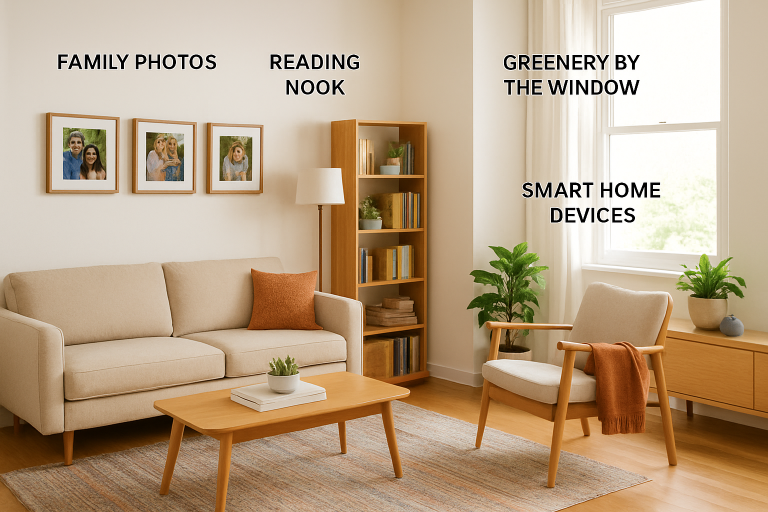
A personalized home goes beyond aesthetics to create deep emotional connections. When a space is filled with objects and design elements that resonate with a family’s history or individual milestones, such as gallery walls of cherished photographs, dedicated reading nooks, or a music corner, it fosters feelings of belonging and continuity.
The comforts of favorite textures, family heirlooms, and meaningful artwork can trigger positive memories, enhancing an overall sense of security and well-being.
For many, the ideal home environment offers a daily haven for unwinding from life’s stresses, pursuing hobbies, or hosting friends for meaningful gatherings. The emotional resonance of a thoughtfully designed home is proven to positively affect happiness and mental health, as confirmed by The New York Times Real Estate Guide, which points out that where and how you live can significantly impact your daily satisfaction and long-term quality of life.
Integration of Smart Technology
Smart home systems are rapidly reshaping the possibilities for custom home design, enabling homeowners to create living spaces that are both convenient and efficient. With devices such as automated lighting, adaptive thermostats, and programmable security systems, home environments can be controlled remotely and fine-tuned to accommodate unpredictable schedules. For instance, smart lighting can create the perfect ambiance for different times of day or for entertaining guests. Voice assistants and app-based controls enable households to control comfort and safety at the touch of a button or with a spoken command. These intelligent upgrades streamline daily routines, reduce energy waste, and make aging in place or accommodating family members with special needs much easier. As technology becomes more intuitive and accessible, embracing smart home features is now a crucial part of forward-thinking design, ensuring households remain relevant and comfortable far into the future.
Sustainability and Energy Efficiency
- Personalization offers an ideal opportunity to incorporate sustainable, energy-efficient solutions from the design phase onward. Advanced insulation, triple-pane windows, and high-efficiency HVAC systems can significantly reduce monthly utility costs while maintaining year-round comfort.
- Solar energy systems, geothermal heating, water-saving toilets, and rainwater collection solutions are increasingly sought-after choices among eco-conscious homeowners.
- Even integrating recycled, locally sourced, or low-impact materials for flooring, cabinetry, or countertops can minimize environmental footprints.
- Such decisions not only contribute to global environmental efforts but also cultivate healthier, cleaner living spaces free from common indoor pollutants.
- Making these choices is now easier than ever, as tracked by leading industry sources like The Washington Post, which showcase sustainability as a key component of the modern home.
Flexibility for Future Needs
Our lives do not remain static, and modern home design increasingly recognizes the value of flexibility. Personalized design allows for changes such as welcoming children, needing an office for remote work, or making adjustments for aging parents. Open-plan living spaces, movable partitions, and modular furniture can instantly transform a room’s function from guest suite to office or playroom. Universal design principles, wider doorways, step-free entries, or adjustable counter heights, anticipate changes in mobility and health needs, enabling homeowners to age in place with dignity. Such adaptability reduces the need for future renovations, saving time and money while supporting stability and comfort as family structures or lifestyles shift. By prioritizing flexibility, homeowners ensure their living space grows and evolves along with them.
Increased Property Value
Custom features, such as upgraded kitchens, integrated technology, or thoughtfully designed workspaces, make homes significantly more attractive to prospective buyers in a competitive marketplace. When homes boast finished basements, flexible guest suites, organized storage, or beautiful outdoor living areas, they not only enhance daily life but also extend the property’s overall market appeal. Buyers are increasingly seeking move-in-ready properties with lifestyle upgrades, making personalized homes a smart investment. These custom features reduce the need for immediate changes by the next owner and indicate a higher level of care and maintenance, which can command better resale prices and faster transactions. With shifting buyer preferences, well-designed homes with innovative features continue to stand out as sound long-term assets.
Incorporating Biophilic Design
In urban environments, especially, the craving for a connection to nature drives the popularity of biophilic design. This approach incorporates elements that introduce natural light, greenery, and organic textures, like stone, wood, and bamboo, into interior spaces. Large windows or glass doors offer sweeping outdoor views and allow daylight to flow deep into the home, helping regulate circadian rhythms and boosting mood. Interior gardens, potted plants, and green walls purify air and visually soften modern spaces. Through these design strategies, homeowners not only enrich their aesthetic surroundings but also nurture their physical and mental health, benefitting from daily exposure to natural elements even in the busiest city centers. Biophilic design creates restful, inspiring sanctuaries that offer a profound sense of well-being and rejuvenation. For more insights into biophilic design, you can refer to this resource: Benefits of Biophilic Design.
Conclusion
Personalizing home design is far more than a fleeting trend; it is a strategic and heartfelt way to enhance comfort, well-being, and adaptability in contemporary living. By customizing each element to reflect unique needs, tastes, and core values, homeowners can shape sanctuary-like interiors that are supportive, sustainable, and equipped for the challenges of tomorrow. In an ever-changing world, the integration of personal touches forms the cornerstone of a home that brings lasting satisfaction, joy, and peace of mind to its inhabitants.

