



Gastric sleeve surgery is often shown as a fast answer for weight loss. Many people see dramatic before-and-after photos online. Doctors talk about lower diabetes risk, better movement, and longer life. Family members may push someone toward surgery because they believe it will solve years of pain linked to obesity.

But there is another side that many people do not fully understand until after the operation.
Some patients feel trapped after surgery. They deal with constant nausea, severe acid reflux, food fear, depression, loose skin, weak muscles, relationship problems, and regret. Others lose weight but still feel emotionally broken. Some people even say the surgery damaged their health more than obesity itself.
This article explains the hidden struggles behind gastric sleeve surgery, why some patients regret it, what doctors often fail to explain clearly, and how life can change in ways nobody expected.
The Promise That Attracts People to Gastric Sleeve Surgery

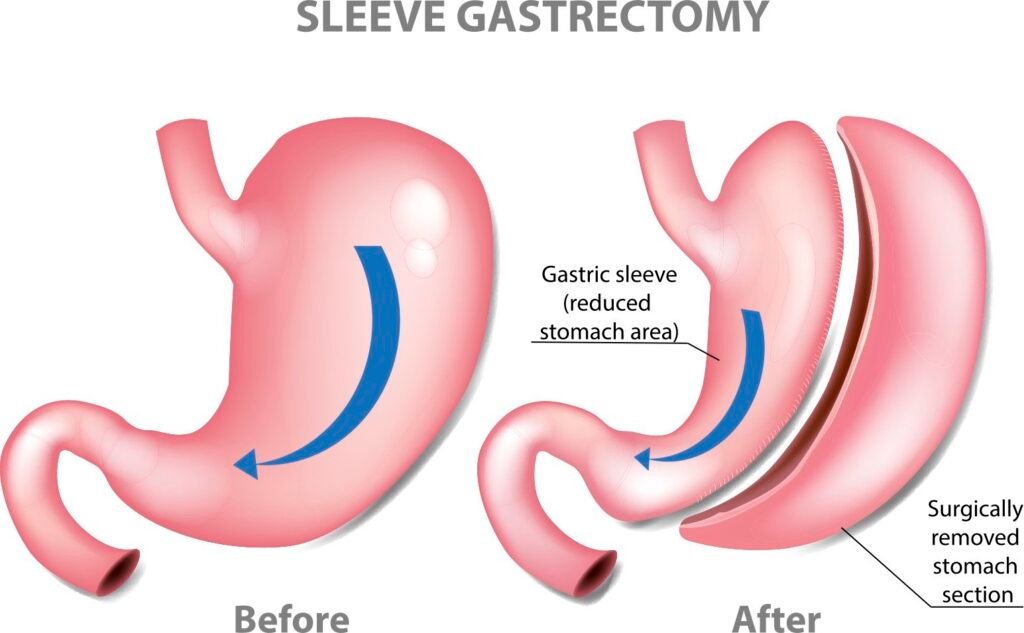
Many patients choose gastric sleeve surgery after years of failed dieting. They are tired of judgment, tired of health problems, and tired of feeling stuck. The surgery sounds simple on paper. Around 75–80% of the stomach is removed, leaving a smaller stomach shaped like a sleeve.
Patients are told they will:
- Eat less
- Lose weight fast
- Reduce hunger
- Improve health problems
- Gain confidence
- Become more active
For many people, these promises are true at first.
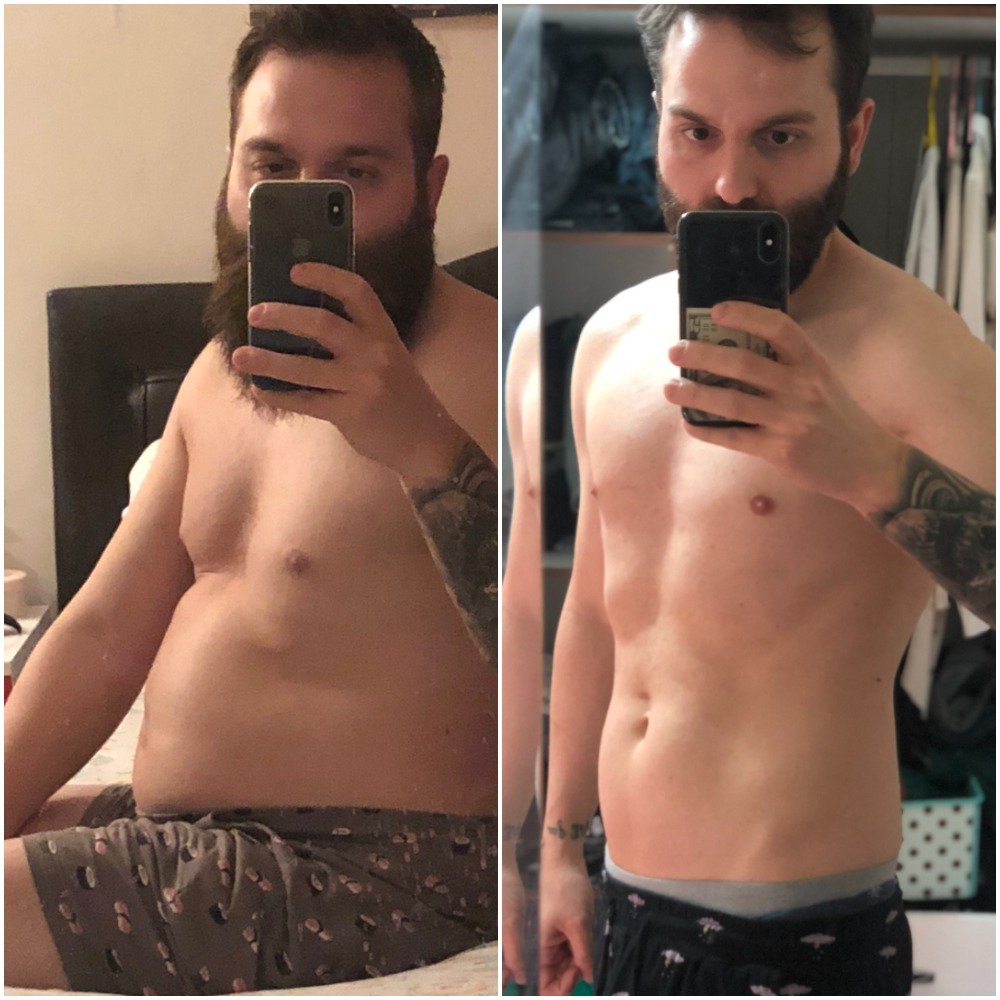
Weight drops quickly during the first year. Compliments start coming in. Blood pressure improves. Some people stop taking diabetes medication. Shopping becomes easier. Walking hurts less.
But fast weight loss can also hide deeper physical and emotional problems that appear months later.
| What Patients Expect | What Some Patients Actually Experience |
|---|---|
| Permanent happiness | Emotional confusion and regret |
| Better relationship with food | Fear of eating and guilt |
| More confidence | Body image problems from loose skin |
| Health improvement | Vitamin deficiencies and weakness |
| Freedom from obesity | Constant medical monitoring |
| Easy maintenance | Lifelong food restrictions |
The biggest issue is that surgery changes the stomach, but it does not automatically heal emotional eating, trauma, addiction patterns, or mental health struggles.
That is where many patients begin to suffer silently.
The Physical Pain Nobody Talks About Enough
Many online success stories skip over the hard recovery period. Some patients recover smoothly, but others deal with constant physical discomfort for years.
Common long-term problems include:
- Severe acid reflux
- Vomiting after meals
- Chronic nausea
- Stomach pain
- Weakness
- Hair loss
- Dizziness
- Food intolerance
- Constipation
- Fatigue
Acid reflux is one of the most common complaints after gastric sleeve surgery. Some patients say it becomes unbearable. They sleep sitting up because stomach acid rises into their throat at night.
Others say they can no longer enjoy basic foods like:
- Bread
- Rice
- Pasta
- Red meat
- Fried food
- Carbonated drinks
- Spicy meals
Eating becomes stressful instead of enjoyable.
One bariatric patient described it this way:
“I stopped eating for pleasure and started eating for survival.”
That sentence explains the emotional shift many patients feel after surgery.
Food becomes connected to pain, fear, or sickness.
Daily Physical Changes Patients Often Struggle With
| Physical Issue | How It Affects Daily Life |
|---|---|
| Acid reflux | Poor sleep and throat pain |
| Loose skin | Shame, rashes, discomfort |
| Muscle loss | Weakness and poor mobility |
| Dehydration | Headaches and dizziness |
| Hair loss | Lower self-esteem |
| Low energy | Trouble working or parenting |
| Nutrient deficiency | Brain fog and fatigue |
Many patients also struggle because they cannot drink water normally after surgery. Drinking too fast may cause pain or vomiting. Some people become dehydrated often.
This creates another hidden problem: constant monitoring.
Patients must think about:
- Protein intake
- Vitamins
- Iron levels
- Calcium
- Water intake
- Meal timing
- Portion size
Life starts revolving around food management.
The Emotional Damage Can Be Worse Than the Weight Problem
Many people think losing weight automatically creates happiness.
That idea is false for many patients.
Some people lose over 100 pounds and still hate themselves. Others become depressed because they realize weight was not the only problem in their life.
The surgery changes appearance faster than the mind can adjust.
A patient may still mentally feel overweight even after major weight loss. This creates emotional confusion.
Some patients also experience:
- Anxiety around eating in public
- Panic when weight slightly increases
- Obsession with calories
- Fear of regaining weight
- Depression from loose skin
- Isolation from social events involving food
Food often works as emotional comfort before surgery. After surgery, that coping tool disappears.
Without therapy or emotional support, patients sometimes replace food addiction with other addictions.
Examples include:
- Alcohol abuse
- Shopping addiction
- Gambling
- Excessive exercise
- Social media obsession
Research has shown increased alcohol sensitivity after bariatric surgery. Some patients become intoxicated much faster than before because the body processes alcohol differently.
This becomes dangerous because emotional pain still exists, but food is no longer available as emotional escape.
Relationships Often Change After Surgery


One issue rarely discussed openly is how relationships can change after major weight loss.
Some marriages improve.
Others collapse completely.
Rapid physical and emotional changes affect both partners. The patient may gain confidence and want a different lifestyle. Meanwhile, the partner may feel insecure or left behind.
Common relationship problems include:
- Jealousy
- Increased arguments
- Loss of attraction
- Emotional distance
- Different lifestyles
- Attention from new people
Some patients also realize they used food-centered activities to connect with loved ones. After surgery, social events feel awkward.
Imagine going to:
- Birthday parties
- Weddings
- Family dinners
- Holidays
- Restaurants
Now imagine barely eating while everyone watches.
Some patients describe feeling like outsiders during meals.
Emotional Relationship Changes After Surgery
| Before Surgery | After Surgery |
|---|---|
| Eating together as bonding | Anxiety around restaurants |
| Shared comfort habits | Different lifestyles |
| Emotional support through food | Emotional distance |
| Low confidence | Sudden attention from others |
| Stable routines | Identity confusion |
Another hidden issue is excess attention.
Some patients receive compliments constantly after weight loss. While this sounds positive, it can feel disturbing. People who ignored them before may suddenly treat them differently.
That creates anger.
Many patients think:
- “Why was I invisible before?”
- “Why do people respect me now?”
- “Was my value only tied to my body?”
These emotional questions can become overwhelming.
Loose Skin Creates a Different Body Image Problem

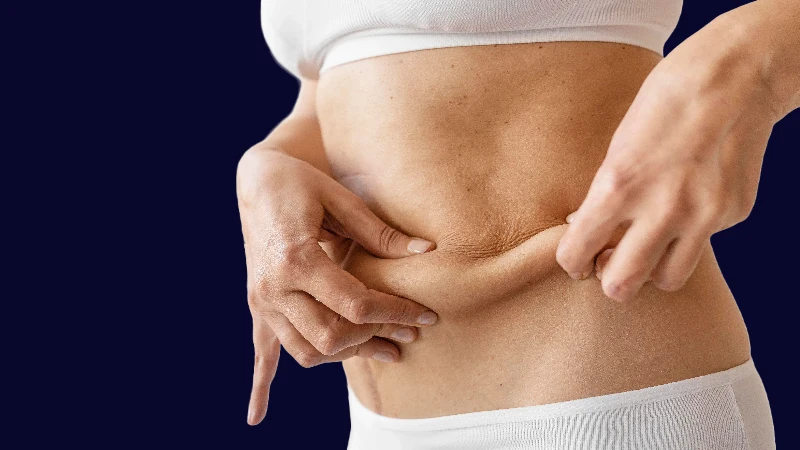
One of the biggest shocks after massive weight loss is loose skin.
Many patients are unprepared for it.
The body may shrink quickly, but skin often cannot tighten enough afterward.
Common areas include:
- Arms
- Stomach
- Thighs
- Chest
- Neck
Some patients say they traded obesity for another body image problem.
Instead of feeling proud, they avoid mirrors because of hanging skin.
Loose skin can also cause:
- Pain
- Sweating
- Skin infections
- Rashes
- Difficulty exercising
Plastic surgery is often needed to remove excess skin, but many insurance companies do not cover it unless there is severe medical need.
That leaves patients stuck with a body they still dislike.
Some people become emotionally devastated after realizing the “dream body” they imagined never appeared.
Many Patients Feel Unprepared for the Mental Battle
Doctors usually explain surgery risks like bleeding or infection. But many patients say nobody prepared them for the mental side.
Weight loss surgery changes daily life completely.
Simple activities become complicated:
- Eating out
- Traveling
- Drinking water
- Taking medication
- Celebrating holidays
- Dating
- Grocery shopping
Patients must also handle constant comments from others.
Examples include:
- “You look amazing now.”
- “You were prettier before.”
- “Don’t lose too much weight.”
- “Did you cheat by getting surgery?”
- “You look sick.”
No matter what happens, criticism often continues.
This emotional pressure becomes exhausting.
Mental Struggles Common After Gastric Sleeve Surgery
- Regret
- Depression
- Fear of regain
- Social anxiety
- Identity confusion
- Eating disorders
- Body dysmorphia
- Obsession with weight
Some patients say they became more mentally unhealthy after surgery than before.
That statement surprises many people, but it happens more often than most realize.
The Fear of Weight Regain Never Fully Leaves
One major issue after gastric sleeve surgery is the constant fear of gaining weight back.
Many patients become obsessed with the scale.
Even small weight increases can trigger panic.
This fear grows stronger because some patients do regain weight years later.
The stomach can stretch over time. Old eating habits may slowly return. Stress eating can reappear.
Patients often live with thoughts like:
- “What if I fail again?”
- “What if everyone judges me?”
- “What if I become obese again?”
That fear can become mentally exhausting.
Some people weigh themselves several times daily.
Others avoid social events because they fear losing control around food.
This creates a cycle where life becomes centered around body monitoring instead of freedom.
Ironically, many people get surgery hoping for freedom from food obsession, but some become even more controlled by food afterward.
Social Media Creates Unrealistic Expectations
Social media has heavily shaped public views about gastric sleeve surgery.
Most viral videos show:
- Fast weight loss
- Tiny waists
- New clothes
- Gym selfies
- Smiling before-and-after photos
Very few creators show:
- Vomiting episodes
- Mental breakdowns
- Hair falling out
- Loose skin infections
- Depression
- Regret
This creates false expectations.
Many patients enter surgery thinking:
- “This will fix my whole life.”
- “I will finally love myself.”
- “Everything will improve.”
When reality becomes difficult, they feel shocked and ashamed.
Some avoid speaking honestly because society expects gratitude after dramatic weight loss.
Patients who regret surgery are often attacked online.
People say things like:
- “You should be thankful.”
- “At least you lost weight.”
- “You did not try hard enough.”
This pressure silences real experiences.
Eating Never Feels Normal Again for Some Patients


Many patients say they mourn their old relationship with food.
That statement sounds strange to people who have never struggled with obesity, but food carries emotional meaning.
Food can represent:
- Comfort
- Family
- Celebration
- Culture
- Safety
- Love
After surgery, eating often becomes clinical and controlled.
Patients must chew slowly, eat tiny portions, and stop immediately when full.
Some people adapt well.
Others feel emotionally empty.
A simple family dinner may become stressful because eating too much can cause pain or vomiting.
Certain patients also develop fear around eating in public because they worry about becoming sick.
Foods That Commonly Cause Problems After Surgery
| Food Type | Common Reaction |
|---|---|
| Bread | Stomach discomfort |
| Steak | Difficulty digesting |
| Sugary foods | Nausea |
| Fried food | Vomiting or cramps |
| Soda | Pain from gas pressure |
| Large meals | Severe discomfort |
Some patients describe eating as “work” instead of pleasure.
That emotional loss is rarely discussed before surgery.
Financial Problems Become Another Burden
Many people focus only on surgery costs, but long-term expenses can become serious.
Patients may spend money on:
- Vitamins
- Supplements
- Protein products
- Therapy
- Skin removal surgery
- Medical tests
- Follow-up appointments
Loose skin surgery alone can cost thousands of dollars.
If complications develop, expenses increase even more.
Some patients feel trapped financially after surgery because ongoing care becomes permanent.
Some Patients Feel Their Identity Was Destroyed
Weight loss changes how people see you.
But it can also change how you see yourself.
Some patients spent decades identifying as “the overweight person.” That identity shaped their personality, humor, relationships, and coping habits.
After rapid weight loss, they no longer recognize themselves emotionally.
This creates identity confusion.
Questions begin appearing:
- “Who am I now?”
- “Why do I still feel insecure?”
- “Why am I still unhappy?”
- “Why does attention feel uncomfortable?”
The body changes faster than emotional healing.
Without proper mental support, this gap becomes painful.
Doctors Sometimes Oversimplify the Surgery
Many bariatric clinics advertise success heavily.
Success stories attract new patients.
But some patients feel doctors minimize the risks.
Common complaints include:
- Limited discussion about regret
- Weak mental health screening
- Unrealistic promises
- Poor long-term follow-up
- Pressure to move quickly into surgery
Not every clinic behaves this way, but many patients say they felt emotionally unprepared afterward.
A good bariatric program should include:
- Psychological support
- Nutrition education
- Long-term counseling
- Honest risk discussion
- Realistic expectations
Without these supports, patients may struggle badly after surgery.
Why Some Patients Still Say Surgery Saved Their Life
Even with all these problems, many people still believe gastric sleeve surgery helped them survive.
That is important to understand.
For patients with severe obesity, surgery may reduce deadly risks linked to:
- Diabetes
- Sleep apnea
- Heart disease
- High blood pressure
Some people truly regain mobility and independence.
Others become active parents again.
Some avoid early death because of surgery.
The problem is not that gastric sleeve surgery always ruins lives.
The real problem is that the public conversation is often too simple.
People hear:
- “Surgery changed my life.”
But they do not hear:
- “I still struggle emotionally every day.”
- “I developed severe reflux.”
- “I lost weight but lost joy too.”
- “I regret it sometimes.”
The truth is more complicated.
Warning Signs Someone May Not Be Emotionally Ready
Some people rush into surgery while emotionally vulnerable.
That can increase regret risk later.
Potential warning signs include:
- Expecting surgery to fix depression
- Believing weight loss will save a relationship
- Untreated binge eating disorder
- Severe body hatred
- Unrealistic expectations
- Lack of emotional support
- Poor understanding of lifelong changes
Surgery changes anatomy, but it cannot solve emotional wounds by itself.
That requires long-term mental work.
Signs a Patient May Need More Mental Preparation
| Warning Sign | Why It Matters |
|---|---|
| Emotional eating | Old habits may return |
| Untreated depression | Mental health may worsen |
| Unrealistic goals | Leads to disappointment |
| No support system | Higher isolation risk |
| Food addiction patterns | Surgery removes coping tool |
| Expecting instant happiness | Emotional crash possible |
Patients who receive therapy before and after surgery often adapt better emotionally.
What Many Patients Wish They Knew Before Surgery
When people openly discuss regret, certain themes repeat often.
Many patients say:
- “I wish I understood the mental side.”
- “I thought weight loss meant happiness.”
- “Nobody warned me about reflux.”
- “I was not prepared for loose skin.”
- “I miss eating normally.”
- “I underestimated the lifestyle changes.”
These statements appear repeatedly in patient communities.
That does not mean surgery always fails.
It means informed consent should include emotional truth, not just medical benefits.
Real Recovery Requires More Than Weight Loss


True recovery after gastric sleeve surgery is not only about pounds lost.
Real recovery includes:
- Mental stability
- Emotional healing
- Healthy coping habits
- Realistic expectations
- Balanced eating behavior
- Physical strength
- Self-respect
Some patients achieve this balance.
Others continue struggling for years.
The hardest part is that many regretful patients feel guilty speaking honestly because society praises weight loss so strongly.
That silence leaves future patients uninformed.