



Gum disease, also known as periodontal disease, is a common but often overlooked condition that impacts millions of people worldwide. It typically begins when bacteria-laden plaque builds up along the gumline, triggering inflammation and irritation. If left untreated, this early stage, called gingivitis, can advance to periodontitis, a more severe form in which gums recede, bone is lost, and teeth may even be lost. Understanding gum disease and its causes is crucial not only for your oral health but also for your overall health.
The root causes of gum disease are most often tied to poor oral hygiene, which allows harmful bacteria to flourish. Other major risk factors include smoking, certain medications, genetic predispositions, and underlying conditions like diabetes. Taking action with daily brushing, flossing, and regular dental care is essential for prevention.
The Connection Between Gum Disease and Heart Health

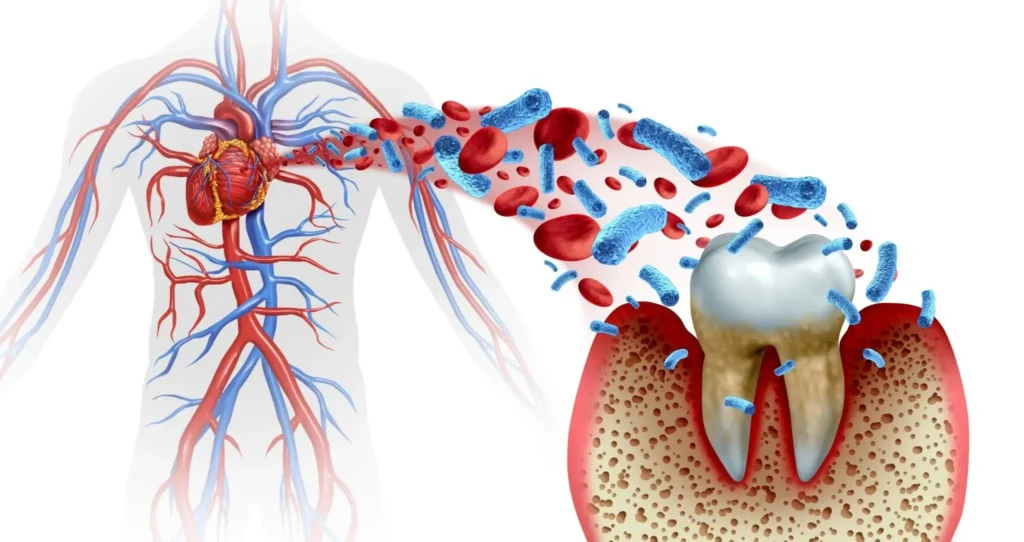
Researchers have found a strong association between gum disease and cardiovascular problems such as heart disease and stroke. The bacteria from gum infections can enter the bloodstream, triggering widespread inflammation. Chronic inflammation contributes to the buildup of arterial plaque, making blood vessels less flexible and more susceptible to dangerous blockages. According to the American Heart Association, maintaining good oral health may lower the risk of heart attacks and major cardiovascular events.
Gum Disease and Diabetes: A Two-Way Street

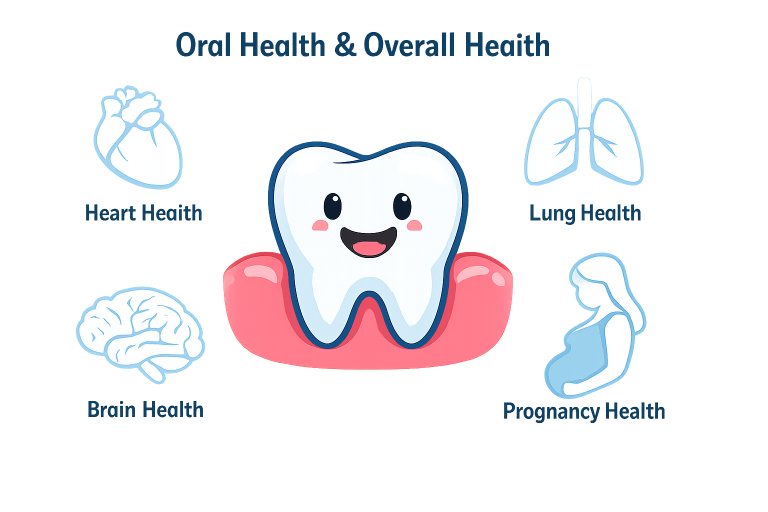
There is a well-documented, two-way relationship between gum disease and diabetes. Those with diabetes are more vulnerable to infections, including gum problems, due to impaired immune function and higher blood sugar levels. Conversely, untreated gum disease can make it harder to manage diabetes by raising blood sugar and increasing the risk of diabetes complications. This makes diligent oral hygiene and regular dental check-ups particularly crucial for individuals with diabetes, as even slight improvements in gum health can positively impact overall diabetes management.
Impact on Respiratory Health
Gum disease has implications beyond the mouth, including respiratory health. When bacteria from the mouth are inhaled into the lungs, especially in individuals with pre-existing lung conditions, it can trigger or worsen infections such as pneumonia or bronchitis. Older adults and those with compromised immune systems are at even higher risk. Proper oral care and professional cleanings help minimize this pathway and protect respiratory well-being. More information on this link can be found at CDC Oral Health Conditions.
Gum Disease and Cognitive Decline

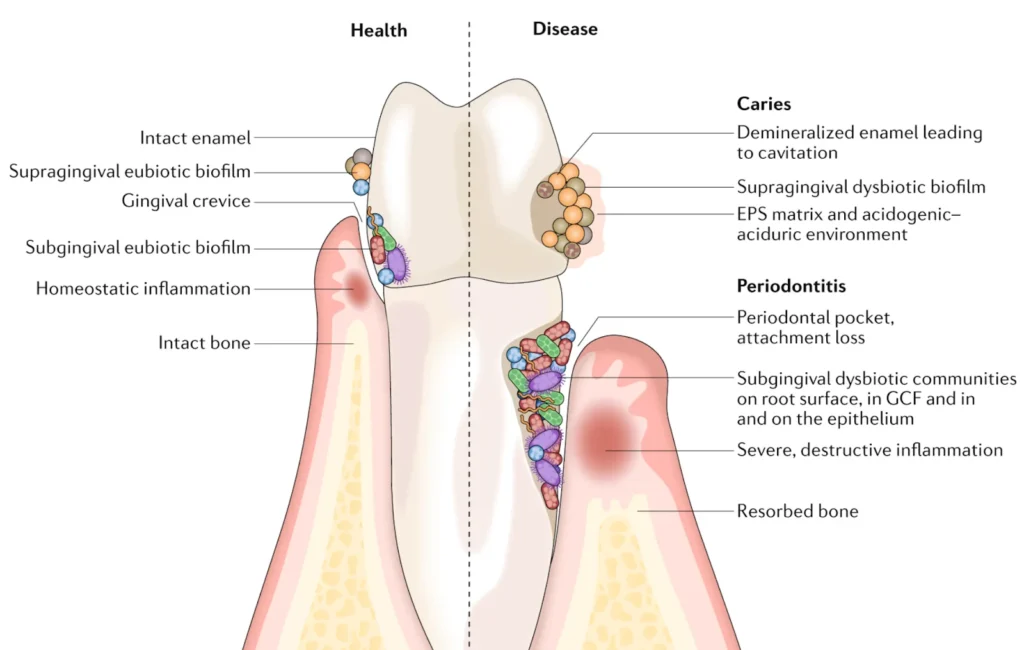
New research is revealing a potential link between gum disease and a higher risk for cognitive decline, including conditions like Alzheimer’s disease. Oral bacteria have been discovered in the brains of individuals with Alzheimer’s; these microbes are thought to cause inflammation that may accelerate neurodegenerative processes. While more research is needed, routine oral hygiene may help lower the risk of memory disorders as we age.
Effects on Pregnancy Outcomes
Gum disease can seriously affect pregnancy outcomes. Pregnant women with gum disease are at a greater risk of complications such as preterm labor and delivering babies with low birth weight. Inflammatory chemicals and bacteria from untreated gum disease can enter the bloodstream, influencing fetal development. Good prenatal dental care and frequent cleanings, especially during pregnancy, are important steps to safeguard both maternal and infant health.
Gum Disease and Immune Health

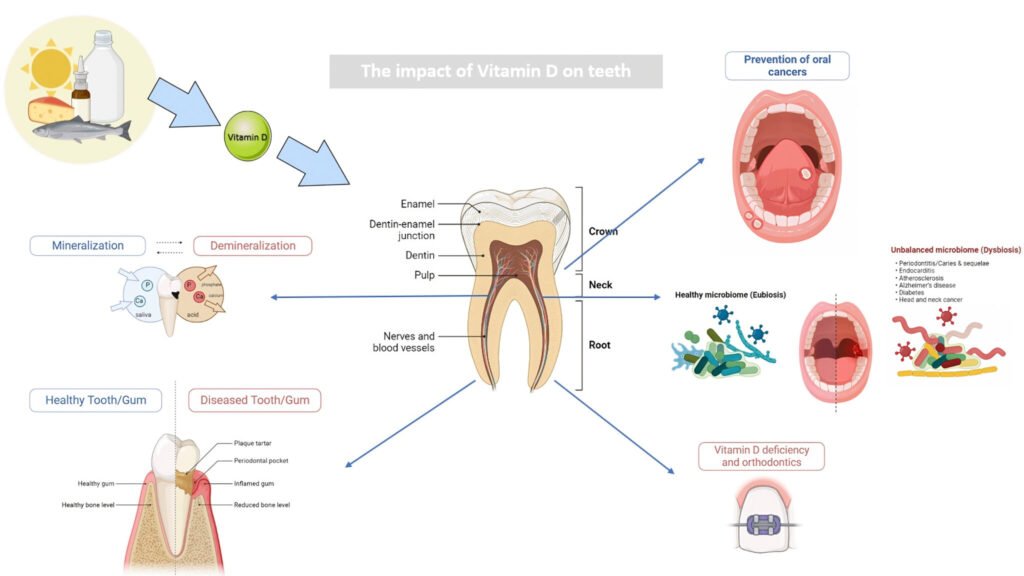
Another often-overlooked aspect is the effect of gum disease on the immune system. Chronic inflammation in the gums is a sign that the immune system is constantly engaged in fighting infection. This ongoing battle can put additional strain on your body’s defenses, making you more susceptible to other infections or health problems. Individuals with compromised immune systems, such as those undergoing cancer treatment or living with autoimmune disorders, may find that unchecked gum disease further weakens their immune response. A healthy mouth supports a balanced immune system, underscoring the broader health role of dental care.
Quality of Life and Social Well-Being


Beyond physical health, gum disease can negatively affect psychological and social well-being. Chronic gum inflammation often leads to persistent bad breath (halitosis), unsightly gum recession, and tooth loss, all of which can affect confidence and interpersonal relationships. People suffering from gum disease may be less likely to smile, speak, or participate in social activities due to embarrassment or discomfort. This illustrates another dimension of gum disease’s impact: it can influence quality of life far beyond the dental chair. Optimizing oral health can improve not only your physical well-being but also your social interactions and mental well-being.
Preventive Measures and Treatment
Preventing gum disease is achievable through well-established daily routines. This includes brushing twice per day with fluoride toothpaste, flossing daily, and undergoing regular dental check-ups for professional cleanings. For those who already have gum disease, common treatments are scaling and root planing to remove tartar and bacteria below the gumline, as well as possible surgical procedures for advanced cases. Successful management helps reduce the severity and consequences of gum disease and its effects on your overall health. You can find comprehensive dental care guidelines through the Mayo Clinic’s periodontitis resource.


Additionally, your diet and overall lifestyle play a significant role in gum health. A diet high in processed sugars and low in vitamins A and C can contribute to gum problems, while a balanced diet supports gum healing and strengthens the immune system. Reducing or eliminating tobacco use can also dramatically lower your risk of both gum disease and its associated health complications. Staying informed and proactive about dietary and lifestyle choices is key to a comprehensive approach, helping ensure a healthy smile and a healthy future.
Conclusion
Gum disease poses risks far beyond oral discomfort or tooth loss. Its strong ties to cardiovascular disease, diabetes, respiratory issues, cognitive decline, and pregnancy complications highlight its importance as a pressing public health concern. Maintaining excellent oral hygiene practices and keeping up with dental appointments are powerful steps everyone can take to safeguard not only their smile but also their entire body’s health.