


As parents, we are constantly looking for ways to set our children up for success. While academic achievement and a loving home environment are foundational, there is another powerful tool that can dramatically shape a child’s development. Engaging in organised sports offers far more than just physical fitness. It provides a dynamic, engaging environment where young people can learn essential life lessons, build emotional resilience, and develop robust social skills that will serve them well into adulthood.
By participating in group activities, children discover how to navigate complex social situations in a safe and supervised setting.
The Psychological Benefits of Team Participation

Physical activity is well known for its positive impact on cardiovascular health and motor skills. However, the mental health benefits of group activities are equally profound. When children join a team, they enter a supportive community that can buffer against common emotional challenges. This structured social interaction helps them build confidence, foster empathy, and develop a strong sense of belonging.
There is strong evidence supporting these psychological advantages. A recent national study involving 11,235 youth aged 9 to 13 found that kids involved in team sports were less likely to display signs of anxiety, depression, withdrawal, and social problems.
Developing Communication and Cooperation
Team sports are essentially a fast-paced classroom for communication. To succeed during a game or practice, children must learn to interact effectively with their peers, respect their opponents, and follow instructions from authority figures. Whether they are passing a ball or setting up a defensive play, they are constantly decoding non-verbal cues and verbal commands.
For parents looking to introduce these concepts early, enrolling children in structured activities like basketball lessons for kids provides an excellent, engaging environment. In these settings, young athletes must pay close attention to their coaches and referees. This focused attention naturally reinforces the efforts you make at home. If you are actively working on promoting strong listening skills in your children, the practice they get on the court by maintaining eye contact with their coach and stopping their activity to hear instructions will be incredibly beneficial. Good communication skills are universally valuable, and the sports field is one of the best places to refine them.
Life Skills Learned on the Court or Field

Beyond the immediate physical and mental health perks, organised sports cultivate long-term habits that children carry into their academic and professional lives. The controlled adversity of competitive games teaches them how to effectively handle pressure, manage interpersonal conflicts, and adapt to rapidly changing situations. These environments simulate real-world challenges, allowing children to practice problem-solving in real time alongside their peers.
Some of the most critical life skills developed through regular sports participation include:
- Handling setbacks gracefully: Losing a match or missing a crucial shot teaches children that failure is a temporary and necessary part of growth. They learn to process disappointment, congratulate the winning team, and focus on improving for the next session.
- Discipline and time management: Balancing schoolwork, family time, and sports practice requires a high level of organisation. Children quickly learn the importance of showing up on time and dedicating consistent effort to see progress.
- Working towards a common goal: Team sports shift the focus from individual success to collective achievement. Kids learn that supporting a teammate who is struggling is just as important as scoring points themselves.
Setting the Foundation for a Healthy Future
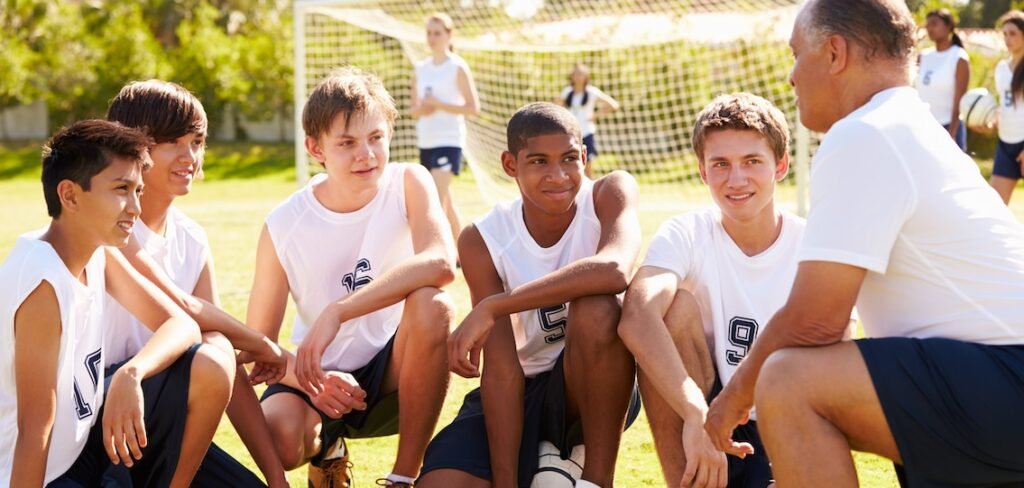
Encouraging your child to participate in organised sports is an investment in their holistic development. The benefits extend far past the boundaries of the playing field.
From reducing the risk of childhood anxiety to reinforcing the listening skills you teach at home, the advantages are both immediate and lifelong.
By finding an activity that your child genuinely enjoys, you give them a fun, active outlet to build resilience, forge meaningful friendships, and learn the value of hard work. Ultimately, the lessons they learn while wearing a team jersey will shape the confident, capable adults they are destined to become.

