



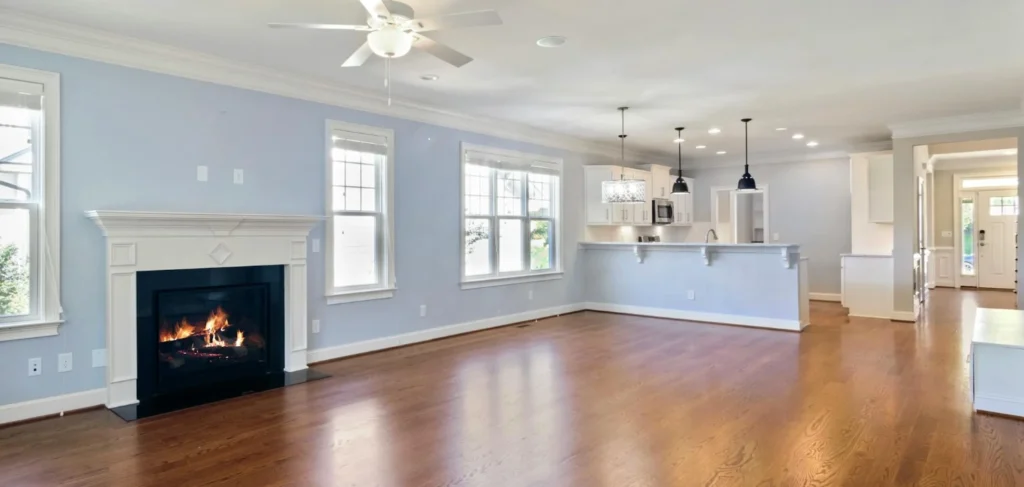
So you finally made the move. The boxes are stacked in the hallway, you have a cup of coffee in your hand, and you’re standing in the middle of a space that doesn’t feel like yours yet. That feeling is completely normal. Whether you just left a neighborhood in Orlando you’d called home for years or made a cross-country leap somewhere entirely new, walking into an empty home can feel a little disorienting.
The walls are bare, the rooms echo, and nothing has a place yet.
But here’s the thing: this blank space is actually a gift. You don’t have to work around someone else’s choices or live with colors you picked five years ago when your taste was completely different. You get to start fresh, and not everyone gets that chance. Designing a home from scratch after relocating sounds overwhelming at first, but when you break it down into the right steps, it becomes one of the most rewarding projects you’ll take on.
Start With the Practical Stuff Before You Think About Aesthetics

Before you start browsing furniture or picking out paint swatches, take care of the basics. The design process starts earlier than most people think, and it actually begins with how your belongings arrive. If you worked with reliable Orlando long distance movers who handled your items with care, offered proper packing, and provided specialty crating for fragile or valuable pieces, you’ll find yourself in a much better position on move-in day. Your furniture arrives intact, your art isn’t damaged, and you have real pieces to work with from day one rather than starting completely from zero.
Once everything is inside, take stock. Walk through each room and make a simple list of what you brought with you, what’s in good shape, what might need to be repaired or replaced, and what you no longer need at all. Don’t skip the measuring step either. Before you buy a single new piece of furniture, measure your rooms and note the dimensions. A sofa that looked right in your old living room might overwhelm a smaller space or get lost in a bigger one. This practical groundwork saves you money and a lot of frustration later.
Walk Through Each Room Before You Commit to a Style
Give yourself a few days before making any real decisions. Seriously. Live in the space a little. Notice where the morning light comes in, which rooms feel naturally warm, and which ones stay cool in the afternoon. Pay attention to how you move through the home. Where do you naturally walk first? Which areas feel cramped, and which feel wide open?

The architecture and layout of your new home should guide your early design choices more than your Pinterest board should. If your new place has lots of natural wood or exposed brick, leaning into that texture makes more sense than fighting against it. If the ceilings are low, heavy dark furniture and thick drapes are going to make rooms feel smaller. Let the bones of the space talk to you before you decide what direction you want to go.
Pick a Color Palette That Works for the Whole Home
One of the most common mistakes people make after relocating is treating each room as its own separate project. You end up with a navy blue bedroom, a bright yellow kitchen, and a gray living room, and nothing feels connected. A cohesive color palette across your home makes even a modest space feel more intentional and pulled together.
Start with a base of two or three neutral tones that work well together. Think warm whites, soft greiges, or light taupes. Then layer in accent colors through pillows, art, rugs, and smaller furniture pieces. If your new home is in a warmer climate, you might naturally gravitate toward lighter, airier tones. Cooler climates often call for richer, warmer shades that make spaces feel cozy. Either way, pick your palette before you start buying anything, and carry those colors through the whole house. It doesn’t have to be matchy, but it should feel like one home.
Prioritize the Rooms You Use Most


You don’t have to finish every room before you feel at home. In fact, trying to do everything at once usually means nothing gets done well. Instead, pick the two or three rooms that matter most to your daily routine and focus your energy there first.
For most people, that’s the bedroom, the living room, and the kitchen.
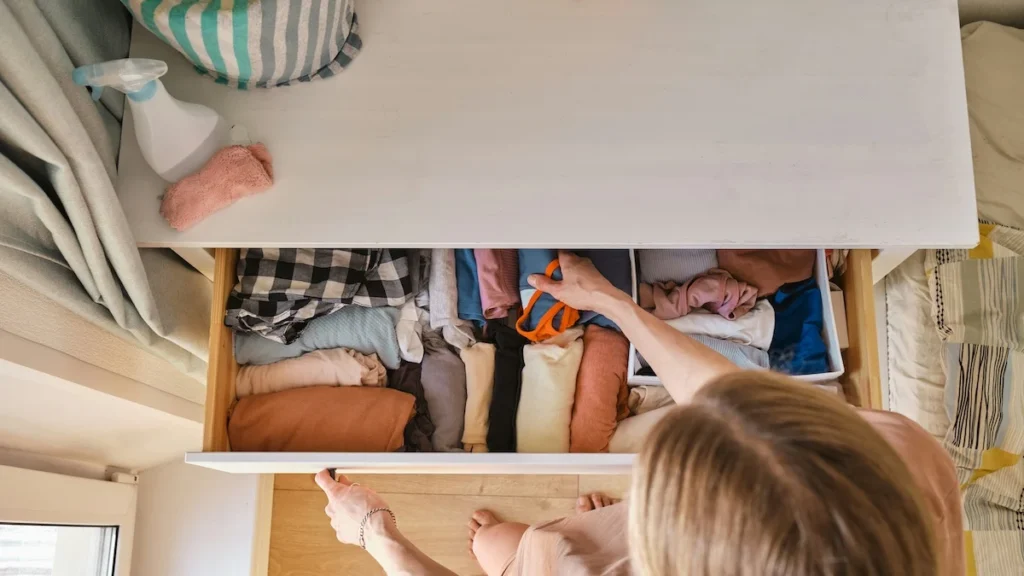
Getting your bedroom right matters more than you might expect. Good sleep in a comfortable, well-organized room sets the tone for everything else. Once your most-used spaces are set up properly, the rest of the house can come together over weeks or even months without it feeling chaotic.
When setting up each room, work in layers. Start with the largest furniture pieces and get the layout right. Then add a rug to anchor the space. Layer in lighting next, because lighting changes everything. Finally, bring in accessories and personal touches. Following this order keeps you from buying decorative items before you know what the room actually needs. If you want ideas for keeping your new home in great shape as you settle in, looking into preventative home maintenance habits early can save you a lot of money and headaches down the road.
Mix What You Already Own With What the New Space Needs


Relocating doesn’t mean throwing out everything you owned before. That approach gets expensive fast and often results in a home that feels like it was styled in a weekend rather than lived in over time. The homes that feel the most comfortable are the ones that mix pieces from different chapters of a person’s life. Go through what you brought and identify your anchor pieces. These are the items that have good bones, that you genuinely like, and that can work in the new space with a little thought.
All in all, designing a new home from scratch takes time, and that’s okay. There’s no deadline, and the best spaces grow slowly. Focus on getting the foundations right, trust your instincts, and let the home reflect who you are right now, not who you were three moves ago.