


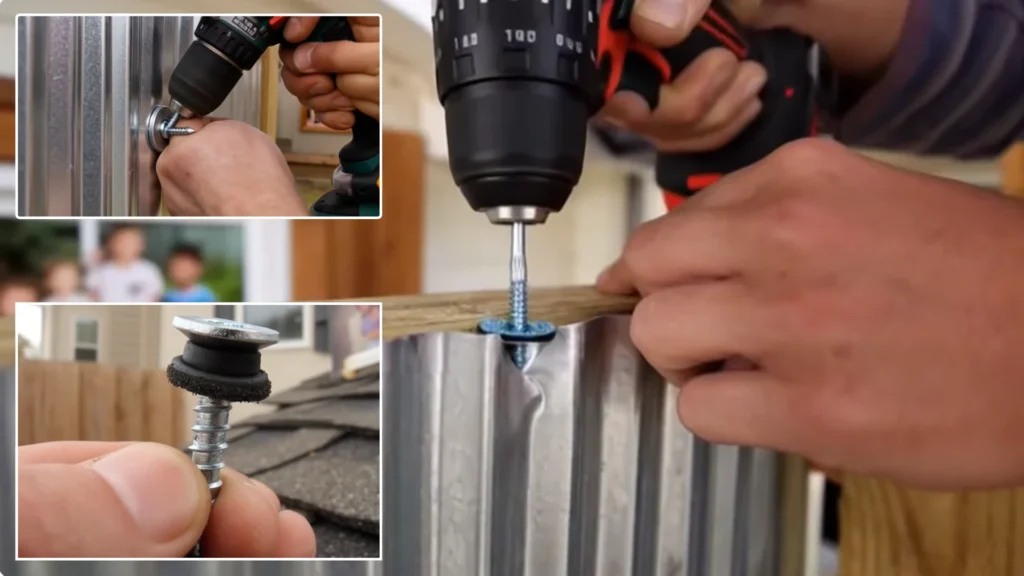
You can rent a power auger on a Saturday morning and have every hole dug before dinner. Hanging rails and nailing up pickets is slower, but there’s nothing in it a patient person can’t pick up from a couple of videos. That’s why so many homeowners take on their own fence, and why a fair number of those fences look perfectly good on the day they’re finished.
The trouble shows up later, and it’s nearly always in one of two places. Either the posts weren’t set deep enough for the ground they’re standing in, or the fence isn’t quite where the owner had a right to put it. A local contractor’s real value is in those two things. The carpentry you could probably manage.
The Line On The County Map is Not Your Property Line
Start here, because this is the mistake that costs the most to undo.
Homeowners tend to go by what’s already on the ground, such as the old fence or the strip where next door’s mowing stops. Or they pull up the county’s parcel viewer and see a neat yellow line across the aerial photo. That map exists so the county can send tax bills. It was never meant to be built to, and an old fence only shows where somebody decided to put a fence in 1987.
A licensed surveyor is the person who can tell you where the lot ends. They locate the metal pins at the corners, or set new ones, and stake the line between. Expect to pay from a few hundred dollars to something over a thousand. We’d call that cheap, given that the alternative may be taking out a finished fence, concrete and all.
Footings add a complication of their own. A post set in concrete is much fatter below ground than above. With a twelve-inch footing, the concrete spreads six inches either side of the post’s center. Portland is one city that spells out that the footings, as well as the boards, have to sit inside your own lot. Put the post exactly on the line there and half of its footing is trespassing.
Setbacks are a separate question from the boundary. Your town may let a back fence sit right on the line. It may want it a foot or two inside. Corner lots and front yards usually come with tighter limits so drivers can see. The survey won’t tell you any of that; the planning office will.
And whatever the survey says, knock on the neighbor’s door first. HouseLogic’s advice on fence etiquette boils down to no surprises, which is about right.
How Much of a Post Belongs Underground
More than you’d guess: for a six-foot privacy fence, about 32 inches of an eight-foot post, and deeper again where winters are hard.
Count a Third Of The Whole Post
The rule you’ll find in Bob Vila’s guide to setting fence, and nearly everywhere else, is that the bottom third of the post goes in the ground. Where DIY builders slip is in what they take a third of. They work from the height of the fence and buy posts to match. The third has to come off the full length of the post, buried part included, so a six-foot fence wants a post close to eight feet long.
Then Check How Deep Your Ground Freezes
Soil with water in it expands when it freezes. A post that stops short of the frost depth gets gripped and nudged upward, winter after winter, until the fence line has a wave in it. In northern states the frost can reach three feet down and well beyond, so the one-third figure is only a minimum there. The installer Long Fence tells customers to finish at least six inches under the local frost line.
If you don’t know that depth for your address, your building department does. So does any contractor who has worked in the area for a few seasons.
Dig it Wide, And Put Gravel at The Bottom
A hole should be about three times the width of the post, which for an ordinary 4×4 means twelve inches across. Skimp on the width and there isn’t enough concrete around the post to hold it against the wind. Angi’s instructions on how to install a fence post also allow roughly six extra inches of depth for a layer of gravel, which lets rainwater drain off instead of pooling around the foot of the timber.
Corner and gate posts take more strain than the ones in a straight run, and they’re normally set deeper.
The arithmetic is simple enough. Sticking to it for thirty or forty holes is the hard part, particularly when the auger meets a rock at twenty inches and the daylight is going.
Before Anyone Digs, Somebody Has to Call
Gas, electric, water and cable lines run under perfectly ordinary lawns, and they often follow lot edges, where fences go. A call to 811 a few days ahead gets them marked with flags or paint. The service costs nothing, and making the request is a legal requirement.
You’d think that would settle it, yet when the Common Ground Alliance surveyed homeowners who were planning to dig, close to four in ten said they wouldn’t bother calling. The alliance’s Sarah Magruder Lyle told WTOC in October 2026 that strikes on buried lines are going up as building picks up. That report included a point worth underlining for anyone hiring help. If a contractor does the digging, it’s still on you to check the request went in.
Rules That Change From One Town To The Next

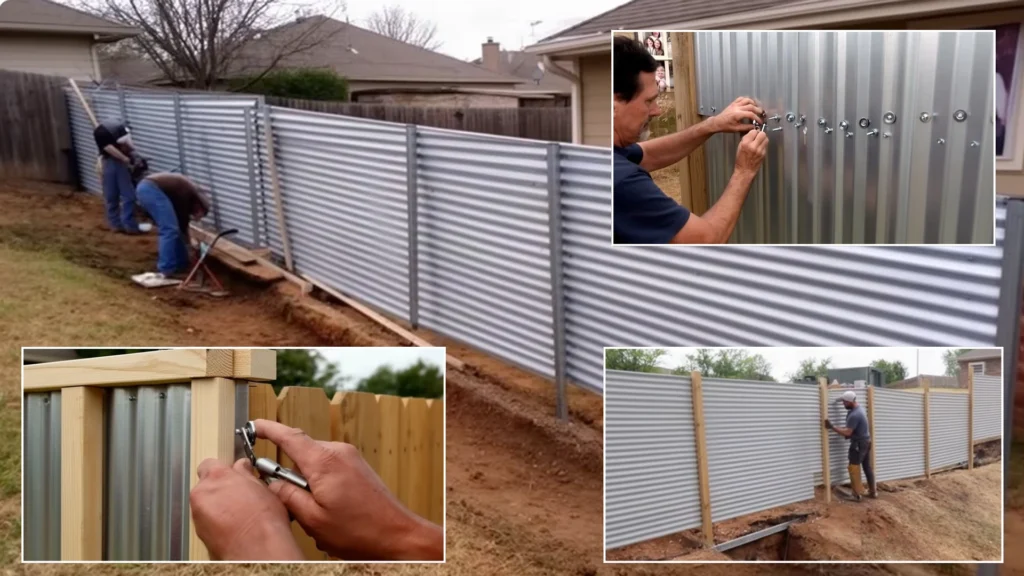
No national guide can give you these, so treat the list as questions for your own planning office:
- How tall can the fence be? Six feet at the back and four at the front is a common pattern, and your town may differ.
- Is a permit needed, and from what height?
- Are there limits on where it can stand, even if no permit is required?
- Does a homeowners’ association have a say on style or color?
- Is it going around a pool? Pool fences have their own height and gate rules, and this guide to pool deck safety covers the rest of that job.
What You’re Paying a Local Installer For
Mostly you’re paying for someone who already has answers to everything above for the place you live.
Someone who has put up fences in your county for years knows how deep the frost goes there. They know which streets are on heavy clay that stays wet until May, and which have a shelf of rock eighteen inches down, and they bring the equipment to get through it. They’ve filed permit applications with your town before, so they know what the office asks for. When a customer points at a hedge and says “the line’s about there,” a decent installer asks to see the survey.
It’s worth finding out who will be standing in your yard, too. Selling a fence and building one are different jobs, and some firms pass the building to whoever is available. OnPoint Fencing, a licensed and insured installer in Oregon, says on its website that the work is done by its own craftsmen and that it uses no subcontractors. Whether you’re talking to them or to a firm on the other side of the country, that’s a question to put early.
Fences That Are Fine to Build Yourself
We wouldn’t tell anyone to hire a crew for twenty feet of picket fence along a flower bed. A low fence well inside your own lot, a couple of screening panels by the trash cans, a like-for-like repair using the old post holes: go ahead. If one post is half an inch out, the cost is a slightly crooked picket.
A six-foot fence along a shared boundary is another matter, and so is anything long, anything on a slope, and anything in a cold-winter state. Get quotes for those. When you do, the installer’s answers to a few questions will tell you most of what you need:
- How deep will the posts go for this height, in this soil, and why that depth?
- How wide are the holes, and what goes in the bottom?
- Will you build from my survey? How far inside the line do you set posts?
- Who handles the permit, and who makes the 811 request?
- Will your own employees be doing the work?
- What’s covered by the warranty?
Listen hardest to the first answer. A real installer gives a number straight away and can explain where it comes from.
After that it’s ordinary upkeep. Walk the fence each spring, push on a few posts, tighten what’s loose. It takes ten minutes and sits comfortably beside the gutter and deck checks in these preventative home maintenance tips.