


Storm season in Portland, Oregon, can arrive with little warning. Heavy rain, high winds, and the occasional ice event are all part of life in the Pacific Northwest, and the damage they leave behind is not always easy or cheap to fix.

The good news is that preparing your home does not have to be an overwhelming process. With some planning and a room-by-room approach, you can protect your property and your peace of mind long before the first major storm rolls in.

The key is to start early and break the work into manageable steps. When you tackle one thing at a time instead of trying to do everything in a single weekend, the whole process feels less like a chore and more like a smart investment in your home.
Strengthening What Sits Above You
Your roof is the first line of defense against everything a storm can throw at your home. Rain, wind, hail, and falling debris all make contact with your roof before anything else, so it makes sense to start your storm prep right here.
Walk around your property and look up. Missing or curled shingles, sagging areas, or visible wear around vents and chimneys are all signs that your roof may not hold up well under pressure.
Flashing that has pulled away from edges or seams is another red flag. These issues might seem minor in dry weather, but once a heavy storm hits, even a small gap can let water pour into your attic or walls.
If you live in the City of Roses, get in touch with a local Portland roofing company to schedule a professional inspection before storm season begins. A trained eye can catch problems that are easy to miss from the ground, and getting repairs done early means you are not scrambling for help when every contractor in the city is already booked.
Securing Windows and Doors
Windows and doors are common weak points during storms. Older windows may have worn seals that let wind and water creep in, and doors that do not close tightly can rattle or even blow open during strong gusts.
- Inspect the caulking and weatherstripping around every window and exterior door.
- If you see gaps, cracking, or peeling, replace them.
- This is one of the simplest and most affordable fixes you can make, and it has the added benefit of improving your home’s energy efficiency year-round.
For homes with single-pane windows, consider adding storm windows as a layer of protection. If any glass is cracked, get it replaced before storm season. A cracked pane under high wind pressure can shatter unexpectedly, creating a safety hazard inside your home.
Sliding glass doors should also be checked. Make sure the tracks are clean, and the doors latch securely. A door that does not seal properly is an invitation for water damage during a heavy downpour.
Protecting Your Yard and Outdoor Spaces
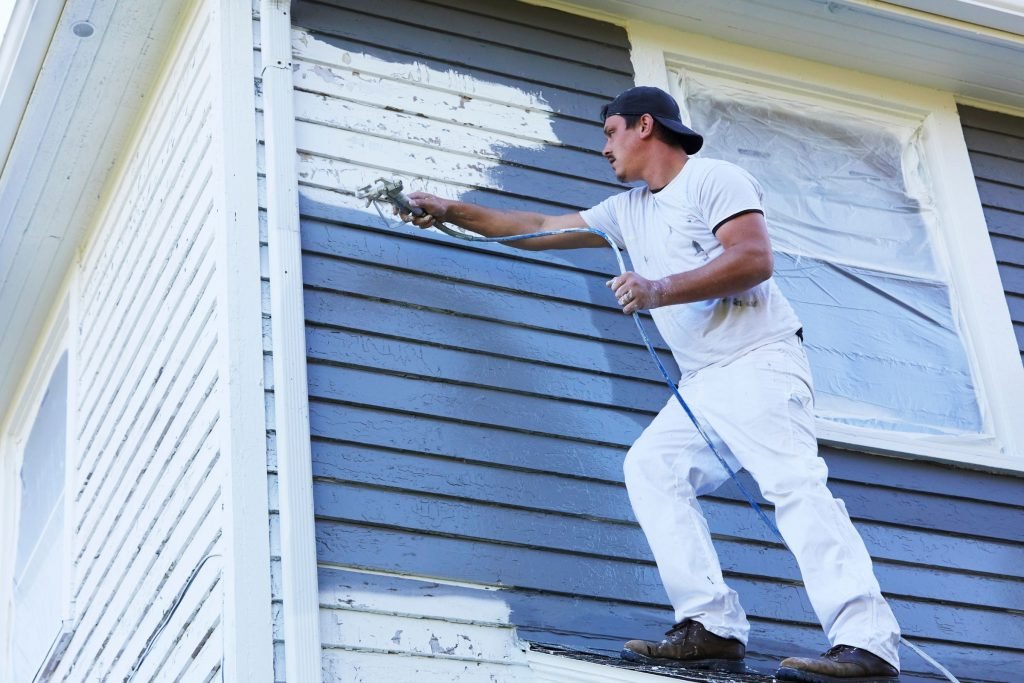
A well-maintained yard can make a significant difference during a storm. Loose items become projectiles in high winds, and overgrown trees become a serious liability.
- Start by trimming back any branches that hang over your roof, your power lines, or your neighbor’s property.
- Dead or weakened limbs are especially dangerous and should be removed entirely.
- If you have large trees close to the house and you are unsure about their health, hiring an arborist for an evaluation is a wise move.
Secure or store outdoor furniture, grills, planters, and decorations. Anything that is not bolted or weighted down can be picked up by the wind and thrown into windows, siding, or vehicles. Garden tools, trash cans, and kids’ toys should all be brought inside or placed in a garage or shed.
Check your fencing as well. Loose posts or panels can collapse under wind pressure or fly into neighboring properties. Tighten hardware, replace rotted sections, and reinforce any areas that seem unstable.
Getting Your Home’s Interior Ready
| Aspect | Details |
|---|
| Topic | Preparing your home’s interior for storms |
| Purpose | Improve safety and reduce potential damage |
| Water Safety Step | Locate the main water shutoff valve |
| Why It Matters | Quickly stopping water can prevent costly damage during leaks or flooding |
| Sump Pump Check | Test by pouring water into the pit |
| Expected Function | Pump should activate and drain water properly |
| Risk if Ignored | Basement flooding within hours during a storm |
| Emergency Kit Essentials | Flashlights, batteries, battery-powered radio |
| Food & Water Supply | Bottled water and non-perishable food |
| Medical Preparedness | First aid kit and necessary medications |
| Storage Tip | Keep the kit in an easily accessible location |
| Key Benefit | Faster response and reduced panic during power outages |
Building a Simple Maintenance Routine
One of the best ways to reduce storm season stress is to make home maintenance a regular habit rather than a seasonal scramble. Set a reminder to check your roof, gutters, windows, and yard every few months. Small issues caught early almost always cost less to fix and take less time to address.
Keep a running list of things you notice that need attention. When you have a free afternoon or a long weekend, pick one or two items from the list and knock them out. This steady approach keeps your home in strong shape all year and means you will not be hit with a long, overwhelming to-do list when storm warnings start appearing in the forecast.
Preparing your home for storm season is not about perfection. It is about taking reasonable, practical steps that put you ahead of the weather. When you invest a little time and effort before the storms arrive, you get to sit inside and listen to the rain without worrying about what it might be doing to your house. That kind of calm is worth every minute of preparation.

