


Here’s the pattern hiding inside every airport disaster story you’ve ever heard, the missed flight, the frantic repacking at the check-in desk, the sprint through the terminal with shoes in hand. None of those disasters actually happened at the airport. They happened days earlier, at home, as small decisions that felt harmless at the time. I’ll weigh the bag later, I’ll check in when I get there, we’ll leave at nine and it’ll be fine. The airport is just where the bill comes due.
So this isn’t really a list of airport mistakes. It’s a list of living-room mistakes that wear an airport costume, and every one of them is fixable from your couch. Let me take the four big ones.
Treating The Baggage Rules As A Suggestion
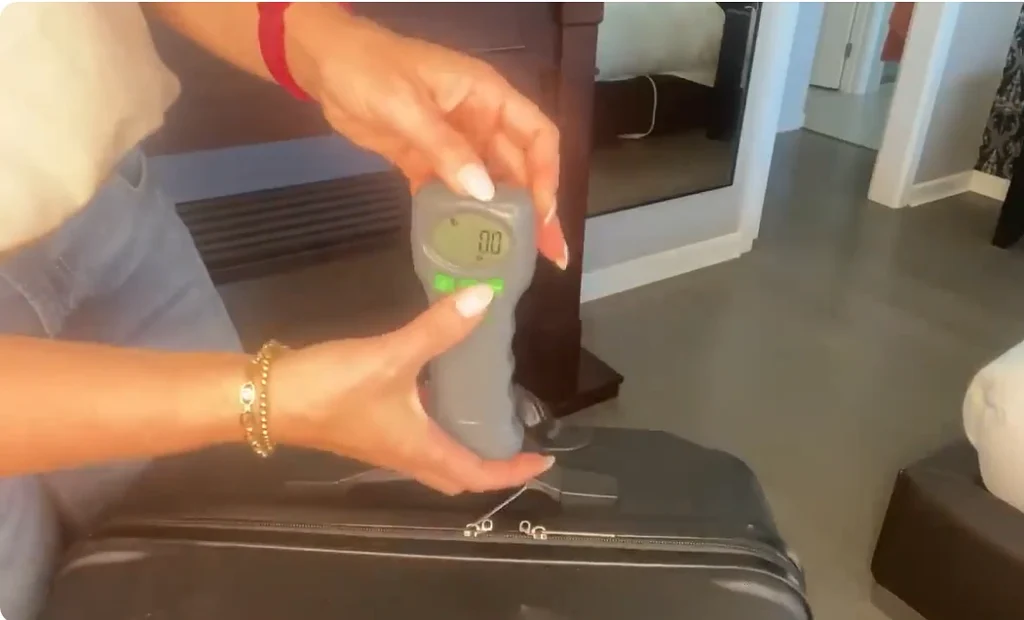
The overweight-bag scene at the check-in counter is a small piece of theater everyone recognizes: the open suitcase on the floor, the pile of clothes being redistributed into a companion’s bag, the line behind growing restless. What makes it avoidable is that nothing about it is a surprise. Your airline told you the weight limit when you booked, it’s in the confirmation email, and a bathroom scale at home settles the question in thirty seconds. Weigh yourself, weigh yourself holding the bag, subtract. Overweight fees on major carriers routinely run into serious money, and the alternative, repacking in public under fluorescent lights, costs you time you specifically don’t have.
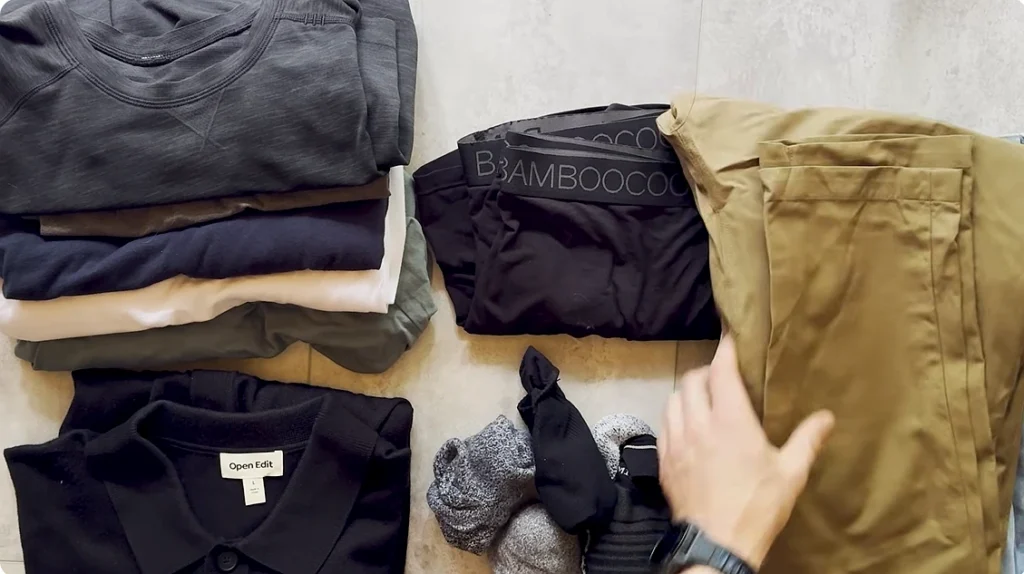
The carry-on version of this mistake is the liquids bag, and for US travelers the actual rule is worth stating precisely, because the vague version gets people caught. It’s TSA’s 3-1-1 rule: containers of 3.4 ounces (100 milliliters) or less, all fitting in one quart-sized clear resealable bag, one bag per passenger. Get it wrong and the officer gives you three options, none good: surrender the item to the bin, leave the line to put it in a checked bag if you still can, or exit and deal with it some other way. Your full-size sunscreen is not making it through, and the fact that it was expensive does not move the TSA. Decide all of this at home, where your shampoo can simply go in the checked bag, and the checkpoint becomes boring, which is exactly what you want a checkpoint to be. Sorting all this the night before is the whole reason a pre-trip checklist earns its keep, and if it’s a long-haul flight, what you wear matters nearly as much as what you pack, we’ve covered the outfit side of surviving a long flight separately.
Aiming For The Departure Time Instead Of The Cutoff Time

Most travelers plan backward from the wrong number. They know the flight leaves at 2:40, so they aim to be at the airport “with time to spare,” and everything downstream, traffic, the full parking garage, the security line that wraps twice, eats that vague cushion alive.
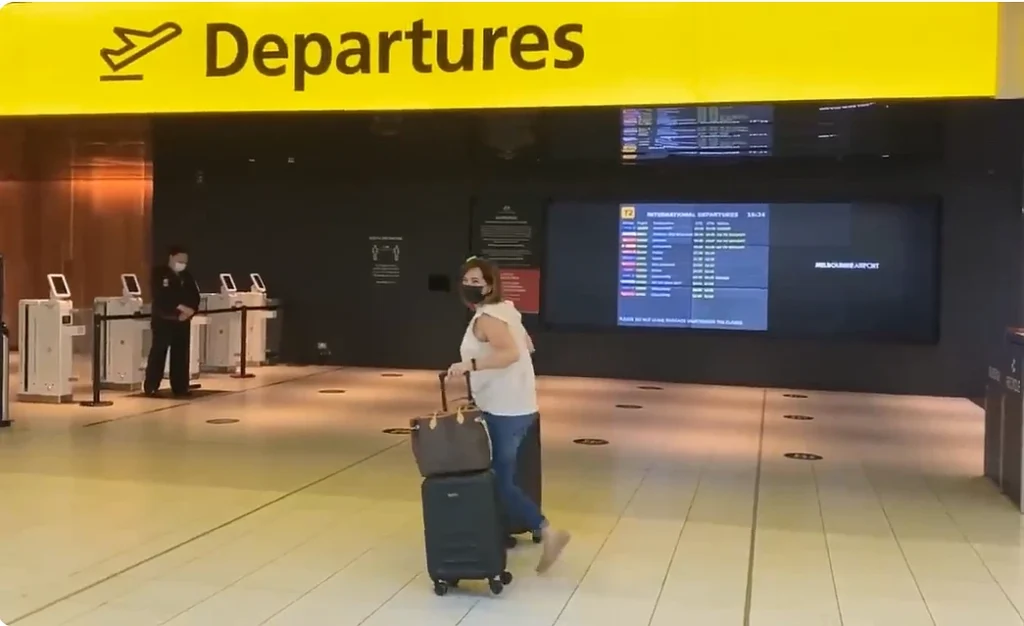
Here’s the number to actually plan around, because it’s a hard deadline most people have never heard of: the check-in cutoff. Airlines close check-in and bag drop well before departure, and the industry standard for US domestic flights is now 45 minutes before scheduled departure, United moved to that line recently precisely to match its checked-bag deadline and what most other carriers already do, with international cutoffs typically an hour. Miss that mark and you can be standing in the terminal, ticket in hand, plane still at the gate, and be told your bag can’t fly and possibly you can’t either. The plane didn’t leave without you. The system closed without you, which feels worse.
The working guidance stays what TSA advises: arrive at least two hours before a domestic flight and three before international, more at big hubs and during holidays. And the decision that determines whether you make it isn’t made in the car, it’s made the night before, when you choose the departure time from your house, book the parking, or arrange the ride. A pre-booked car or shuttle beats the morning-of scramble for one boring reason: it converts a variable (will we find parking?) into a constant (the car comes at 6). One more home-decided item that now belongs on the list: Real ID enforcement is in effect for domestic flights, so confirm your license has the star, or bring a passport, before the morning you fly, because discovering it at the checkpoint adds a paid identity-verification detour you do not want.
Saving Check-In For The Airport

This one baffles me a little, because the fix is free, takes four minutes, and happens on your phone. Airlines open online check-in 24 hours before departure. Doing it from your couch gets you a digital boarding pass, lets you pick or confirm your seat while decent ones still exist, and, if you’re traveling carry-on only, means you can walk into the terminal and go straight to security, skipping the counter entirely.
Waiting to check in at the airport buys you nothing and costs you a line, and for the seat-anxious among us, and I say this with recognition, knowing you have the aisle seat before you leave the house removes one entire category of low-grade travel dread. Set an alarm for the 24-hour mark. It’s the highest return-on-effort four minutes in all of travel.
Arriving At Security Unrehearsed
The security line moves at the speed of its least-prepared traveler, and nobody plans to be that person, they just fail to spend the ninety seconds of forethought that prevents it.
The rehearsal is simple and done at home and living while packing laptop and large electronics somewhere you can pull them out in one motion, the quart liquids bag at the top of the carry-on, shoes you can slip off without a wrestling match (a thing we covered in the long-haul outfit piece, where slip-ons earn their place twice over), pockets emptied into your bag before you reach the bins, belt and jacket ready to shed. Then, at the checkpoint itself, the highest-value behavior is also the simplest: watch the officers and do what they say. They signal when it’s your turn, they’ll tell you what stays in the bag at that airport, and following instructions promptly is the difference between a thirty-second pass-through and a bin-by-bin negotiation while a hundred people behind you radiate hatred.