


When executives evaluate workplace investments, they scrutinize furniture budgets, technology infrastructure, and square footage per employee. They debate open office versus private workspace and obsess over amenities that attract top talent.
Yet one critical environmental factor one that dramatically affects productivity, employee wellbeing, and the bottom line receives surprisingly little attention: acoustics.
The sound environment in your office isn’t a minor detail. It’s a performance multiplier or divider affecting every person in your organization, every day. And for most companies, it’s broken.
The $300 Billion Problem Hiding in Plain Sight
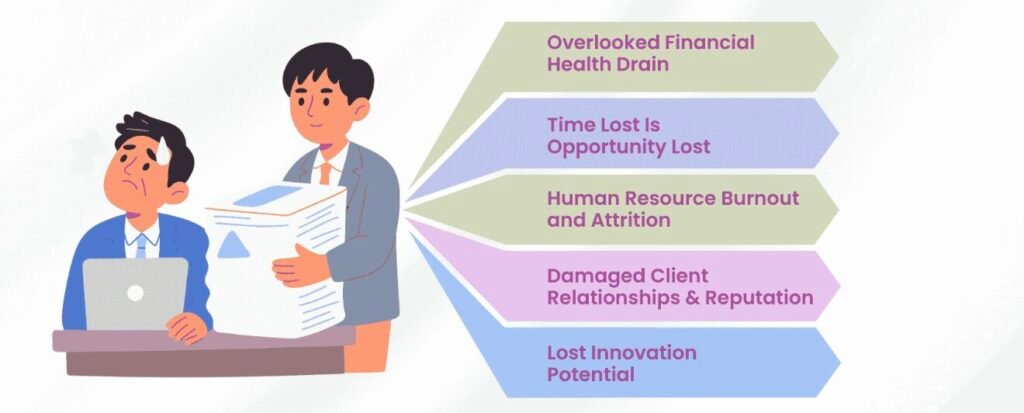
Research from Cornell University revealed something alarming: poor office acoustics decrease productivity by up to 66% for employees performing cognitive work. Not 6%—66%.
The American Psychological Association estimates workplace stress costs U.S. businesses approximately $300 billion annually. Among the top stressors? Noise in the workplace consistently ranks in the top three complaints.
For a company with 500 employees earning an average of $70,000 annually, a 10% productivity loss due to poor acoustics represents $3.5 million in lost economic value per year. That doesn’t include costs of increased turnover or recruitment impact.
These aren’t theoretical calculations. These are real costs affecting real businesses right now.
Why Modern Office Design Created an Acoustic Crisis
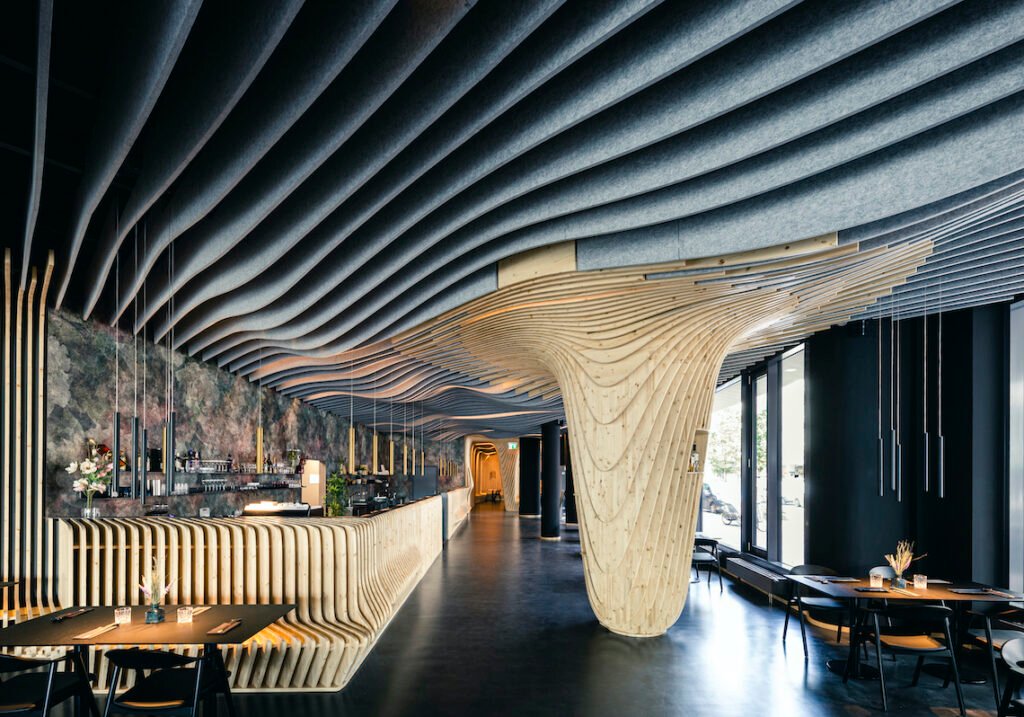
The shift toward open-plan offices, glass-walled conference rooms, exposed ceilings, polished concrete floors, and minimalist aesthetics created visually striking spaces.
These same design choices created acoustic disasters.
Hard, reflective surfaces—glass, concrete, metal, drywall—bounce sound waves rather than absorbing them, creating reverberation that transforms offices into echo chambers where concentration becomes nearly impossible.
Open offices exacerbated these challenges. Removing walls fostered collaboration but created environments where every conversation becomes ambient noise for dozens of nearby workers. The University of Sydney found lack of sound privacy was the number one complaint in open-plan offices.
The irony: companies adopted open offices to reduce real estate costs, only to lose far more in productivity than they saved in square footage.
The Productivity Equation: Sound Science Behind the Numbers
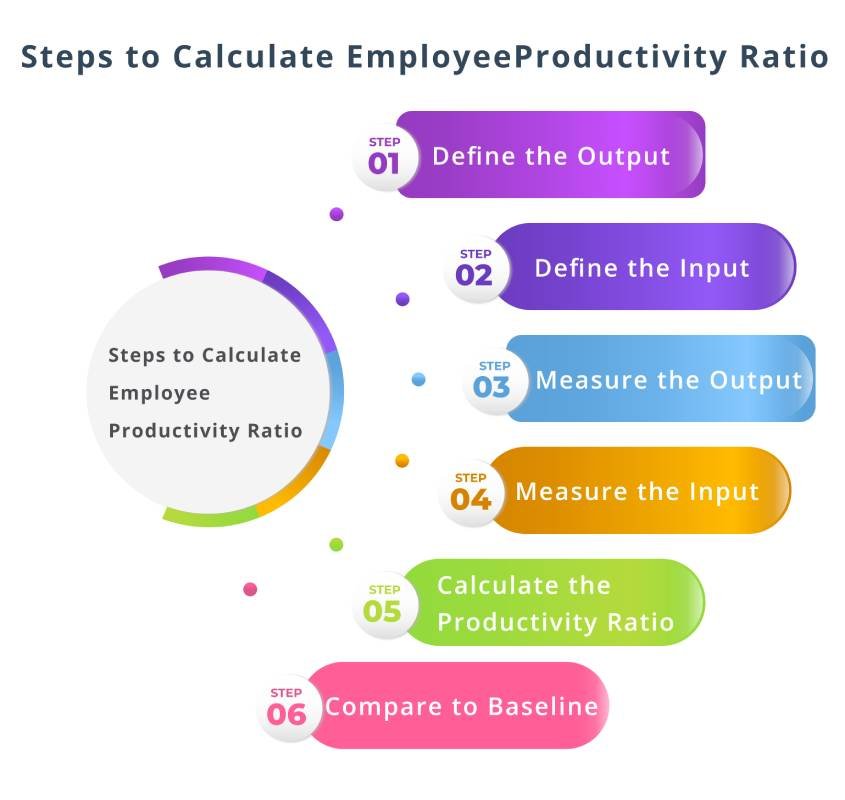
Employee compensation represents 70-80% of total costs for most organizations. Every percentage point of productivity improvement or decline moves the bottom line materially.
Research in the British Journal of Psychology found irrelevant speech—conversations employees can hear but aren’t part of—reduces performance on complex tasks by 5-10% even when employees believe they’ve adapted.
This “irrelevant speech effect” is particularly pernicious because employees don’t realize how significantly it affects performance. Acoustic problems often go unreported as they silently erode productivity.
For knowledge workers, environments degrading cognitive performance by even 5-10% dramatically reduce ROI in human capital. When you hire someone at $150,000 annually but provide an environment reducing effectiveness by 10%, you’ve wasted $15,000 plus overhead.
A 500-person company losing 10% productivity to poor acoustics wastes millions annually.
Beyond Productivity: The Strategic Costs
Talent Acquisition and Retention: In competitive labor markets, workplace quality differentiates employers. Loud, chaotic environments signal dysfunction regardless of amenities. High performers leave when cumulative frustration from inability to concentrate contributes to disengagement.
Health and Wellbeing: Chronic exposure to noise above 55 decibels triggers physiological stress responses elevated cortisol, increased blood pressure, cardiovascular strain contributing to long-term health issues and healthcare costs.
Corporate Culture: Paradoxically, open offices designed to enhance collaboration often damage it. When background noise makes conversations difficult, people stop having spontaneous discussions. Intended openness becomes avoidance and frustration.
What Executives Get Wrong About Acoustic Solutions
Sound Masking as Primary Solution: Adding more noise to solve noise problems doesn’t address reverberation or reduce stress responses.
Cosmetic Acoustic Treatment: Installing acoustic panels as design features without addressing primary problems. Effective treatment requires treating 50-70% of ceiling surface.
Assuming All Materials Are Equal: Materials with NRC ratings below 0.70 don’t provide professional-grade treatment. Cost pressure often drives specifications toward inadequate products.
Reactive Rather Than Proactive: Addressing acoustics only after occupancy. Retrofitting costs 2-3 times more than incorporating solutions during initial construction.
The Business Case for Premium Acoustic Solutions
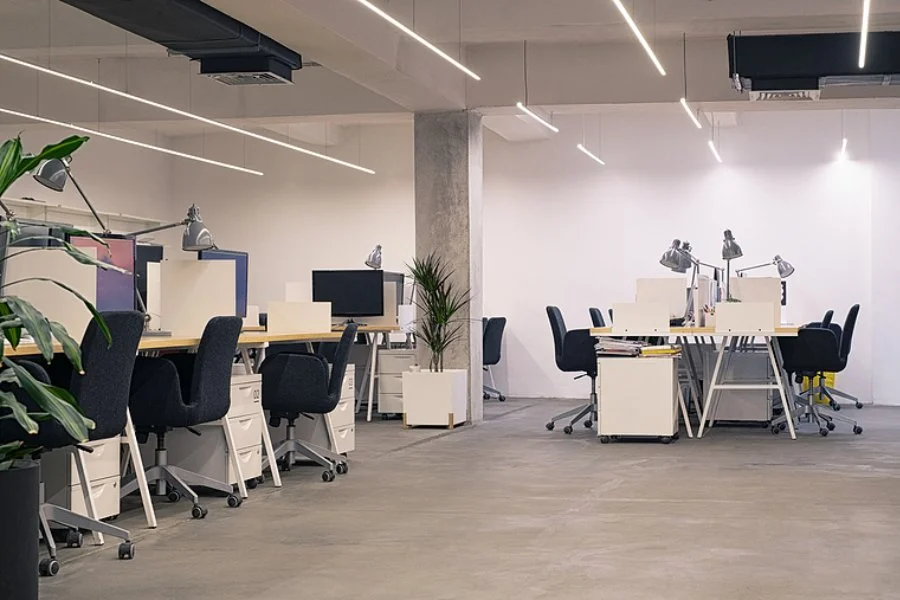
Premium acoustic wood ceiling and wall systems cost 3-5 times more than standard tiles—perhaps $150,000-$250,000 incremental investment for 50,000 square feet.
The value side strongly favors premium solutions:
Productivity: If better acoustics improve productivity by 5% for 200 knowledge workers averaging $80,000 annually, annual value created is $800,000. Investment pays for itself in 3-4 months.
Employee Retention: Better environments reducing voluntary turnover by 2-3 percentage points save substantial recruitment and training costs—typically 50-150% of annual salary.
Real Estate Value: Buildings with superior acoustic environments command premium lease rates and show lower vacancy rates.
Life-Cycle Costs: Premium solutions last 30-50 years versus 15-20 years for standard alternatives with minimal maintenance.
Implementation Strategy
Establish Measurable Targets: Set acoustic goals through reverberation time, speech intelligibility index, and ambient noise levels. Verify through post-installation testing.
Engage Professional Expertise Early: Acoustic engineers should join project teams during schematic design, not value engineering phases.
Prioritize Treatment Strategically: Focus areas for concentration work, conference rooms, and collaboration zones benefit most.
Consider Integrated Solutions: Ceiling systems providing acoustic treatment, lighting integration, and aesthetic appeal deliver better value.
Plan for Verification: Insist on post-installation testing verifying achievement of performance targets.
The Future of Workplace Acoustics
Rating Systems: LEED and WELL Building Standard increasingly incorporate acoustic requirements, shifting quality from optional to required.
Activity-Based Workspaces: Different activities require different acoustic conditions, necessitating sophisticated design.
Hybrid Work Implications: As workers can choose to work from home, offices with acoustic problems lose competitive position against controllable home environments.
Return on Investment: The Executive Summary
Costs: Premium treatments add 2-5% to fit-out costs—$50-$100 per square foot incremental investment.
Benefits: Productivity improvements of 5-10%, reduced turnover by 2-3 points, enhanced recruitment, improved wellbeing, increased property values, competitive differentiation.
Payback Period: 3-6 months based solely on productivity. With retention and recruitment benefits, 1-2 months.
Long-term Value: 30-50 year useful life versus 15-20 years for standard solutions. Lower maintenance costs. Sustained performance.
Few workplace investments offer comparable returns. The decision isn’t whether companies can afford premium acoustic solutions—it’s whether they can afford not to implement them.
The Executive Imperative
As competitive advantage increasingly depends on human capital—creativity, problem-solving, innovation, collaboration—environmental factors affecting how people think and work become strategic priorities.
Companies continuing to treat office acoustics as afterthoughts will find themselves at disadvantages in talent markets, productivity outcomes, and competitive performance. Organizations recognizing acoustic quality as infrastructure position themselves to attract better talent, retain high performers, and extract maximum value from human capital investments.
For executives evaluating workplace improvements, acoustic quality offers among the best returns available. Few interventions affect every employee, every day, with measurable impacts on productivity, wellbeing, and retention. Even fewer pay for themselves in months while creating value for decades.
The sound environment in your office is either working for you or against you. There’s no neutral. The question is: what will you do about it?

