


When it comes to home heating solutions, the choice between traditional cast iron radiators and modern alternatives can be quite challenging. Each has its unique features, benefits, and drawbacks, making it essential for homeowners to understand the differences to make an informed decision. Whether you’re restoring a period property or looking for efficient heating solutions for your contemporary living space, there are several crucial aspects to consider.
Energy Efficiency
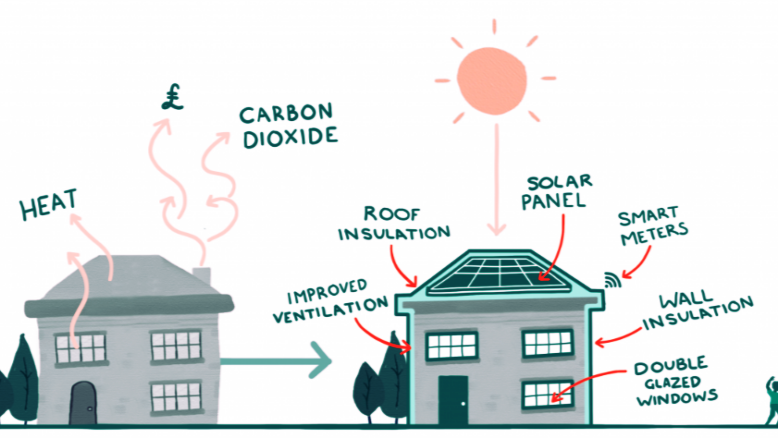
One of the primary considerations when selecting a radiator is energy efficiency. Modern radiators, particularly those made from materials like aluminium and steel, offer high thermal efficiency due to their design and material properties. They heat up and cool down quickly, allowing for better temperature control and reduced energy consumption.
This characteristic can be beneficial in maintaining a consistent ambient temperature, although it may not be ideal for people who want to adjust heating levels swiftly.
Aesthetic Appeal
Cast iron radiators are renowned for their classic and timeless aesthetic. They are an iconic feature in many period properties, offering a sense of authenticity and heritage that resonates with traditional design enthusiasts. Their ornate and robust appearance can become a focal point in any room.
Modern radiators, on the other hand, come in a wide range of styles, finishes, and colours to suit varying tastes and contemporary interiors. From sleek and minimalist designs to bold statement pieces, modern alternatives provide more flexibility in matching a home’s decor.
Durability and Longevity
| Aspect | Cast Iron Radiators | Modern Radiators |
|---|
| Durability | Extremely durable; hard to beat | Durable, often made with corrosion-resistant materials |
| Longevity | Can last for decades with proper maintenance | Good lifespan, but generally shorter than cast iron |
| Build Quality | Heavy, robust construction | Lightweight design |
| Resistance to Wear & Tear | Highly resilient to daily wear and tear | Resistant, but may not match cast iron strength |
| Long-term Value | Strong long-term investment | Improving with technological advances |
Environmental Considerations
As environmental consciousness continues to rise, considering the ecological impact of home heating solutions is crucial. Modern radiators often incorporate eco-friendly materials and production processes, aligning with green building practices.
Cast iron radiators, while energy efficient over time due to their heat retention, do require a significant amount of energy to manufacture and transport, given their weight and density. However, their longevity and potential for reuse and recycling can offset some of this impact, making them an environmentally viable choice for certain applications.
Cost Analysis
The cost of radiators can vary significantly between cast iron versions and modern alternatives. Cast iron radiators typically have a higher upfront cost due to their material and manufacturing process, yet their durability and aesthetic appeal can justify the price for many homeowners seeking long-term value and a specific look.
Conversely, modern radiators tend to be more affordable and offer greater accessibility in the market.
Energy savings on running costs thanks to their efficiency, they present an appealing option for those with budget considerations.
Summary
The choice between cast iron radiators and modern alternatives hinges on personal preference, the specific requirements of your home, and your immediate and long-term priorities. While cast iron radiators offer unparalleled durability and classic elegance, modern options excel in efficiency, design versatility, and environmental friendliness. Each option presents unique advantages, so consider your needs carefully to make the best decision for your living space.

