


Investing in Human Resources (HR) software is a strategic move for organizations seeking to boost efficiency and employee satisfaction. The promise of streamlined processes, automated tasks, and higher morale is appealing, but a clear understanding of ROI is necessary to justify the spend. Decision-makers need concrete data and a well-rounded evaluation process to gauge the true impact. When considering a new system, it is helpful to analyze the ROI of HR automation to ensure organizational goals are met while maximizing resources.
ROI analysis of HR software hinges on identifying and measuring both direct and indirect benefits. By doing so, organizations can make informed decisions about adopting and continuing to use modern HR solutions.
Understanding HR Software ROI

ROI measures the value generated by an investment compared to its cost. For HR software, this encompasses quantitative advantages, such as reduced spending, and qualitative improvements, such as greater accuracy and higher workplace morale. The widespread shift towards digital HR management underscores the growing need for organizations to justify technology expenditures with clear, measurable returns.
The benefits of HR automation include minimizing repetitive paperwork, strengthening compliance oversight, and freeing up HR teams’ time for strategic projects. These gains resonate throughout an organization’s culture and bottom line. When evaluating new solutions, leaders should focus on both the visible savings and the underlying systemic improvements these platforms offer.
- Moreover, the adaptability of HR platforms enables businesses to respond swiftly to changes in organizational needs or market demands.
- With scalable software modules, companies can integrate new functionalities, such as performance management or learning and development tools, without requiring costly overhauls.
- By reducing organizational rigidity, HR software paves the way for innovation and competitive advancement.
- As businesses transform and grow, so too can their HR systems, providing an ongoing foundation for value creation.
The transition to a digital HR ecosystem also brings greater transparency. Managers and team members can access key information anytime, improving project collaboration across departments and supporting more informed decision-making. This real-time visibility is especially valuable in remote or hybrid work environments, where distributed teams rely heavily on digital infrastructure to support efficient workflows.

Metrics for Evaluating ROI
Quantifying the value of HR software depends on several core metrics:
- Time Savings: Automation reduces manual input and paperwork, freeing HR professionals for higher-value tasks.
- Cost Reduction: Streamlined workflows lower clerical costs, operational overhead, and minimize costly errors.
- Employee Retention: Modern HR tools improve communication, engagement, and satisfaction, which helps retain top talent.
- Compliance Improvement: Up-to-date reporting capabilities and real-time recordkeeping support regulatory requirements, helping prevent compliance failures and associated penalties.
Evaluating these metrics creates a comprehensive view of how HR software contributes to both daily operations and long-term organizational health. For additional insight, Harvard Business Review’s analysis of digital transformation in HR provides real-world strategies for technology-driven HR teams.

Another important metric is the reduction of turnover costs. When employees leave, recruitment, onboarding, and training expenses can be substantial, not to mention the productivity lost during these transitions. By supporting employee satisfaction and professional development, HR software helps reduce attrition rates. Additionally, faster recruitment processes made possible by applicant tracking systems help fill vacancies quickly, minimizing disruptions and keeping teams fully staffed for optimal productivity.
Calculating the ROI of HR Software
Reliable ROI calculation involves balancing the gains against all costs incurred. Basic calculations focus on direct savings, such as labor costs and reduced errors, but organizations should not overlook broader factors. One missed area is the intangible value created by improved talent management and by mitigated compliance risks.

Experience shows that a significant share of HR software’s value can be missed if organizations fail to account for outcomes such as improved retention or reduced turnover. These elements help shape sustainable growth and underpin stronger overall ROI. For practical, step-by-step guidance, the Society for Human Resource Management (SHRM) offers frameworks and case studies that illustrate how to capture full returns from HR tech investments.
It’s also vital to periodically reassess ROI as the organization grows or faces new challenges. As teams expand or new regulations are introduced, the value derived from HR software may increase, emphasizing the need for continuous review. Leveraging built-in analytics and reporting tools helps businesses regularly measure performance indicators, ensuring the software continues to deliver measurable benefits over time.
Real-World Examples of HR Software ROI
Organizations consistently report significant improvements after implementing HR software. For example, a manufacturing firm achieved nearly 50 percent savings in HR administration time, leading to better resource allocation and increased productivity. Another firm observed a dramatic decrease in payroll errors (up to 85 percent lower), reducing both financial losses and employee frustration. These successes are echoed across sectors, with companies leveraging digital HR tools to enhance transparency, responsiveness, and workforce engagement.
Beyond productivity increases and error reduction, companies often report better decision-making as a direct result of richer, real-time HR data. Instant access to headcount, skill gaps, or diversity analytics helps leaders make workforce planning decisions proactively. Organizations in sectors with seasonal fluctuations, for instance, can optimize hiring and scheduling based on historical data trends visualized through HR dashboards. This proactive approach ensures that staffing decisions closely align with business needs and reduce the risk of overstaffing or understaffing during key periods.
Best Practices for Maximizing ROI
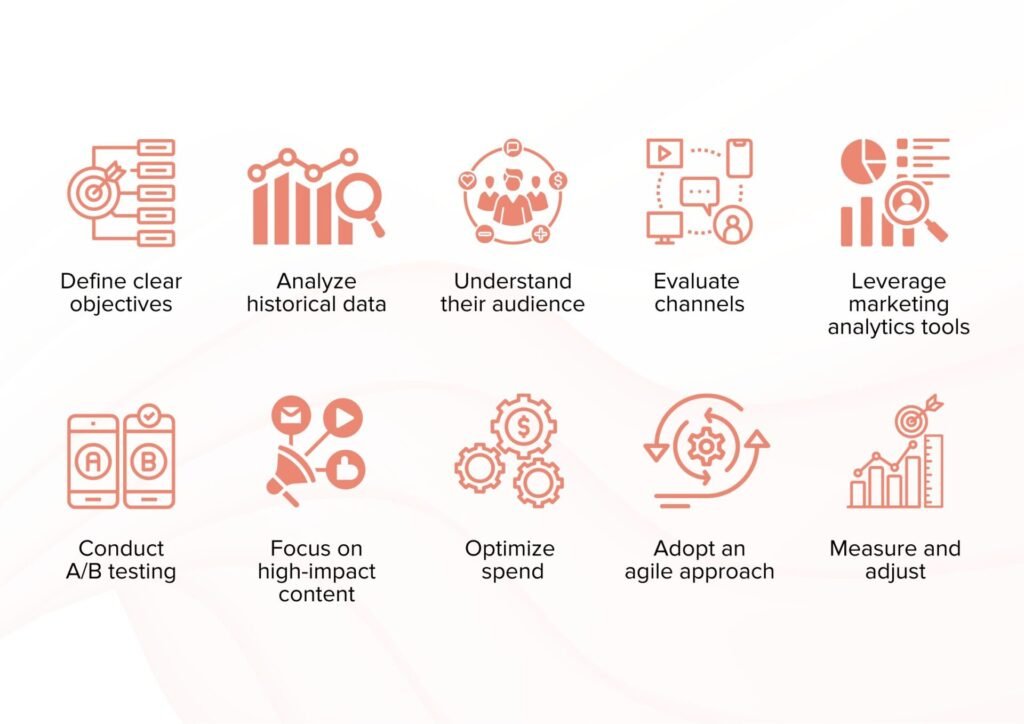
To ensure optimal returns, organizations should:
- Select Purpose-Built Software: Match the chosen platform to your unique business model and workforce requirements.
- Prioritize Effective Adoption: Invest in comprehensive training and change management to encourage buy-in and minimize disruptions.
- Continually Monitor Performance: Use ongoing evaluation and feedback to refine HR software use, leveraging analytics for data-driven improvement.
By embedding these practices, organizations can extract the full spectrum of benefits from their HR technology investments and adjust strategies as their needs evolve.
It’s also beneficial to involve end users early in the implementation process, gathering feedback and adapting features to real working needs. Regularly updating training materials and creating user groups to share best practices can further improve adoption rates. Ongoing vendor relationships help keep systems up to date with regulatory requirements and industry innovations. Ultimately, continuous engagement and adaptation are key to maximizing both short-term gains and long-term value from HR software solutions.
Conclusion
Careful calculation and ongoing evaluation of HR software ROI are crucial for responsible and effective decision-making. By examining both tangible and intangible returns, business leaders can validate their investments and unlock the full value these technologies offer. Ultimately, selecting the right HR solution and continually refining its use empowers organizations to thrive in today’s competitive environment, driving both operational efficiency and long-term growth.

