


A display shelf is more than a place to store objects. It is a small stage where personal taste, memory, and design instinct come together in full view. When styled with intention, a shelf can shift the entire mood of a room, drawing the eye and inviting closer attention. The difference between a shelf that feels cluttered and one that feels curated often comes down to a handful of thoughtful choices. Anyone willing to slow down and edit with care can build a display that feels considered rather than crowded.
The goal is not perfection. The goal is a shelf that tells a story, holds the eye, and rewards a second look.
Building a Foundation with Small Treasures
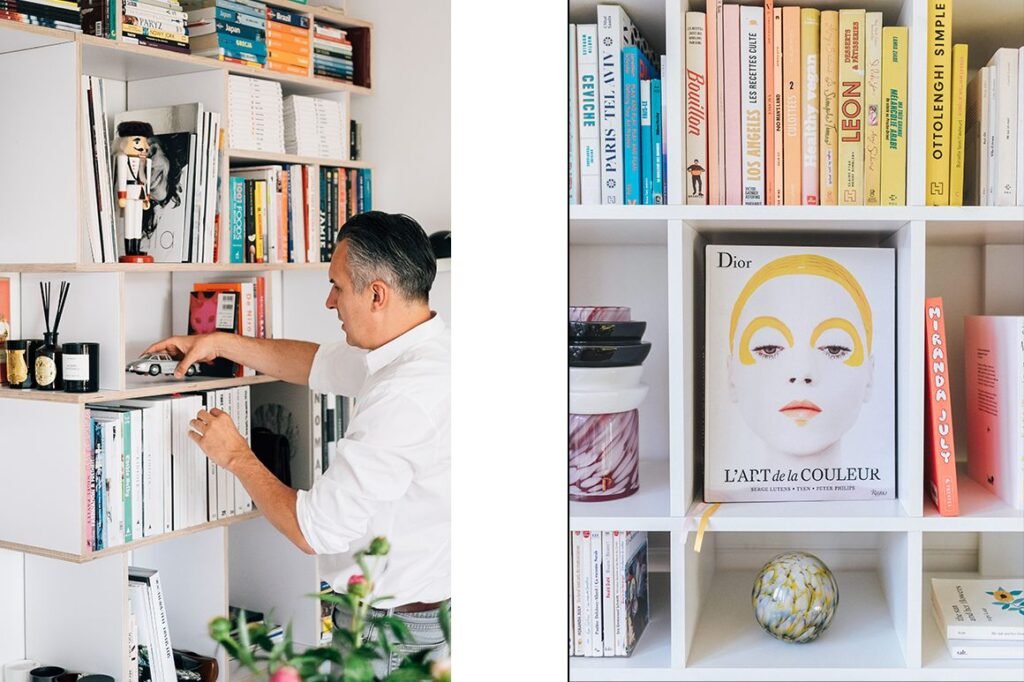
Every well-styled shelf begins with a few anchor pieces that carry visual weight and personal meaning. Hand-painted porcelain trinkets are a favorite among collectors who appreciate craftsmanship in miniature form, and they bring a sense of heritage to any arrangement. Pieces such as Limoges boxes offer delicate detail and refined coloring that can elevate even the simplest shelf composition. Tucking one or two of these small treasures beside larger objects creates contrast in scale and adds a quiet sense of luxury. The smaller items do not have to compete with the larger ones. They simply need a clear pocket of space where the eye can land and rest.
Working With Layers and Depth
A flat shelf reads as static. A layered shelf reads as alive. Begin by placing taller items toward the back, such as framed art or stacked books standing upright. Add medium height pieces in front of those, then finish with smaller objects closer to the edge. This layering creates a sense of depth that draws the viewer in. Leaning a piece of artwork against the wall instead of hanging it adds softness and an unstudied charm. The eye should travel from front to back, finding new details with each glance.
Mixing Materials for Visual Interest
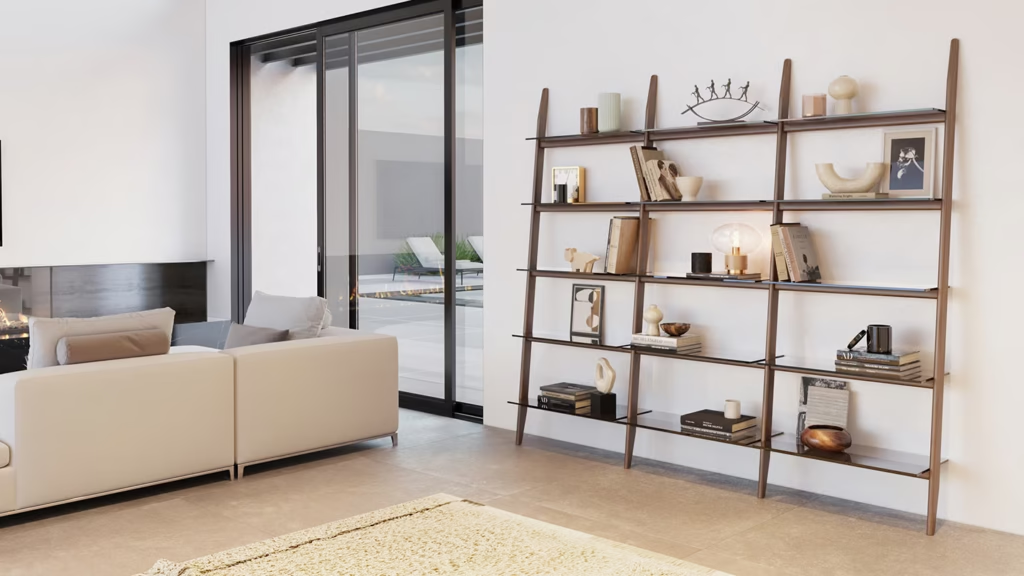
A shelf that features only one material can feel cold or repetitive. Mixing wood, ceramic, glass, metal, and textile brings warmth and texture to the display. Pair a smooth marble bowl with a rough linen-bound book. Set a polished brass candlestick beside a handmade clay vessel. The contrast between matte and glossy, hard and soft, gives the shelf a tactile quality. Even from across the room, viewers can sense the richness of the surfaces. This approach also allows seasonal shifts, since swapping a few materials can refresh the look without rebuilding the entire arrangement.
Grouping in Odd Numbers
Designers often rely on the rule of three when arranging objects, and the principle holds up because odd-numbered groupings feel more dynamic than even ones. Three candles of different heights, a trio of bowls in graduated sizes, or five small frames clustered together create rhythm and movement. Even numbered groupings can feel static and overly symmetrical, while odd numbers introduce a gentle tension that keeps the eye engaged. When working with larger shelves, multiple small clusters of three or five can be spaced across the surface to create a sense of flow.
Bringing in Living Elements
Greenery softens the rigid lines of a shelf and introduces a sense of life. A trailing plant spilling over the edge breaks up the geometry of the shelving unit and adds organic movement. Dried flowers, branches, or grasses also work beautifully, especially in cooler seasons when fresh blooms feel out of place. Even a single sprig in a slim glass vessel can shift the mood of an entire shelf. The natural shapes contrast with the manufactured forms of books, frames, and ceramics, giving the display a balanced and welcoming feel.
Editing With Color in Mind
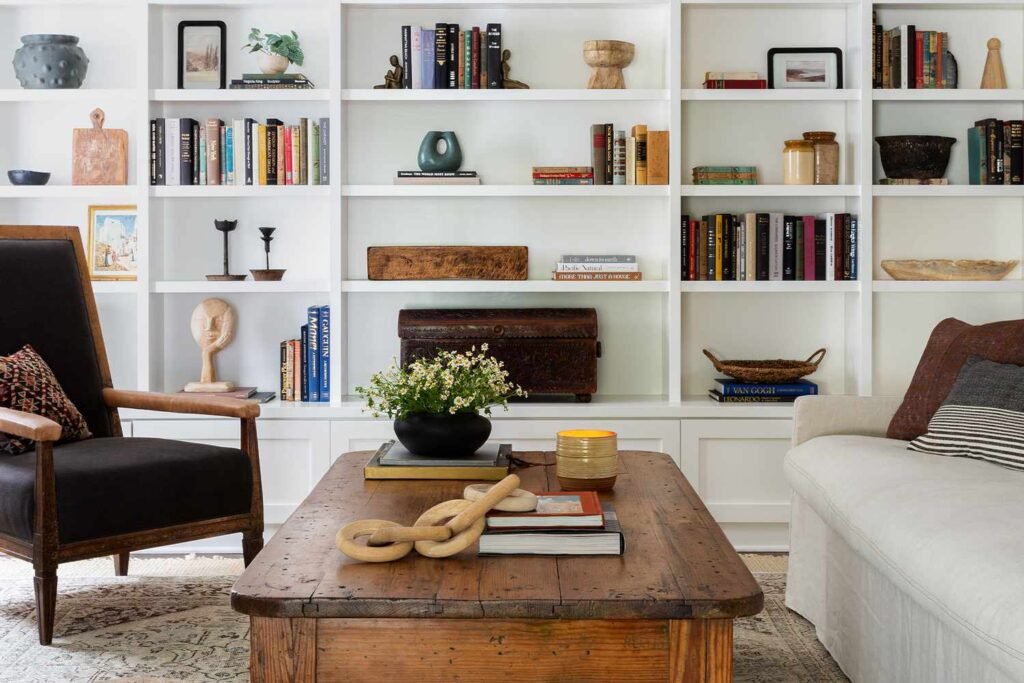
A shelf reads as cohesive when its color palette is considered. This does not mean every item must match. It means the colors should relate to one another in some way, whether through tone, temperature, or repetition. A neutral palette of cream, oatmeal, and soft brown feels calm and grounded. A bolder palette built around deep blues and warm metallics feels rich and dramatic. Pulling one accent color through the shelf, such as a touch of rust or sage repeated in two or three places, creates a quiet thread that ties the arrangement together.
Refreshing the Display Over Time
A curated shelf is never truly finished. Tastes evolve, seasons change, and new pieces find their way into the mix. Rotating items every few months keeps the display feeling current and prevents it from fading into the background. Sometimes the smallest change, such as turning a book spine inward to show its pages or replacing a vase with a sculptural object, can make the entire shelf feel renewed. Treating the shelf as a living arrangement rather than a fixed installation is what separates a styled space from a stale one.

