


A lot of people delay doctor appointments until something finally interrupts daily life badly enough to ignore. Headaches get brushed off, bloodwork keeps getting postponed, and exhaustion slowly becomes normal. Modern health problems usually build quietly like that. High blood pressure, diabetes, chronic stress, and sleep issues.
Most develop gradually while people keep working, answering emails, and assuming they are just tired all the time.
That is why preventive care matters more now. Healthcare providers are trying to catch problems earlier because treatment usually works better before symptoms grow serious enough to disrupt everyday life completely.
Why Long-Term Healthcare Relationships Matter
Preventive healthcare works best when patients actually feel comfortable returning regularly instead of only showing up during emergencies. That sounds obvious, but many people avoid appointments because medical systems often feel rushed, impersonal, or difficult to navigate. Patients are more likely to discuss sleep habits, stress levels, diet concerns, or mental health struggles when appointments feel conversational instead of transactional.

Long-term healthcare relationships matter because providers begin noticing patterns over time. Changes in energy, weight fluctuations, blood pressure trends, and repeated illnesses. Small warning signs get identified earlier when somebody consistently follows a patient’s health history instead of only seeing isolated problems during urgent visits.
The role of the family nurse practitioner is extremely important within preventive healthcare discussions. Patients increasingly value providers who can build ongoing relationships, monitor long-term wellness, and help address everyday health concerns before they become more serious medical problems requiring larger interventions later.
Modern Life Quietly Damages Health
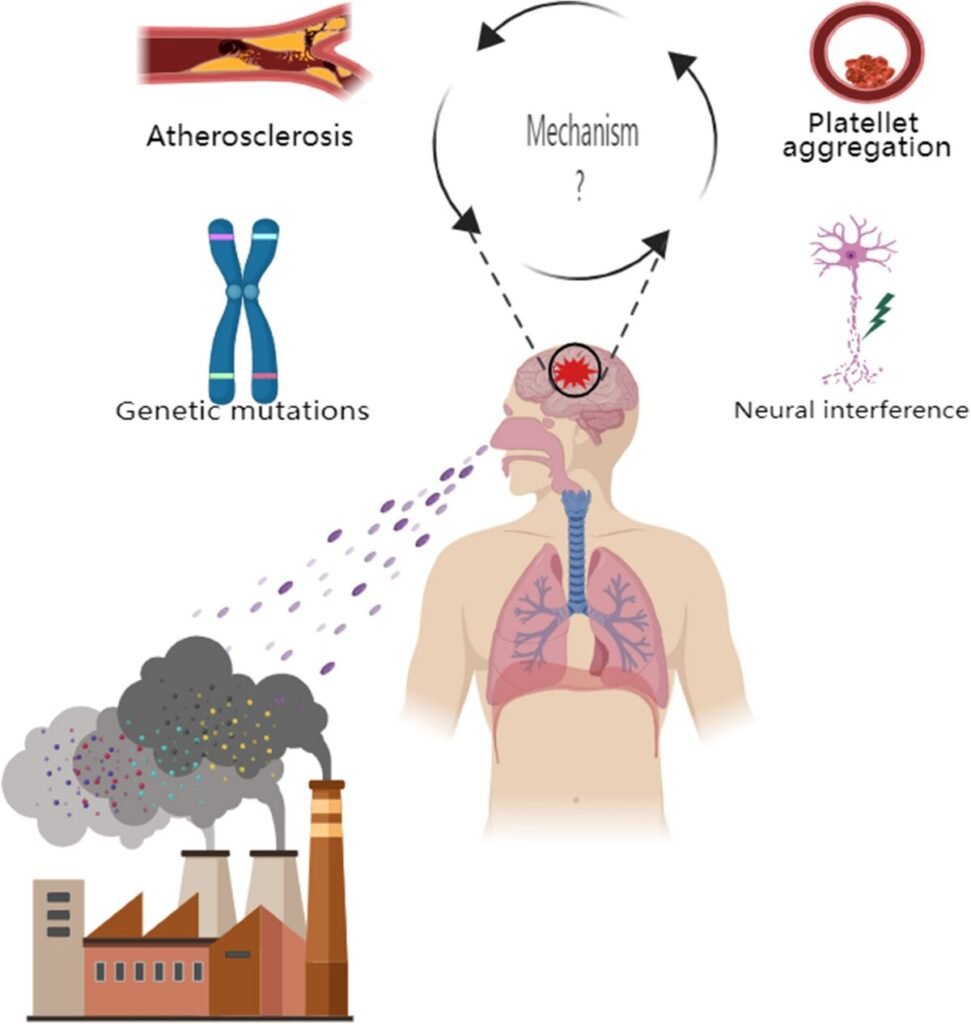
A lot of modern health issues connect back to lifestyle patterns people barely notice developing. Sitting longer. Sleeping less. Constant screen exposure. Stress becoming so normal that people stop recognizing its physical effects entirely.
Preventive care exists partly because daily routines now create health risks gradually instead of dramatically. Someone works through lunch every day for years. Another survives mostly on caffeine and convenience food while balancing work and family responsibilities. People adapt to unhealthy routines surprisingly fast until symptoms finally interrupt normal life.
That slow buildup makes prevention more important than reactive treatment alone. Healthcare providers are trying to identify patterns earlier because waiting too long often limits available options later. High cholesterol caught early looks very different from heart disease discovered after years without monitoring. None of this sounds especially exciting, honestly. But that is exactly the point. Preventive care works quietly most of the time.
Patients Want Healthcare That Feels Personal

Healthcare systems have changed a lot over the last decade. Technology improved access in many ways, but patients also became frustrated with rushed appointments and providers who barely seem familiar with their history before entering the room.
People increasingly want healthcare that feels more personal again. They want providers who remember ongoing concerns, ask follow-up questions, and notice changes over time instead of focusing only on immediate symptoms. That relationship matters more in preventive care because many conversations happen before a major illness appears. Patients discuss stress, family history, sleep patterns, exercise habits, and emotional health long before emergency treatment becomes necessary.
Those discussions require trust. Patients usually do not open up honestly when appointments feel hurried or overly clinical. Preventive care depends heavily on communication, which probably explains why relationship-based healthcare models continue growing.
Mental Health Became Part of Preventive Care Too
Mental health conversations shifted significantly over the last few years. People talk more openly now about anxiety, burnout, depression, and emotional exhaustion, although many still struggle privately longer than they admit publicly.
Preventive care increasingly includes mental health because emotional stress affects physical health constantly. Sleep disruption, blood pressure changes, immune system problems, and digestive issues. The body absorbs stress even when people try to pretend everything feels manageable.
Healthcare providers are paying closer attention to this connection now. Instead of treating mental and physical health completely separately, many preventive care approaches look at overall lifestyle patterns together.
That shift matters because patients often recognize physical symptoms before emotional ones. Someone schedules an appointment for headaches or fatigue, then realizes chronic stress has been affecting their health more broadly for months or years. The body usually notices overload before the brain fully admits it.
Early Detection Reduces Bigger Problems Later
One reason preventive care matters financially is that untreated health problems become more expensive and complicated over time. Emergency treatments, hospital stays, surgeries, and long-term medications usually cost far more than regular screenings and early intervention. Patients understand this intellectually already. Still, many delay appointments because life feels too busy or because nothing seems urgently wrong yet. That delay happens constantly.
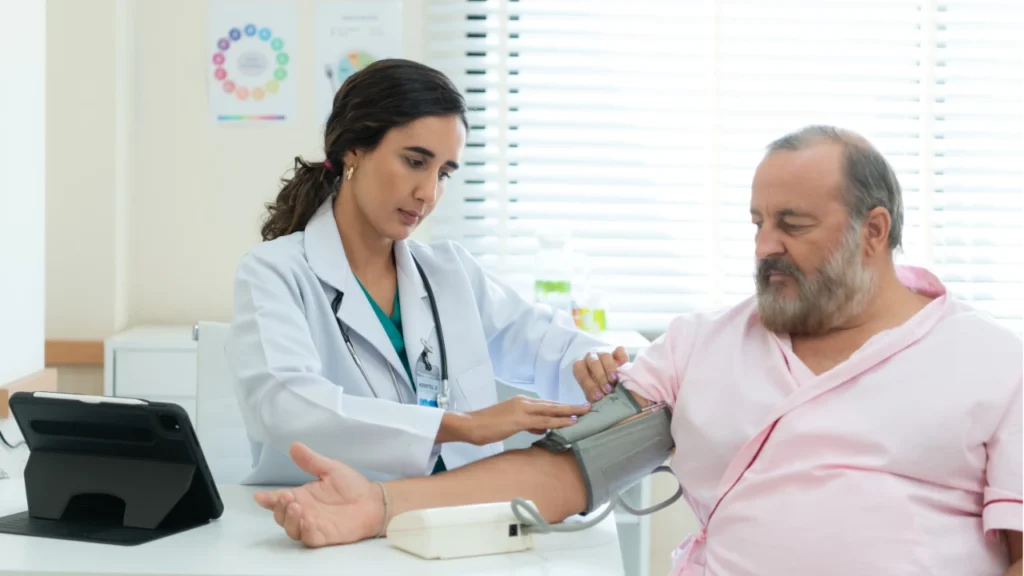
Preventive healthcare tries to reduce those gaps through regular screenings, annual exams, vaccinations, blood pressure monitoring, and routine lab work. The goal is not perfection. It is identifying problems before they quietly grow into larger medical situations affecting everyday life significantly.
Healthcare systems are shifting toward prevention partly because reactive care alone overwhelms providers and patients. Chronic illness rates continue climbing, while healthcare access remains uneven in many communities. Prevention helps reduce pressure long-term, even though results develop gradually instead of immediately.
Technology Changed Preventive Care
Technology complicated healthcare in some ways, but it also improved preventive care access. Patients can monitor heart rates, sleep patterns, activity levels, and medication reminders directly through devices they already carry daily.
Telehealth expanded preventive care too. Patients now discuss smaller concerns earlier instead of waiting months until symptoms worsen enough to justify in-person appointments.
That flexibility helps people maintain regular healthcare contact even during busy work schedules.
Still, technology alone does not solve healthcare problems. Information overload creates confusion sometimes. People self-diagnose online constantly and often assume worst-case scenarios after reading random symptom lists at midnight.
Preventive care works best when technology supports actual healthcare relationships instead of replacing them entirely. Patients still need trusted providers helping interpret information realistically and consistently over time.
Prevention Usually Feels Unremarkable
Preventive care rarely creates dramatic moments, which is probably why people keep pushing it aside. Nobody celebrates normal cholesterol numbers or posts excited updates after yearly checkups. Prevention feels quiet because its entire purpose is stopping larger health problems before they happen at all.
Still, modern healthcare keeps moving toward prevention because waiting for symptoms alone no longer works very well. People are living under more stress, sleeping less, and carrying unhealthy routines longer than they realize. Most serious health conditions develop slowly in the background through habits and delayed attention. By the time the body forces someone to notice, the problem has often been building quietly for years already.

