


There are some places you visit because they look beautiful in photos. And then there are places you visit because they have been living somewhere in your imagination for years.
Egypt is one of those places.
Maybe you have pictured the Pyramids of Giza since childhood. Maybe you have dreamed of seeing the Nile at sunset, walking through ancient temples, or standing in front of statues that have watched thousands of years pass by. Whatever brought Egypt onto your travel list, your first trip there can feel exciting, emotional, and, honestly, a little overwhelming.
That is completely normal.
Egypt is big in every sense. Big history. Big cities. Big landscapes. Big moments. It is the kind of destination that asks you to pay attention, but it also rewards you in ways you may not expect. The more prepared you are before you go, the easier it becomes to relax into the experience once you arrive.
So, what should you know before your first trip to Egypt? Let’s walk through it.
Egypt Is More Than the Pyramids
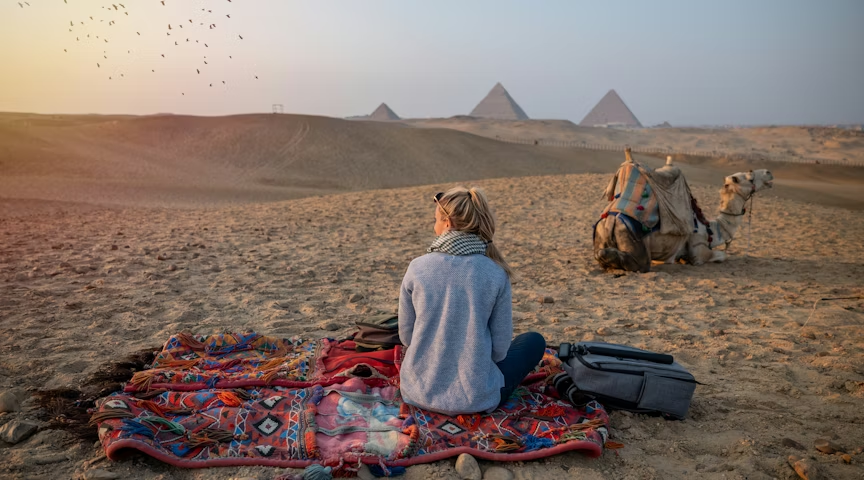
The Pyramids of Giza are usually the first image that comes to mind when people think of Egypt. And yes, they are every bit as powerful as you hope they will be. There is something strange and unforgettable about seeing them in real life after years of seeing them in books, movies, and travel photos.
But Egypt has much more than one famous view.
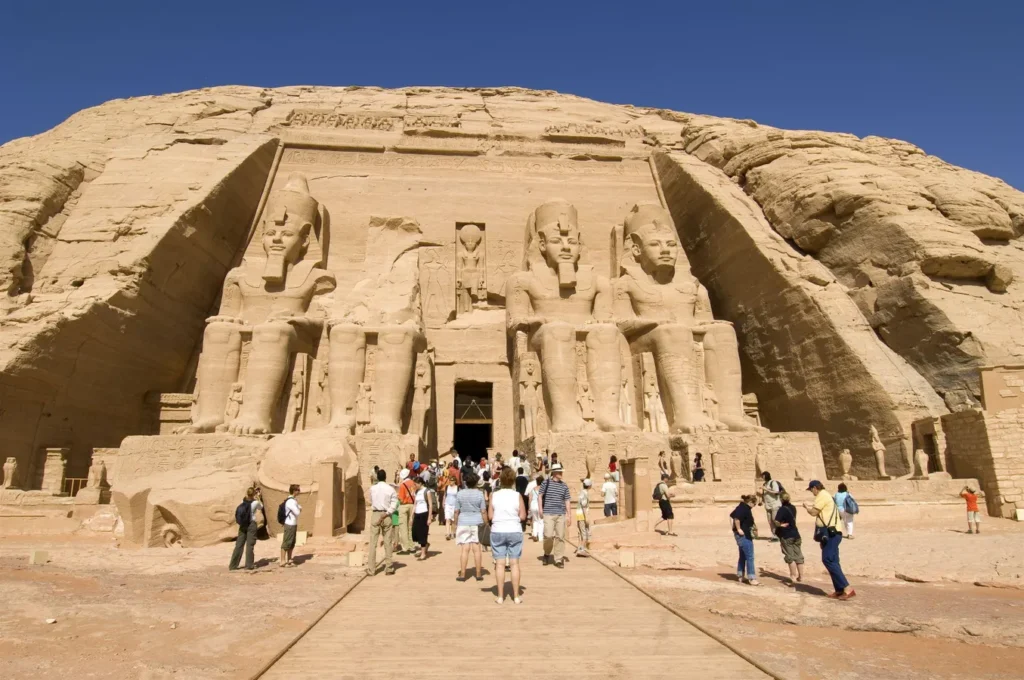
Cairo alone could fill several days. It is layered with museums, mosques, markets, old neighborhoods, river views, and modern city life all moving at once. Then there is Luxor, where temples and tombs make the ancient world feel almost close enough to touch. Aswan brings a softer rhythm, with palm trees, Nubian culture, and quiet stretches of the Nile. Abu Simbel, far to the south, feels like something carved from both stone and imagination.
For travelers who want to experience the country beyond a single landmark, choosing to tour Egypt for 14 days can offer enough time to move from Cairo’s energy to Luxor’s ancient tombs, Aswan’s gentle beauty, and the quiet wonder of Abu Simbel without feeling like every moment is rushed.
That last part matters. Egypt is not a place you want to race through if you can help it.
Give Yourself Enough Time to Feel the Country
A first trip to Egypt can quickly turn into a checklist. Pyramids, museum, temple, tomb, market, cruise, photo, next stop. It is easy to understand why. There is so much to see, and most travelers want to make the most of every day.
But here is the thing. Egypt is not only about seeing places. It is about feeling them.
You need time to stand still inside a temple courtyard. Time to look closely at carvings on a wall. Time to sit by the Nile and notice how the light changes. Time to let your mind catch up with where you are.
Can you really absorb thousands of years of history if you are constantly watching the clock?
Some travel days in Egypt involve long drives, early flights, or packed schedules. That is just part of moving through a country with so many major sites spread across different regions. But building in breathing room can make the whole journey feel better. Not slower in a boring way. Slower in a meaningful way.
The best memories are not always the biggest ones. Sometimes they happen between the famous stops.
Expect History to Feel More Personal Than You Imagined
Before you go to Egypt, you already know it is historic. Everyone knows that. But knowing something is ancient and standing inside it are two very different things.
There is a moment that often happens to first-time visitors. You are walking through a temple or tomb, listening to a guide explain a carving, a ritual, or the story of a ruler who lived thousands of years ago. And suddenly, it stops feeling like a chapter from a textbook.
It feels human.
You see hands, faces, symbols, offerings, prayers, family stories, fears, hopes, and beliefs carved into stone. You start to realize that ancient Egypt was not just a civilization of monuments. It was made up of people trying to understand life, death, power, beauty, and the divine.
That shift can be surprisingly emotional.
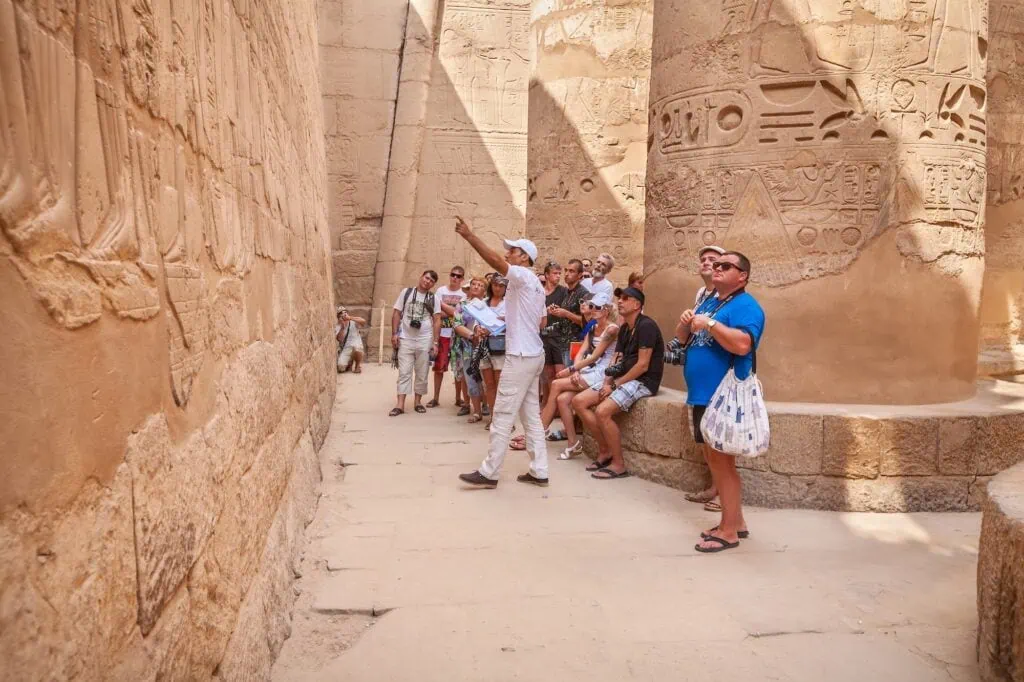
A good guide or Egyptologist can make a huge difference here. Without context, many sites are impressive but hard to fully understand. With the right explanation, details begin to connect. A small symbol becomes meaningful. A statue becomes more than a statue. A tomb becomes a story.
That is when Egypt starts to open up.
Cairo Can Feel Intense, But It Has Its Own Magic
Let’s be honest. Cairo can be a lot at first.
The traffic is busy. The streets are loud. The city feels like it is always moving. Cars, people, vendors, horns, conversations, calls to prayer, construction, history, daily life, all happening at once.
If you arrive tired from a long flight, Cairo may feel overwhelming on day one. Give yourself a little grace. You do not have to understand the city immediately.
Because once you settle in, Cairo has a way of pulling you closer.
There are quiet corners inside old mosques. There are colorful stalls in Khan el-Khalili. There are rooftop views where the city seems to stretch endlessly beneath the evening sky. There are museums filled with objects that make you stop and stare. There are neighborhoods where the past and present sit side by side in ways that feel messy, beautiful, and alive.
The trick is not to expect Cairo to be polished or calm. It is not that kind of city. Instead, let it be what it is. Energetic. Layered. Unpredictable. Full of character.
And if you have a guide helping you move through it, even better. The city becomes easier to read when someone can explain what you are seeing, where you are going, and how the pieces fit together.
Dress for Comfort and Respect
Packing for Egypt is not complicated, but it does help to think carefully about what you will actually be doing.
You will likely walk a lot. You may be outside in strong sun. You may visit mosques or traditional neighborhoods. You may move from hot afternoons to cooler mornings or evenings, depending on the season.
Comfortable clothing matters.
Lightweight, breathable fabrics are your friend. Loose pants, long skirts, linen shirts, cotton tops, and layers all work well. Comfortable walking shoes are essential, especially at archaeological sites where paths can be uneven, dusty, or rocky.
Modesty is also worth keeping in mind. Egypt welcomes visitors from all over the world, but it is still a culturally conservative country in many settings. You do not need to dress formally, but clothing that covers shoulders and knees will usually help you feel more comfortable, especially in mosques, markets, and local neighborhoods.
A scarf can be useful too. It can cover your shoulders, protect you from the sun, or help when visiting religious sites. Add sunglasses, sunscreen, and a hat, and you will thank yourself later.
This is not about stressing over every outfit. It is just about making choices that help you move through the trip with ease.
Be Ready for Early Starts
If you are not a morning person, Egypt may gently challenge you.
Some of the best travel moments begin early. Very early.
There are practical reasons for this. Temperatures are cooler in the morning, especially if you are traveling during warmer months. Major sites are often less crowded earlier in the day. And certain places, like Abu Simbel, are especially powerful around sunrise.
But early starts are not only practical. They can be beautiful.
There is something unforgettable about walking through an ancient site while the air is still cool and the light is just beginning to soften the stone. The world feels quieter. The crowds have not fully arrived. You can hear your own footsteps.
It may feel hard when the alarm goes off, but once you are standing there, watching the sun touch a temple wall or seeing the Nile wake up in pale morning light, you understand why it was worth it.
Bring patience. Bring water. Maybe bring coffee if you need it.
A Good Guide Can Change the Whole Trip
Egypt is one of those places where context changes everything.
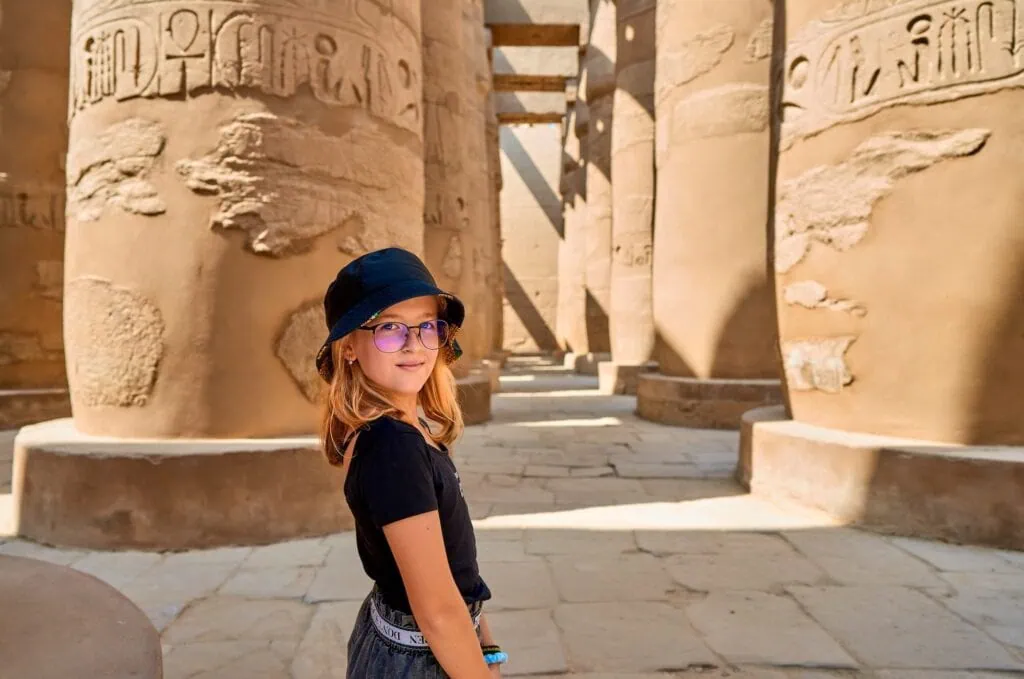
You can walk into a temple and be impressed by its size. Anyone would be. But when someone explains who built it, why it was built, what the carvings mean, how the space was used, and what stories still live in the stone, the experience becomes much richer.
A good guide does more than share facts. They help you see.
They connect names, timelines, symbols, gods, queens, kings, rituals, and daily life in a way that makes the ancient world feel less distant. They also help with practical things, like navigating busy areas, understanding local customs, avoiding confusion, and making the day flow more smoothly.
For a first-time visitor, that can be a relief.
You do not have to become an expert before you arrive. You just need enough guidance to help the place make sense as you move through it.
And honestly, when you are standing in front of something built thousands of years ago, it feels good to have someone there who can say, “Here is why this matters.”
The Nile Is Part of the Story
The Nile is not just a pretty background. It is one of the main characters in Egypt’s story.
For thousands of years, the river shaped life here. It gave water, food, movement, trade, rhythm, and meaning. Cities grew around it. Temples rose near it. Daily life depended on it.
When you spend time along the Nile, especially outside Cairo, Egypt begins to feel different. The pace softens. You see palm trees, small boats, villages, fields, and birds moving over the water. The sunset turns the river gold. The air feels calmer.
A Nile cruise or even a quiet evening by the river can help balance the intensity of busy sightseeing days. After walking through temples and tombs, sitting on deck and watching the landscape pass by gives your mind time to settle.
That is part of the experience too.
Travel is not only about what you go out to see. Sometimes it is also about what you allow yourself to absorb when you finally sit still.
Prepare for Heat, Walking, and Long Days
Egypt can be physically demanding, even when the trip is well planned.
Many ancient sites are open-air. Shade may be limited. The ground can be uneven. Some days involve early starts, long transfers, and several hours of walking or standing. None of this should scare you away, but it is worth knowing before you arrive.
Good shoes are non-negotiable. So is hydration.
Carry water. Use sunscreen. Wear a hat. Take breaks when you need them. Do not try to prove anything by pushing through heat or fatigue. You will enjoy the trip more if you pace yourself.
It also helps to keep snacks on hand, especially on long travel days. A small thing like a granola bar, nuts, or fruit can make a big difference when lunch is later than expected.
And remember, rest is not wasted time. It is what helps you stay present for the next experience.
Learn a Few Local Customs Before You Go
You do not need to know everything about Egyptian culture before your first trip, but learning a few basics can make your experience smoother and more respectful.
A friendly greeting goes a long way. Patience helps too, especially in markets or busy public places. Bargaining is common in many shopping areas, but it is best done with a sense of humor and respect. Think of it as part of the interaction, not a battle.
Tipping is also common in Egypt, often referred to as baksheesh. It can feel unfamiliar if you are not used to it, so it helps to ask your guide or travel company for clear advice before and during the trip.
When taking photos, be thoughtful. Always ask before photographing people, especially in local communities or markets. In some religious or historic sites, photography rules may vary, so pay attention to signs and guidance.
Small acts of respect matter. They help you connect with the place in a better way.
Leave Room for Wonder
It is good to plan. Really, it is. Egypt is not the kind of destination where you want to leave every detail to chance, especially on a first visit.
But do not plan so tightly that you forget to be surprised.
Leave room for the little moments. The sound of the call to prayer floating across Cairo. The glow of the desert at the end of the day. The first glimpse of a temple through the window of a bus. The quiet feeling that comes when you stand somewhere older than anything you have ever known.
Those moments may not be the ones you expected. They may not even be the ones you take photos of. But they often stay with you.
Isn’t that why we travel in the first place?
Egypt has a way of reminding you that the world is older, wider, and more mysterious than your daily routine allows you to remember. It pulls you out of ordinary time for a while.
Let it.
Before Your First Egypt Trip
Your first trip to Egypt may feel big before you go. That is fair. There is a lot to think about, from what to pack and where to visit to how to handle the pace, the heat, and the cultural differences.
But once you are there, the experience becomes less about managing details and more about being present.
You will stand in front of places you have seen in pictures your whole life. You will hear stories that stretch back thousands of years. You will move from city noise to river calm, from crowded markets to silent tombs, from golden desert light to cool stone corridors.
And somewhere along the way, Egypt may stop feeling like a destination and start feeling like a memory you are already grateful to have.
Go prepared. Stay curious. Give yourself time.
Your dream trip does not have to be perfect to be unforgettable.

